


It is estimated that 290,000 adults in Minnesota need substance use disorder treatment according to the Minnesota Department of Human Services (DHS).
“What we find is that people delay care because they apply that stigma to themselves that they’re not worthy of care,” said Dr. Lauren Graber, an addiction and family medicine physician at Hennepin County Healthcare.
Graber said her long title can be summed up in two words: addiction doctor. “We are the folks who are there to help integrate the neuroscience, the mental health, the physical health and substances to take care of that person and support them on that journey to be more healthy and to make change.”
Graber added that stigma is a big part of the problem, but so too is the public’s understanding of what a substance use disorder is. “SUD is a real medical condition that causes changes in your brain like so many other conditions like Parkinson’s, like diabetes, like kidney disease.”
As with those diseases, Graber said substance abuse disorder also has effective treatments. The biggest hurdle is getting people past the shame.
“Calling it by its name, a substance use disorder and getting away from the stigma has been a big effort in our work,” Graber explained. “The biggest reason people don’t get evidence-based medicines and different treatments is because they don’t know they exist and they’re afraid of coming in for care.”
In Minnesota, the most common substance use disorders involve nicotine and alcohol. Graber said medications can help people control cravings. Same for those living with an opioid use disorder where medicine can not only curb cravings but prevent overdose. “Medications like buprenorphine and methadone are incredibly safe and very available for people who need additional support.”
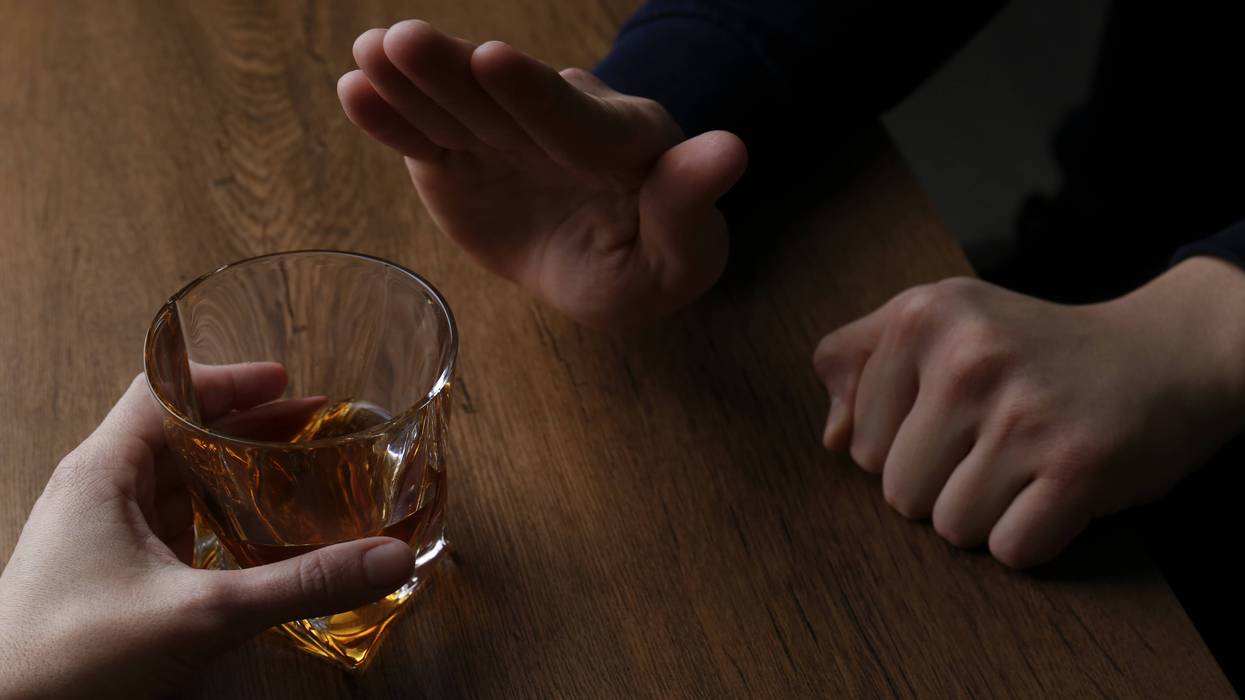
As Minnesotans gather for the holiday season, knowing how to help a struggling loved one can be hard. “Up here in the Midwest, drinking is so much a part of our culture,” Graber said. “How to recognize when someone is struggling is tricky.”
Graber said offering non-alcoholic options is a great start. Ask how you can support them and simply leaning in with care is always the right answer.
“Tapping into their humanness and reminding them they are loved even when they are struggling. There is nothing more bold than that.”
If you are struggling with addiction and or mental health challenges and live in Washington County, support is available through the Washington County Crisis Line at 651-275-7400.
If you are outside of Washington County, you can reach the Minnesota Warmline through 1-855-927-6546 (1-855-WARMLINE), or text "Support" to 85511 to connect with trained peer specialists.