

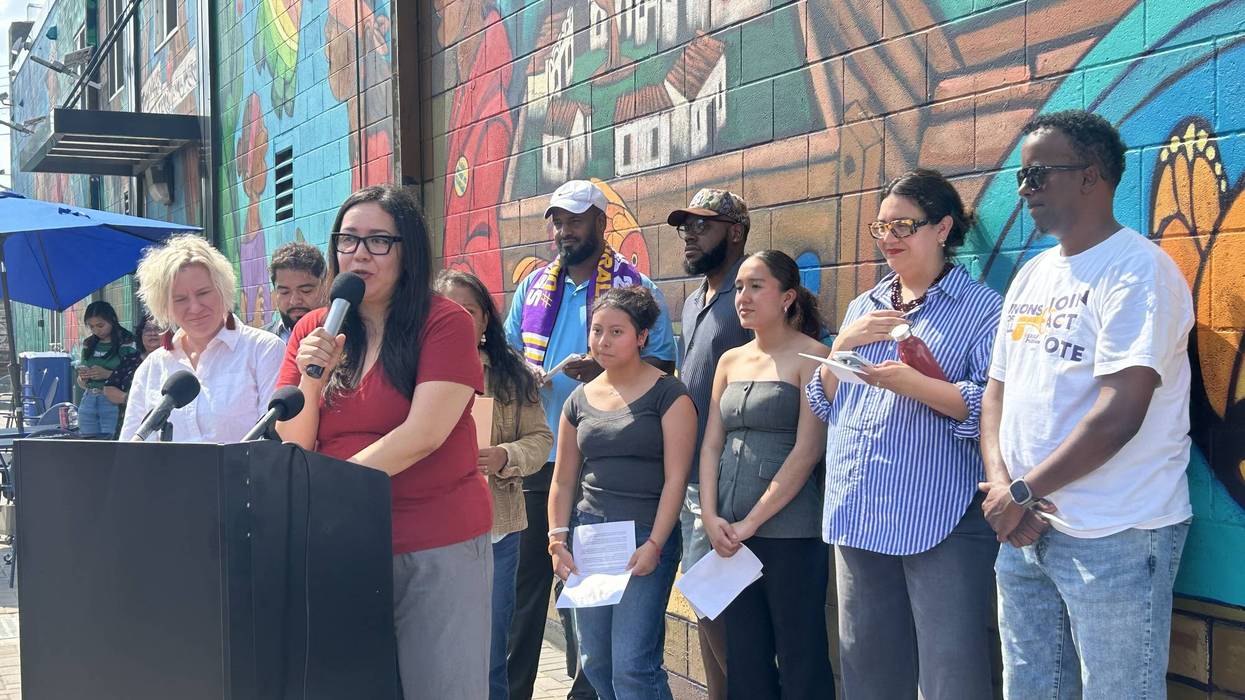
Twin Cities immigrant community reacting to a landmark Supreme Court ruling on birthright citizenship.
Local advocates, labor leaders, and first generation families expressing profound relief following the U.S. Supreme Court's 6-3 decision striking down a 2025 executive order by President Donald Trump that sought to eliminate birthright citizenship for children of undocumented immigrants.
Unidos Minnesota executive director Emilia Gonzalez described the ruling as a vital affirmation of the 14th Amendment.
"A declaration that every child born on this soil deserves equal protection under the law, that promise survived today," Gonzalez said. "But it never should have been up for debate."
Community organizers say they will now shift their efforts toward expansive voter registration drives and mobilization around permanent federal immigration reform.
18-year-old Unidos member Emily Rodriguez says the fear of the outcome of the decision had a major impact on mixed-status families like hers, all across Minnesota.
"This is the only home we have ever known," she says. "Many of us have never lived in our parent's home countries, and to suddenly question whether we belong here would change everything."
Hamline University Professor of Political Science and Legal Studies, David Schultz, told WCCO Radio's Jordana Green that the justices in this case looked at the language of the 14th Amendment to establish their ruling.
"The promise of what that said, and say that yes, the promise that we extended to former freed slaves also applies to individuals who were born in the United States, even if their parents are not necessarily legal residents in the United States," Schultz explains.
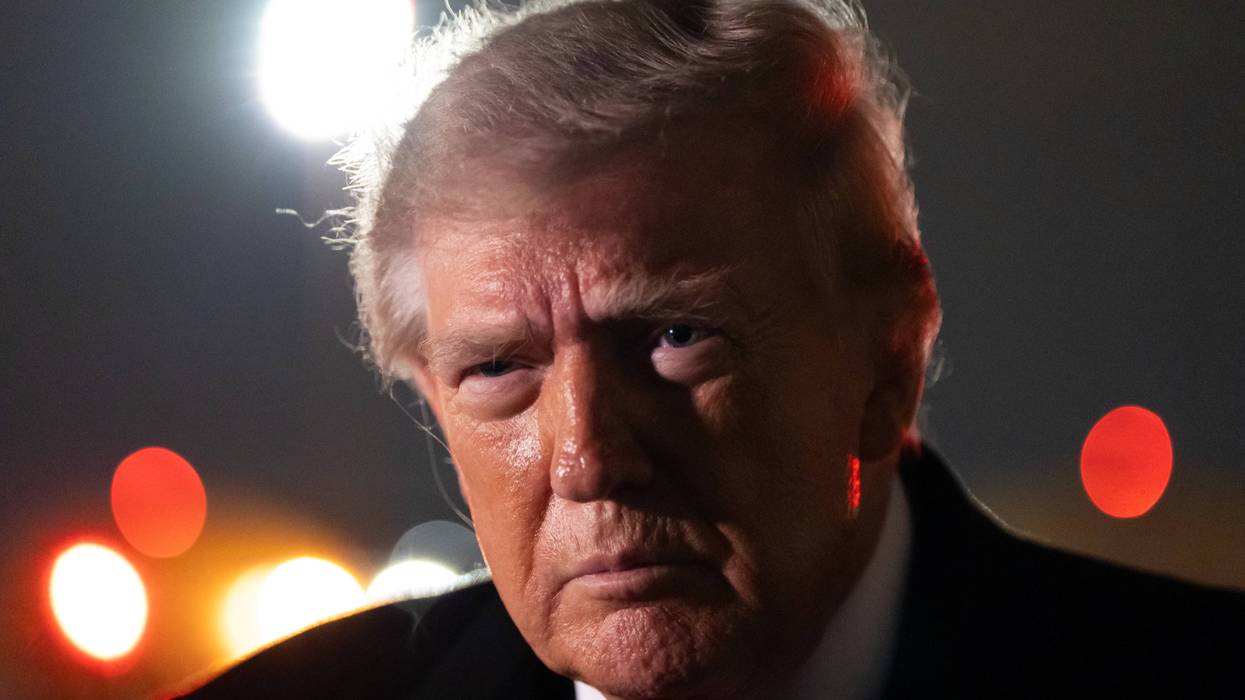
Mr. Trump's executive order sought to declare any children born to parents who are in the United States illegally, or temporarily, are not American citizens.
Schultz says it is significant ruling by the court to uphold the 14th Amendment which was established in 1868, nearly 160 years of precedent. Schultz also says this is a ruling that is very likely to change in the future.
"The court rejected claims to say that, well, you have to be legal in the United States for it to apply," he says. "And it also, by the fact that it's rendered on constitutional grounds, the only way you could overturn this opinion is either by adopting a constitutional amendment, which is nearly impossible anymore. Pr getting the court to change its mind, which I don't think it's going to."