



HARRISBURG, Pa. — State health officials are urging Pennsylvanians to exercise extra caution when preparing fresh produce as cases of a severe diarrheal illness rise across the Commonwealth.
According to the Centers for Disease Control and Prevention (CDC), 843 cases of cyclosporiasis have been reported nationwide across 31 states. The Pennsylvania Department of Health has confirmed 28 cases of the infection statewide.
Understanding the risk
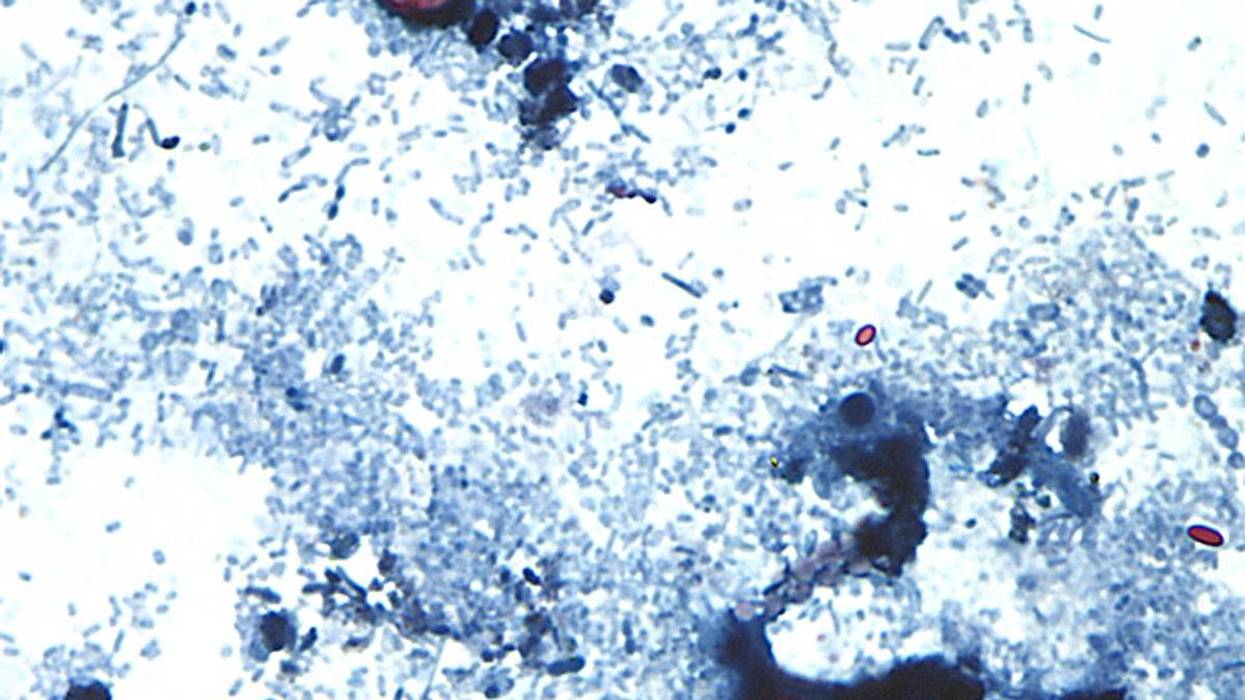
Cyclosporiasis is caused by Cyclospora, a microscopic, single-celled parasite that typically spreads when people ingest food or water contaminated with feces.
The infection triggers weeks of watery, sometimes explosive diarrhea, along with other severe gastrointestinal symptoms like stomach cramps, bloating, nausea, fatigue, and weight loss.
Health officials urge vigilance
While no localized outbreaks have been identified in northeastern Pennsylvania, health officials stress that residents across the entire state should remain vigilant. Because contaminated produce is distributed widely through commercial food chains, the risk is not isolated to any single region.
To reduce the risk of infection, health officials recommend:
- Thoroughly washing all fresh fruits and vegetables under running water before eating, cutting, or cooking.
- Scrubbing firm produce, such as melons and cucumbers, with a clean brush.
- Keeping fresh produce refrigerated to prevent the spread of bacteria and parasites.