



Download the Audacy App and listen to WTIC:
https://go.audacy.com/wtic/download
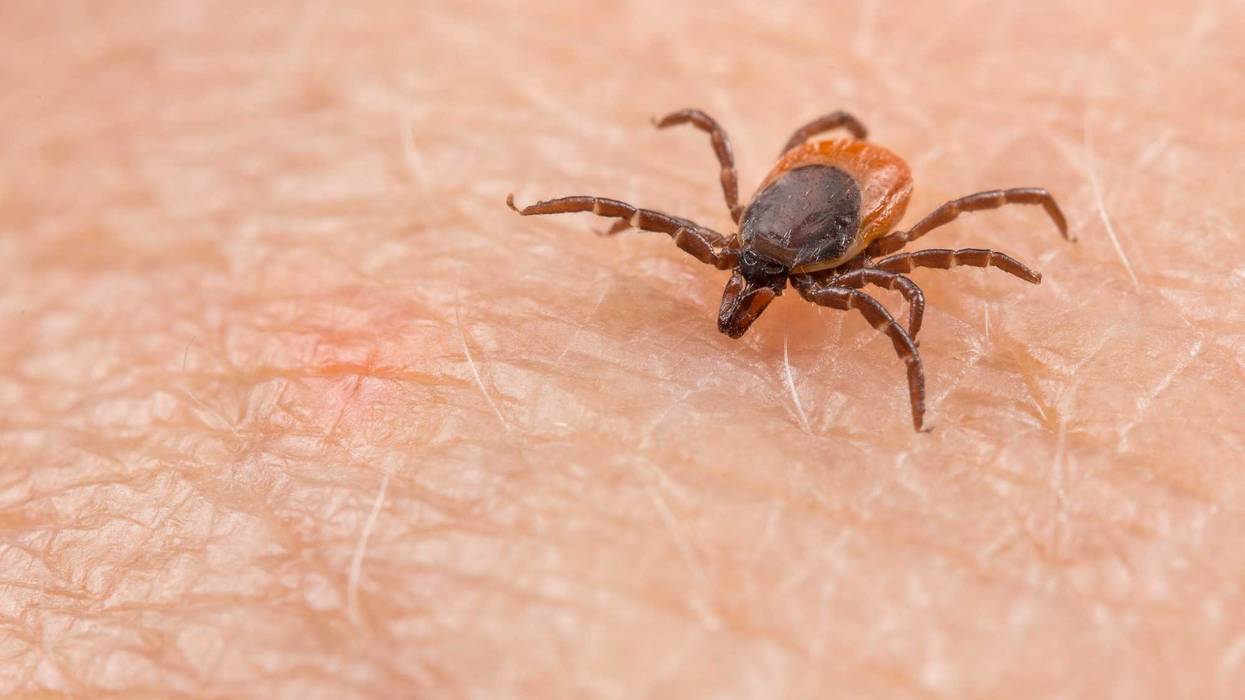
NEW HAVEN, Conn. (WTIC Radio) - The Connecticut Agricultural Experiment Station says they're receiving more live specimens of invasive ticks that affix themselves to human travelers returning from international destinations.
The invasive ticks are capable of establishing populations and rapid range expansion due to an increasingly hospital weather environment, including a warming climate.
Both human travel and the expansion of the legal and illegal plant and animal trades, according to CAES, are important contributing factors for the potential importation.
CAES reports Connecticut residents who have reported the invasive ticks are coming from Europe, Africa, and South and Central America.
In the last few years, several other invasive ticks have established populations in Connecticut, including the lone star tick, the Gulf Coast tick, and the Asian long-horned tick.
But, "these (reported) ticks have been intercepted and there is no immediate risk from these (four) ticks because they have been intercepted...there is no risk for these ticks to establish new populations," says Dr. Goudarz Molaei, with the CAES.
He does caution, however, that the introduction of invasive ticks means there is a new risk of increased existing and emergent tick-borne illnesses for both people and animals.


