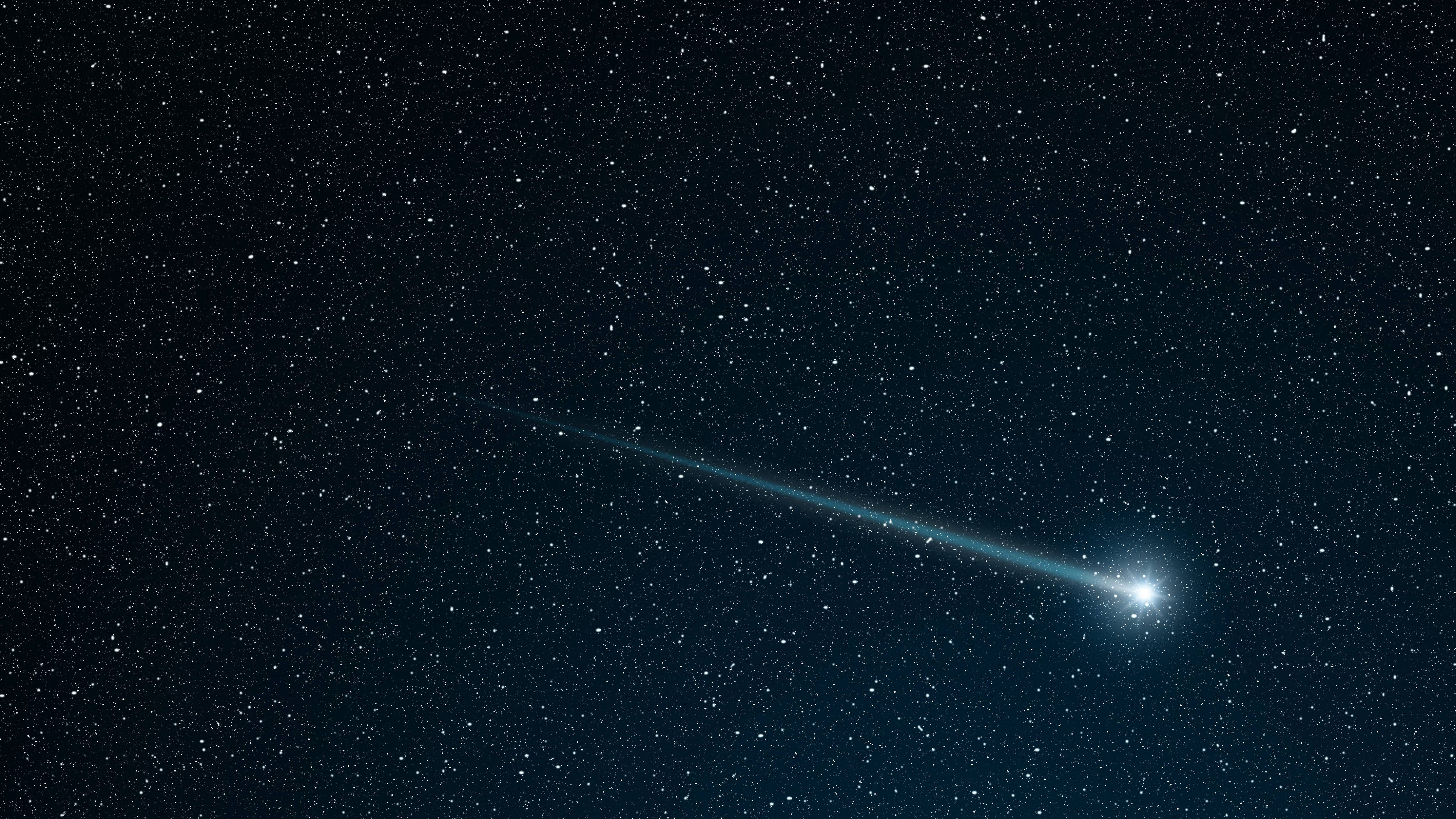


METRO DETROIT (WWJ) - Shooting stars, fireballs and more are all set to dazzle the nighttime skies over Metro Detroit as the yearly Geminid meteor shower reaches its highest intensity overnight Tuesday, astronomers say.
According to Earthsky.org, the 2022 Geminid meteor shower has been gaining intensity since it began in late November and will reach its peak during the evening hours on Tuesday, Dec. 13 and into the morning of Dec. 14.
After reaching its peak, the meteor shower will begin to wane over the next 10 days until ending on Dec. 24.
Experts say an asteroid — known as 3200 Phaethon — is the reason behind the Geminid meteor shower, which is unique as most meteor showers are caused by comets.
"The Geminids, deriving from an asteroid rather than a comet, must include rock-sized pieces, which as they burn up in the atmosphere are often bright and do not leave trails," Astronomer Guy Ottewell said via Earthsky.
The phenomena was first discovered in the 19th century, when it was considered a weak viewing experience among experts, but over the years it has become the strongest annual meteor shower viewable from Earth.
According to NASA, the Geminids reach peak rates of 120 meteors per hour under optimal viewing conditions.
This year's Geminids — which will be visible from Metro Detroit and most of the world — may be hard to spot however due to a bright moon and mostly cloudy skies expected in Southeast Michigan overnight. But that still doesn't mean they can't be seen in patches of clear sky as the brightest meteors will be visible as they break through the moonlight.
The moon is also due to set right around the best time for viewing.
"The Geminid meteor shower is best around 2 a.m. because its radiant point – the point in our sky from which the meteors seem to radiate – is highest in the sky at that time," Earthsky.org added. "As a general rule, the higher the constellation Gemini the Twins climbs into your sky, the more Geminid meteors you're likely to see."
NASA suggests the following tips for the best viewing experience:
• If it's not cloudy, get away from bright lights, lie on your back, and look up. Remember to let your eyes get adjusted to the dark – you'll see more meteors that way. Keep in mind, this adjustment can take approximately 30 minutes. Don't look at your cell phone screen, as it will ruin your night vision!
• Meteors can generally be seen all over the sky. Avoid watching the radiant because meteors close to it have very short trails and are easily missed. When you see a meteor, try to trace it backwards. If you end up in the constellation Gemini, there's a good chance you've seen a Geminid.
• Observing in a city with lots of light pollution will make it difficult to see Geminids. You may only see a handful during the night in that case.
If conditions continue to blot out skies in the listening area, you can still see the shower through NASA's live stream of the shower's peak Dec. 13-14 via a meteor camera at NASA's Marshall Space Flight Center in Huntsville, Alabama (weather permitting).
The live stream will begin at 8 p.m. CST on the NASA Meteor Watch Facebook page.