



We depend on electricity to heat our homes, the internet to access our money, phones to communicate and delivery networks to keep grocery stores and pharmacies supplied.
Most days, those systems work so reliably that we barely think about them.
But what happens when they don't?
That's the question behind “Are You Ready, Detroit?”, a WWJ Newsradio 950 special reporting series examining how families across southeast Michigan can prepare for disruptions to everyday life.
The message isn't that a major disaster is imminent. It's that severe weather, infrastructure failures, cyberattacks and other emergencies can interrupt services, sometimes for days. And when they do, emergency responders and local authorities may not be able to reach everyone immediately.
Michigan's emergency preparedness program, MI Ready, encourages residents to understand local risks, make a household plan and maintain emergency supplies. The state recommends having at least three days of food, water and essential supplies.
The WWJ series looks at what that advice means in practical terms.
When the power goes out
Michigan knows about severe weather. Ice storms, high winds and heavy snow can bring down trees and power lines, leaving homes and businesses without electricity.
A prolonged outage can become much more than an inconvenience.
Heating systems may stop working. Water pumps may lose power. Cellphones need charging, grocery stores and gas stations may be affected, and food in refrigerators and freezers can become unsafe.
Emergency management officials encourage residents to have backup lighting, a way to receive emergency information, adequate food and water, and a safe plan for staying warm.
Generators can help, but they must be operated outdoors and away from doors, windows and attached garages because of the risk of deadly carbon monoxide poisoning.
The digital freeze
Another vulnerability is less visible: the technology behind the services we use every day.
Banks, payment terminals, municipal water systems and other critical infrastructure increasingly rely on connected computer networks.
Cyberattacks can target those systems, potentially disrupting services even when the physical infrastructure appears undamaged.
For households, the consequences could be surprisingly ordinary. A credit card transaction might not go through. An ATM could be unavailable. A smart-home device might stop responding when its internet connection disappears.
The lesson is not to abandon technology. It's to avoid relying on a single way of doing things.
Keep important phone numbers on paper. Know how to operate essential equipment manually where possible. Have alternative ways to communicate and access important information.
Food when the kitchen stops working
A well-stocked refrigerator is useful, but it isn't much help if the electricity is off for an extended period.
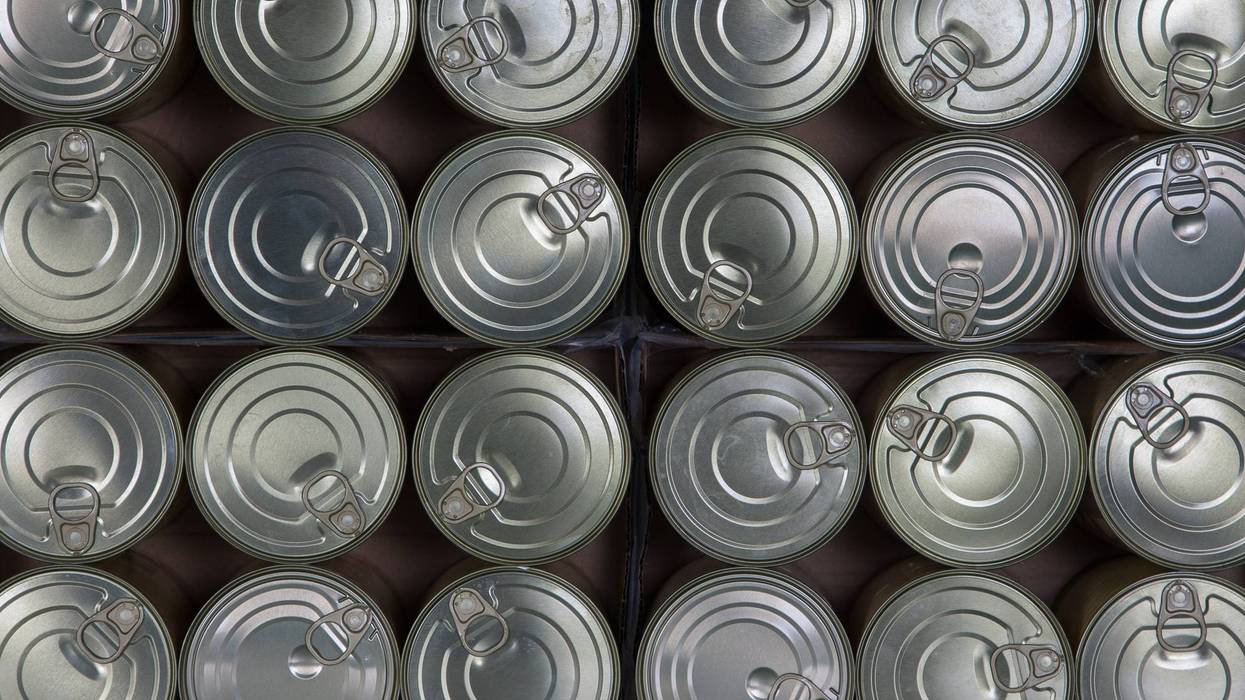
The series examines how families can build an affordable emergency pantry with foods that provide useful nutrition and can be eaten without cooking.
That means thinking beyond canned soup and beans.
Peanut butter, nuts, crackers, canned fish or chicken, dried fruit, applesauce and shelf-stable milk can all play a role. Families should also consider children, older adults, food allergies, special diets and pets.
Food safety matters, too. A closed refrigerator generally keeps food cold for about four hours during a power outage. A full freezer can hold its temperature for approximately 48 hours, provided the door remains closed.
The goal is to build a supply gradually, rotate it and choose foods the family will actually eat.
Cash, documents and financial protection
Most people are accustomed to paying with credit cards, debit cards or their phones. But if electronic payment networks or ATMs stop working, having some physical cash available can be useful.
Michigan's preparedness guidance recommends keeping a small amount of cash in a secure place.
Important paperwork deserves attention, too.
Insurance policies, identification, mortgage and property records, financial information and emergency contacts should be organized and protected. Secure digital copies can be useful, but physical backups matter if computers or online accounts become inaccessible.
Homeowners and renters should also consider keeping photographs or video of their possessions as part of a household inventory.
Preparedness starts with people
Throughout the series, Michigan emergency officials, technical experts, community voices and preparedness-minded families offer practical advice about reducing household vulnerability.
One recurring theme is that preparedness doesn't require an expensive stockpile or a house full of specialist equipment.It starts with knowing what your family needs, understanding the risks in your community and taking manageable steps before an emergency happens.
A few extra items on a regular grocery trip. A first-aid kit. A portable radio. A little emergency cash. Copies of important documents. A conversation with family members and neighbors about how to stay in touch.
No household can prepare for every possible situation. But every household can become better prepared.
As the series asks:
What happens when something we depend on every day doesn't work?
And, more importantly:
Are you ready, Detroit?“
Are You Ready, Detroit?” airs Wednesday, Thursday and Friday on WWJ Newsradio 950 and 97.1 FM HD2.Be informed.
Be prepared.
For more tips, visit: https://www.michigan.gov/miready