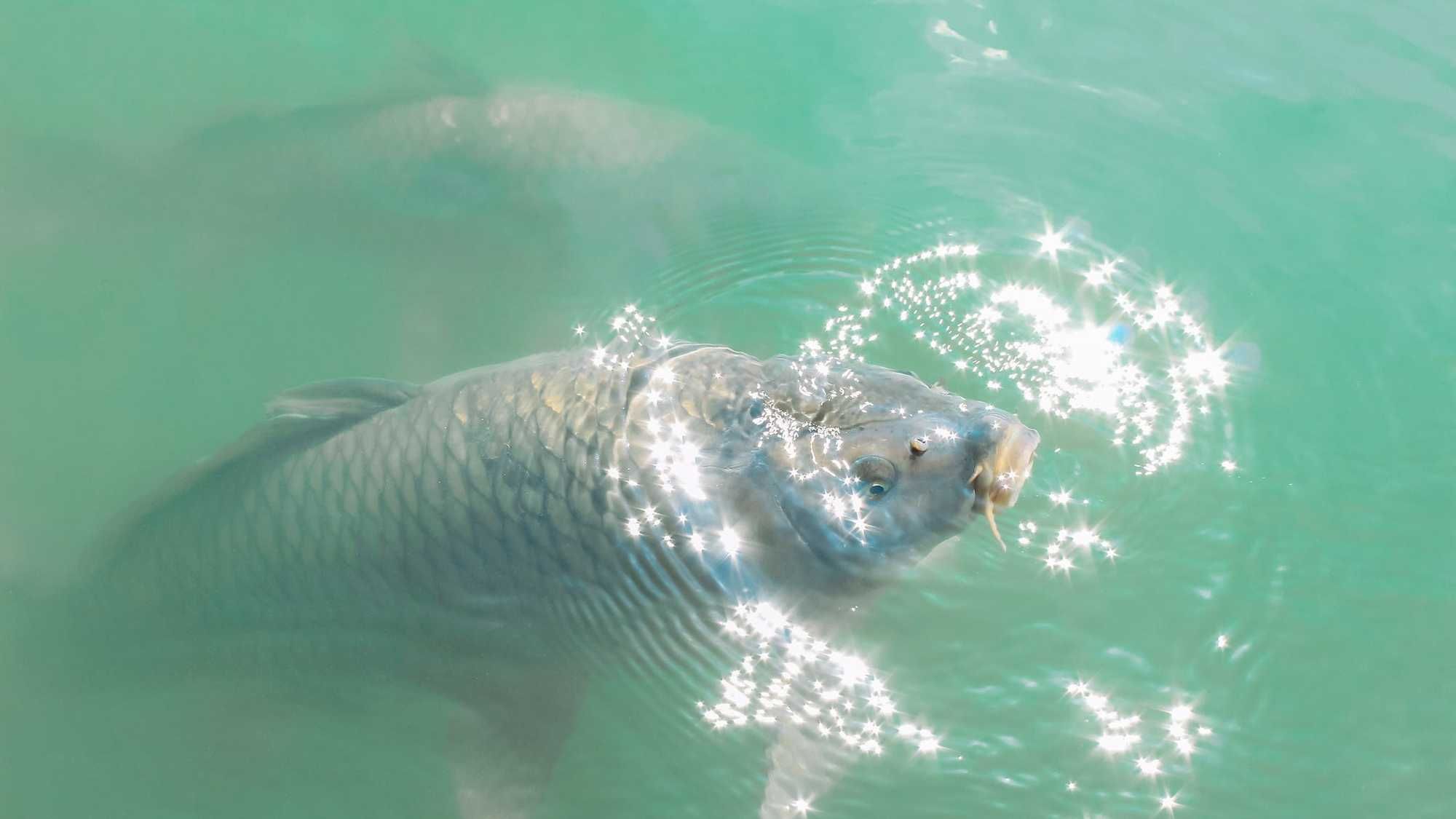


(WWJ) Investigators with the Michigan Department of Resources say hundreds of fish that turned up dead in Lake Orion this summer died of herpes, but there is no danger to the public.
The DNR said Friday it has completed its investigation of the common carp fish kill on Lake Orion, in northeast Oakland County, that occurred in mid-to late July.
With help from the Aquatic Animal Health Laboratory at Michigan State University, it has been determined and confirmed that the deaths were caused by koi herpesvirus (KHV - cyprinid herpesvirus 3), according to a DNR release.
This is not the same type of herpes that infects people.
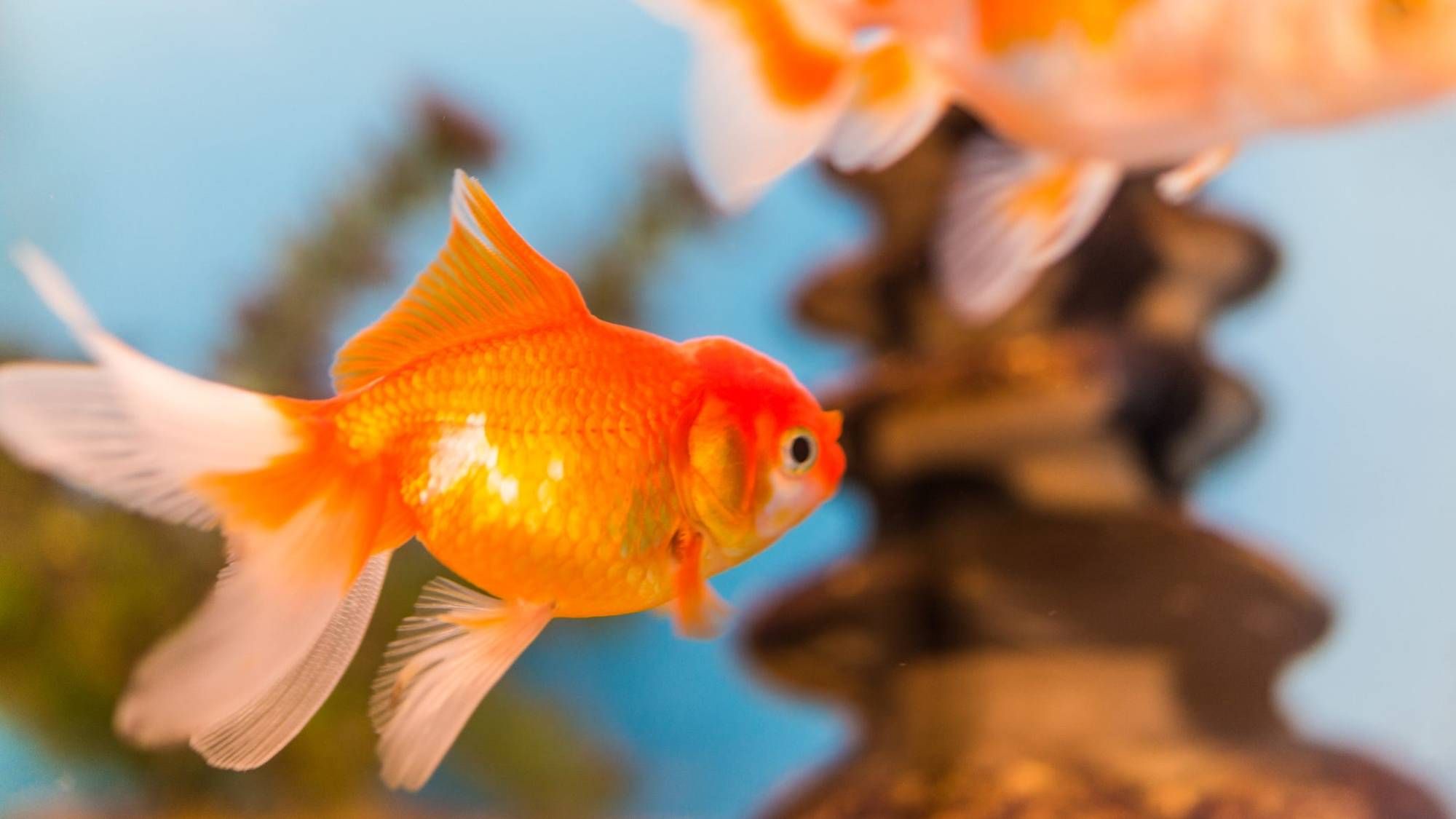
"As the case with most herpesviruses, KHV is very specific on which fish species it will infect and only affects common carp, koi and goldfish," said Gary Whelan, Fisheries Division Research Program manager. "This is only the third detection of this non-native virus in Michigan waters, and it is known to kill large numbers of its host species at times. KHV does not affect any other fish species and has no implications for any other birds, mammals or humans."
The July fish kill was reported by residents using the DNR's Eyes in the Field website. The only species involved was adult common carp, and the number killed was between 300 to 600 mostly adult fish.
According to the National Center for Biotechnology Information, of the more than 100 known herpesviruses, only eight routinely infect humans. The DNR says viruses and bacteria that affect fish typically are not human pathogens due to the differences in body temperatures between fish and humans.
Regardless, it is always strongly recommended that all freshwater fish be fully cooked to ensure they are safe to eat.
For more information on choosing and eating safe fish, visit Michigan.gov/EatSafeFish.