


(WWJ) – As spring begins, there's plenty happening in the night sky above us. That includes Ceres, the very first asteroid ever discovered, at its brightest and best.
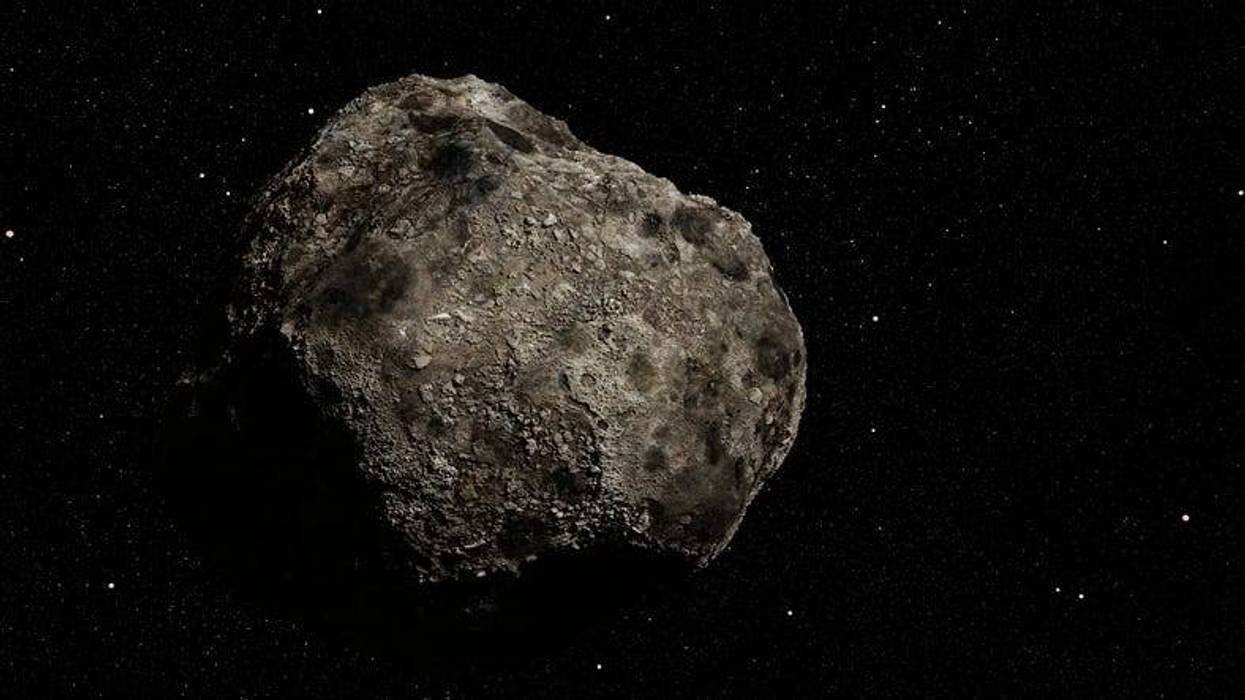
Dwarf planet or asteroid – whatever you want to call it – Ceres is the very first member of the main asteroid belt. And through the end of the month, it is in opposition, meaning it's the brightest it will be all year.
Mike Murray of the Delta College Planetarium in Bay City tells WWJ's Erin Vee on "All Over the Space" that "now is the time" to see the largest object in the asteroid belt.
"It will be rising when the sun sets, so if you wait several hours after sunset, it'll get high enough in the eastern sky," Murray said, noting it's "right off the tail of Leo the Lion."
Murray says you'll need binoculars or a telescope to see it, and its useful to get a finder chart online to help locate it.
"I know, the first reaction is, well if it's that faint, then why would it be so exciting?'" he said.
The answer is simple.
"Because most people have never actually seen an asteroid with their own eyes and you can see it pretty easily in binoculars if you have a finder chart," he said.
"The exciting part comes when you can actually see that for real. This is something that most people only just talk about and now you can see it," Murray said.
The NASA spacecraft Dawn visited Ceres in 2015, making it the first dwarf planet to receive a visit from a spacecraft, according to NASA.
"Called an asteroid for many years, Ceres is so much bigger and so different from its rocky neighbors that scientists classified it as a dwarf planet in 2006. Even though Ceres comprises 25% of the asteroid belt's total mass, Pluto is still 14 times more massive," according to NASA's website.
More information on the Delta College Planetarium in Bay City can be found online. Follow the planetarium on Facebook and Instagram for the latest news and updates.