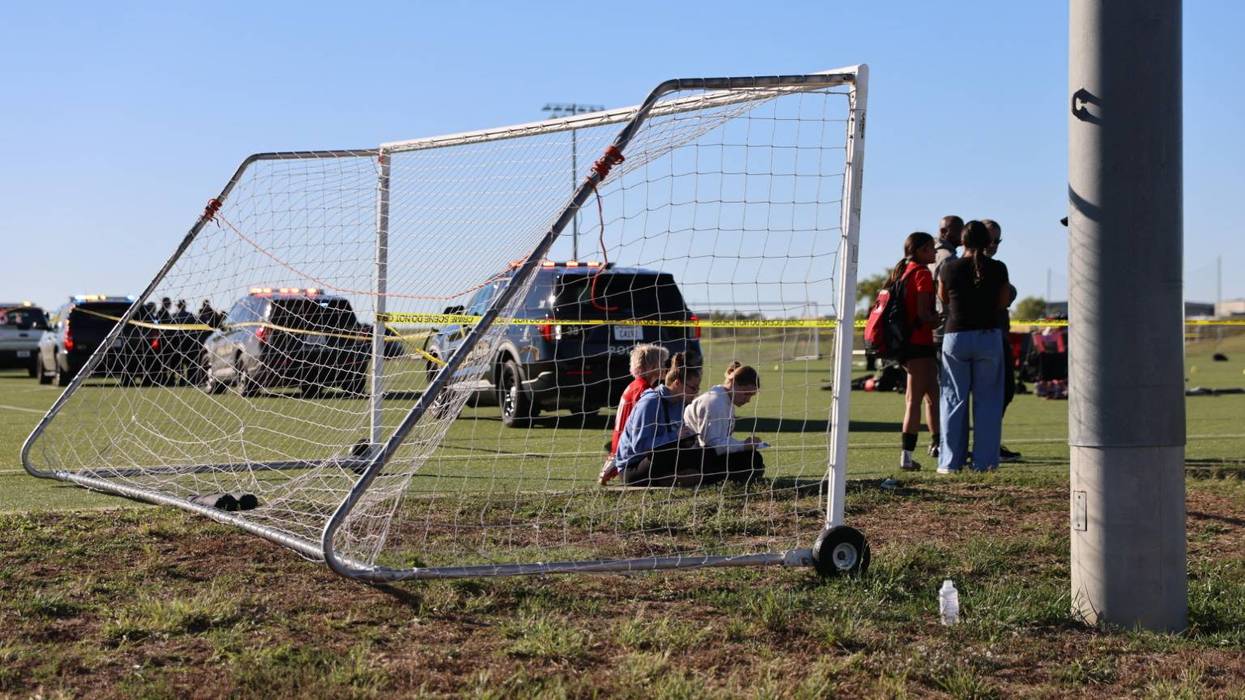



COMMERCE TWP. (WWJ) -- A 41-year-old Novi man was rushed to the hospital after he was bitten by the only species of venomous snake in the state: the eastern massasauga rattlesnake.
According to officials with the Commerce Township Fire Department, this happened on Tuesday, July 21, near the boat launch in Proud Lake Recreation Area.
The man, who was bitten on the hand, was taken by ambulance to the University of Michigan hospital in Ann Arbor — which is the closed hospital with the anti-venom needed, the fire chief said.
The fire chief told WWJ's Amanda Forrester that the man was in "extreme pain," but was listed in stable condition at last check.
While the fire department did not release any details about what led up to the incident, the chief offered this advice to the public: "Don't play with snakes."
What to know about the eastern massasauga rattlesnake
What they look like
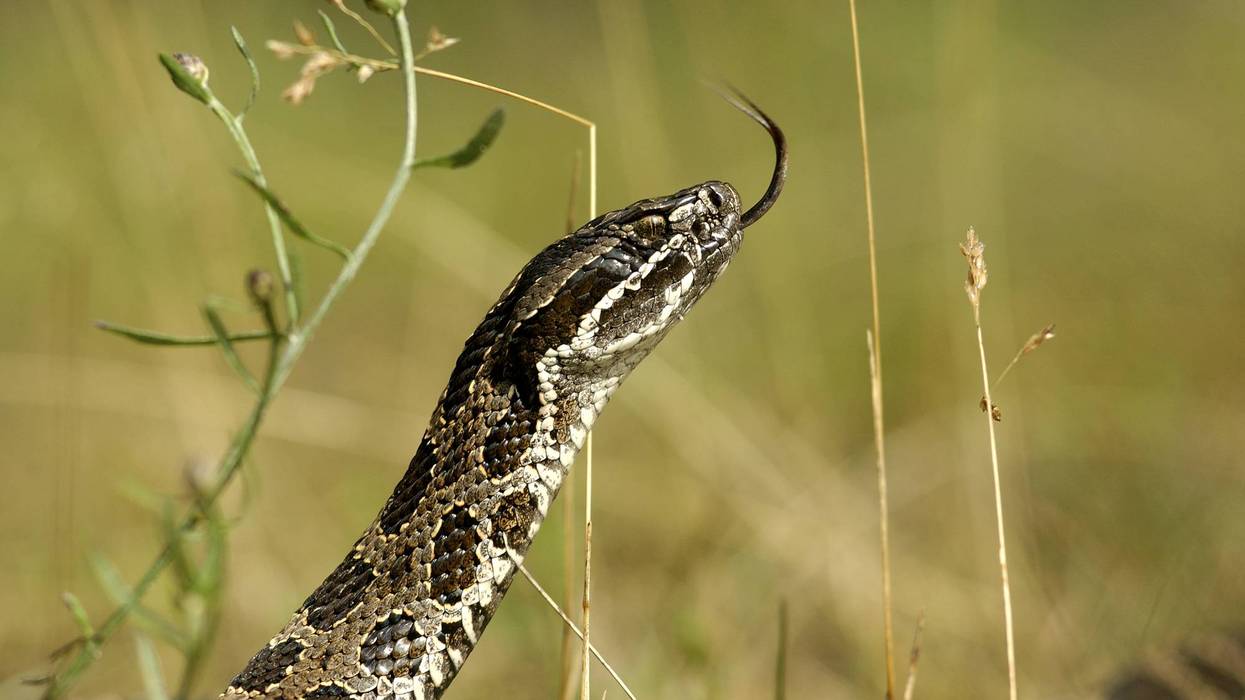
The eastern massasauga (Sistrurus catenatus) is a relatively small to medium-sized snake, with adults typically measuring between 18 and 30 inches in length. As pit vipers, they have wide, triangular heads with cat-like vertical pupils and heat-sensing pits between their eyes and nostrils.
They are thick-bodied snakes, usually gray or light brown, patterned with dark brown splotches along their back and sides—a design often described as resembling bowties or video game controllers. Their defining feature is a blunt, segmented keratin rattle at the tip of their tail, which produces a high-pitched buzzing sound.
Note: Several harmless native snakes in Michigan, like the Eastern Fox Snake and Milk Snake, will vibrate their tails in dry leaves to imitate a rattlesnake when threatened. However, the Massasauga is Michigan's only snake with a physical, segmented rattle.
Where they are found
Often referred to historically as "swamp rattlers," massasaugas are primarily associated with wetland habitats.
- Spring and Winter: They spend cool months hibernating in shallow wetlands, wet meadows and bogs
- Summer: During warmer weather, they migrate to drier, nearby upland areas like old fields, forest openings, and prairies to bask and hunt for small rodents.
While they are native across Michigan's Lower Peninsula, they are notoriously reclusive, shy, and reliant on camouflage. Most residents will go a lifetime without ever spotting one in the wild.
What to do if you encounter one
The Michigan DNR emphasizes that massasaugas are docile, timid animals that bite only as a last resort for self-defense or hunting.
- Give them space: A snake can only strike about one-third of its body length. Staying at least three to four feet away completely eliminates any physical danger. The DNR says: If you leave the snake alone, it will leave you alone.
- Do not corner or handle them: Bites almost exclusively occur when someone attempts to kill, capture, or handle the snake.
- Back away slowly: If you hear a high-pitched buzzing rattle, freeze, spot where the snake is, and step backward out of its territory. Given space, the snake will move toward cover.
- Keep pets leashed: Discourage dogs from investigating tall grass or brush in known wetland habitats.
What to do if you are bitten by a rattlesnake
- If you are bitten by an Eastern Massasauga Rattlesnake, call 911 immediately.
- Try to stay as calm and still as possible, and keep the wound immobilized, holding it at or slightly below heart level.
- Before swelling happens, be sure to remove any rings, watches or restrictive clothing.
- Do not cut the wound, try to suck out the venom, apply a tourniquet, or use ice. These actions can cause more harm, according to the fire department.
More common in Michigan, but still at risk
While encounters do happen in Michigan, the Eastern Massasauga has been listed as a federally threatened species under the Endangered Species Act since 2016.
Historically, massasaugas ranged across ten U.S. states and Ontario. Today, urban development, farmland draining, and road building have wiped out up to half of their historical range, making them nearly extinct in states like Illinois, Indiana, and Ohio.
Michigan is now the global "last stronghold" for the species. Even within Michigan, remaining populations are divided into isolated "islands" surrounded by highways and developments. Because female massasaugas do not reproduce until age 3 or 4 and only give birth every 2 to 3 years, lost populations cannot recover quickly. Protecting Michigan's snakes is essential to preventing the total extinction of the entire species.