


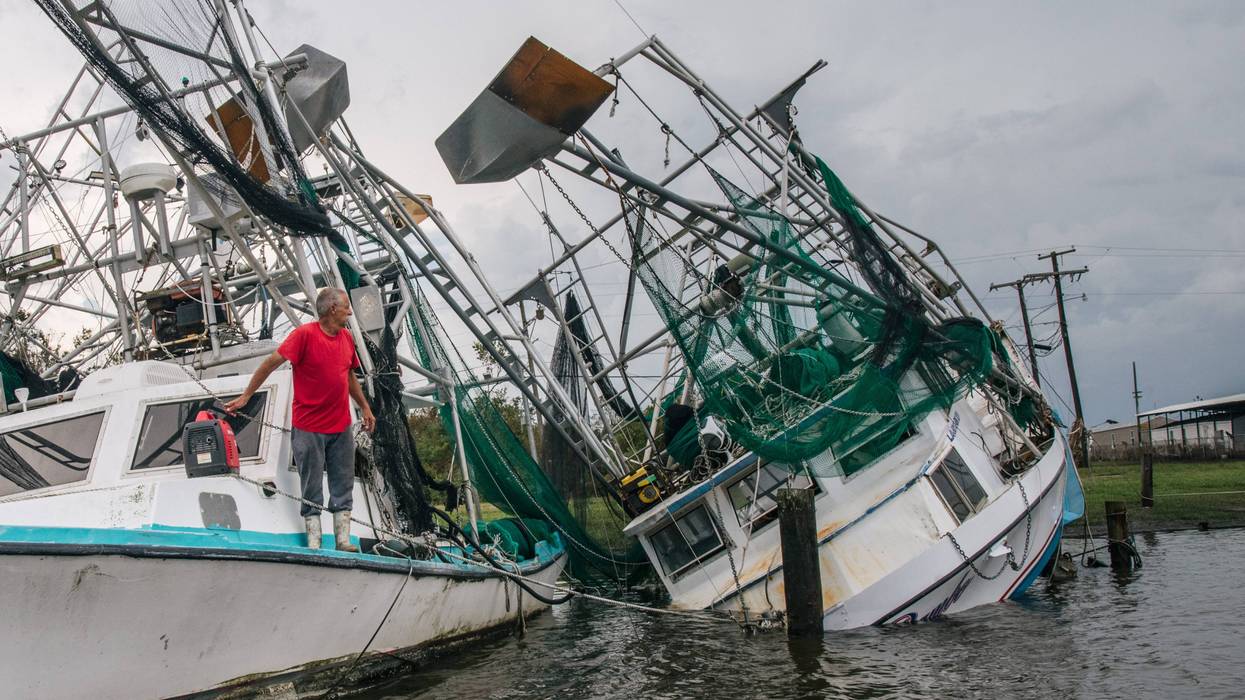

Hurricane Ida’s eyewall cut a swath through Southeast Louisiana’s finest commercial fishing and oyster waters, leaving the industry reeling.
John Tesvich with the Louisiana Oyster Task Force said the historic hurricane seemed to target people who rely most on the water.
“The track that this hurricane took, I think that was probably one of the worst tracks for the seafood industry,” said Tesvich who added that at least fishermen in this region are used to this by now. “It’s happening a little too often, but we know what we have to do beforehand, most fishermen are prepared and they tend to have safe harbor for their vessel so I think most escaped injury.”
Tesvich said while most of the fleet is intact, many vessels moored in Grand Isle, Lafitte, and Bayou Lafourche sustained significant damage. Lt. Governor Billy Nungesser reported 54 lost ships from the storm in Lafourche.
Boats can be dry-docked and moved out of harm’s way, but most homes can’t. Fishermen are now suffering from the same housing perils that have created what some call a humanitarian crisis in the Bayou Parishes.
“Some of them are living on their boats now because their home was devastated,” said Samantha Carroll with the Louisiana Seafood Promotion Board. “Then in some cases, some docks were completely destroyed so they don’t have a place to go with the seafood, even if they did catch something.”
Nungesser is calling for industry-specific federal aid, and Carroll said the best thing you can do to help is to just keep eating Louisiana seafood, even if availability is limited right now.
“That’s going to be the ultimate factor in the reviving of this seafood economy,” said Carroll.
Tesvich said the oyster harvest, in particular, is facing delays right as the season is set to heat up. That’s partly because the state closed most beds ahead of the storm and only recently gave many the all-clear after performing health inspections. Some beds, however, may not be available in the short term.
“The storm actually can cover the oysters with grass and silt in some parts of the bay, so there are some places that we have lost crops,” said Tesvich.


