


*UPDATE:* The issue was deferred, once again. No explanation was given for the delay, but earlier today on WWL Councilman Joe Giarrusso suggested the ordinance faced uphill odds, particularly due to concerns that as written the ordinance would have allowed not just the police, but city officials access to this technology.
*Original Story:* After a month-long delay, a New Orleans City Council committee is set to discuss potentially rolling back the city’s prohibition on the use of certain surveillance technology. The debate will be over an ordinance that repeals limits enacted in a 2020 ordinance.
The 2020 ordinance, written by then-Councilman Jason Williams, banned city use of facial recognition technology, predictive policing software that uses computer models to reportedly determine where crime is most likely to happen and who is most likely to commit it, certain cell phone tracking equipment, and characteristics tracking software that tracks individuals based on factors like size, shape, color, and more.
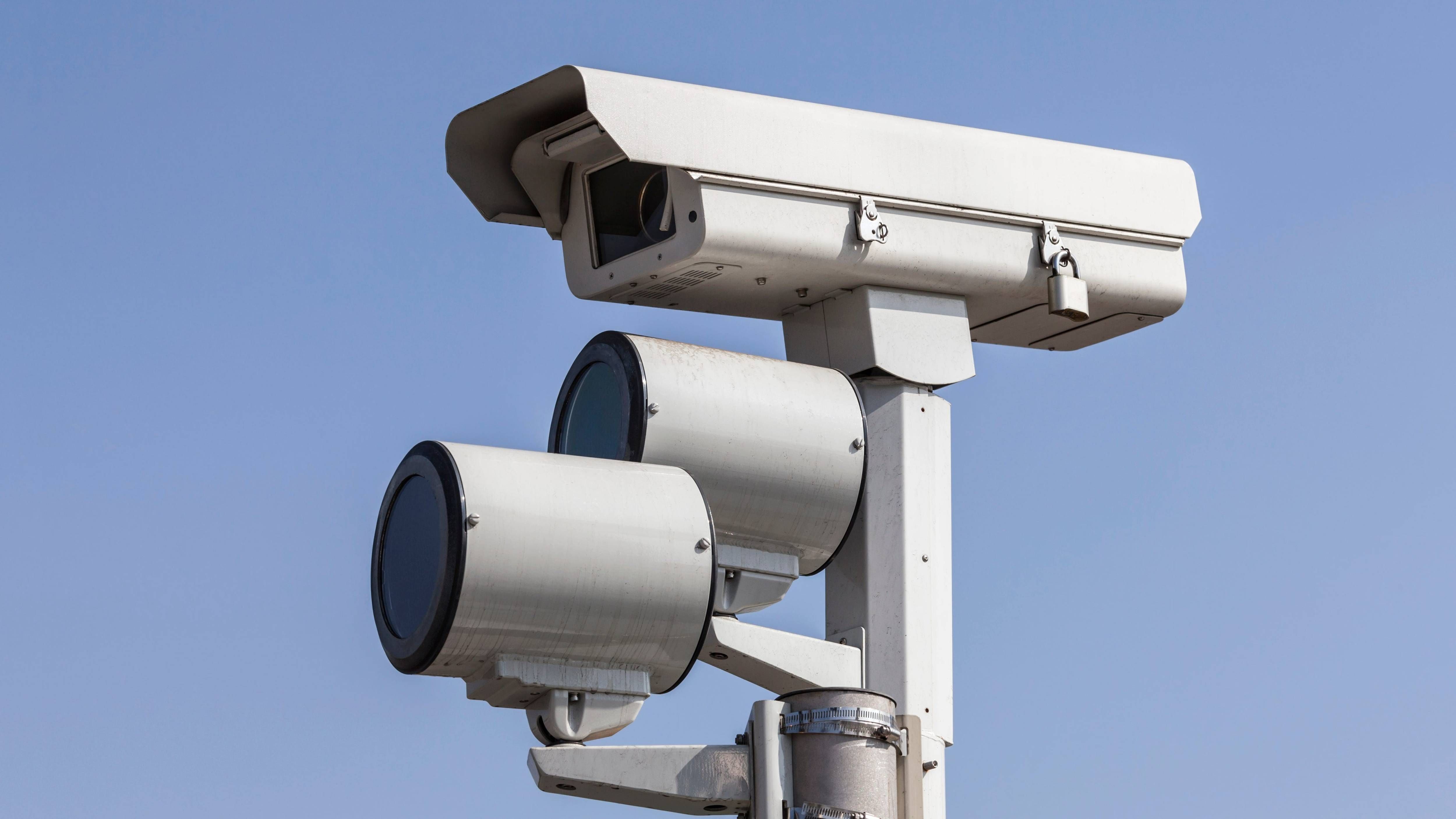
Supporters hope to roll back those limitations when police are investigating major criminal offenses like murder, or crimes against children. Opponents of the rollback argue the current ordinance not only reinstates tech in the four previously listed categories, but opens the possibility for use of a wide range of other surveillance tech in the future.
Cops say they need these tools to fight crime in the midst of a major surge in violent offenses. The effort to roll back the limitations was spearheaded by Mayor Latoya Cantrell, and backed by NOPD Chief Shaun Ferguson, both of whom opposed the initial limits set into place two years ago. Ferguson told WWL’s Newell Normand that as the department continues to shrink, they need this technology to make up for last manpower.
“The surveillance ordinance currently in place hampers our efforts and attempts to fight violent crime,” said Ferguson, who laid out his full argument last week on WWL.
The prohibition on this surveillance tech was spearheaded by a community civil liberties group called The Eye on Surveillance Coalition which argues this technology is unreliable and racially biased. Member Renard Bridgewater said the tech is easily abusable, and passing this rollback would have far-reaching consequences.
“Ultimately it (the rollback ordinance) opens up Pandora's Box to a very expansive degree when we think about surveillance technologies,” Bridgewater told WWL’s Matt Doyle in an interview last month ahead of an ultimately delayed Council hearing on the matter.