




UPDATE: Councilman Eugene Green's office has confirmed that this surveillance ordinance has been deferred.
In 2020, spearheaded by then-Councilman Jason Williams, the City Council passed a landmark ordinance placing limits on surveillance technology use in New Orleans. Just 15 months later a new-look council could be set to undo those restrictions.
In July of 2020 then-Councilman Williams, who is now the New Orleans District Attorney, warned about the dangers of unreliable “racially biased” surveillance tech. He also somewhat prophetically warned about future councils trying to undo the ordinance, though it appears he didn’t foresee that effort coming so soon.
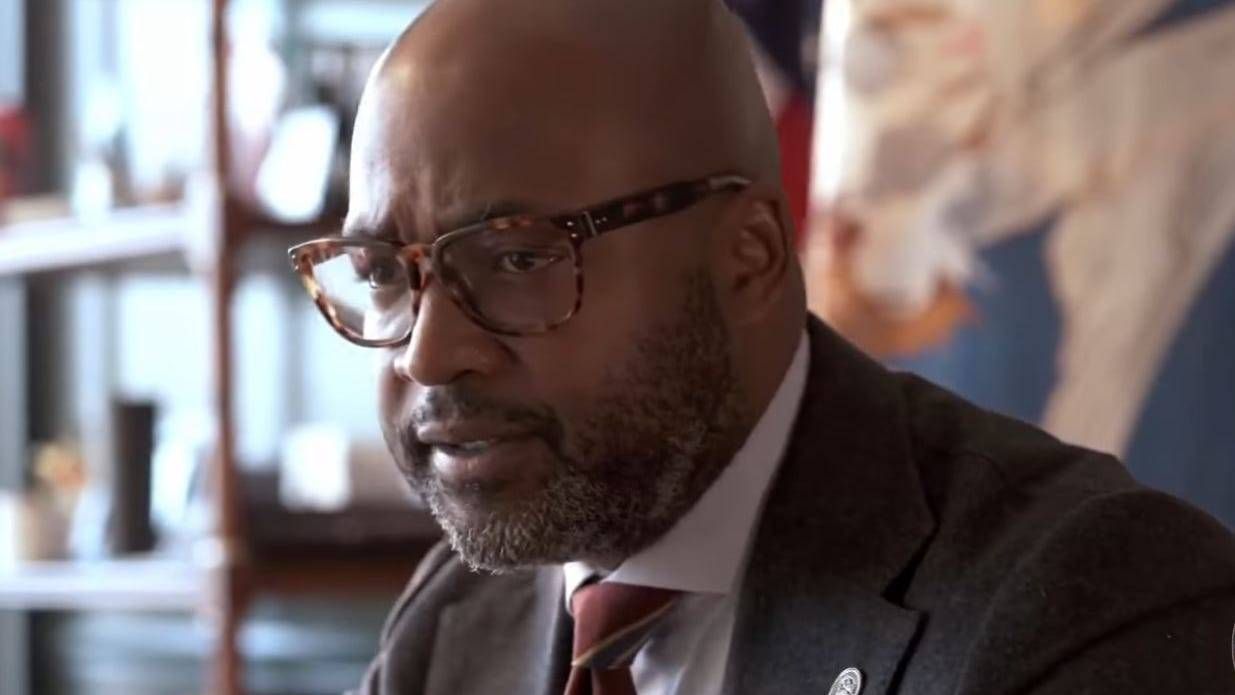
“We have to be very intentional about making sure that the decisions that we make today and the guard rails that we put up today can last other council terms. Just because we have a good group that sees this the right way now doesn’t mean three terms from now that they are going to have these same intentions,” Williams said during a July 8th Smart and Sustainable Cities Committee meeting.
Williams’ 2020 ordinance blocked the use of facial recognition, predictive policing software, characteristics tracking, and certain cell phone tracking technology. That could be significantly rolled back under an effort authored by newly-elected Councilman Eugene Greene, and cosigned by Councilmen Freddie King III and Oliver Thomas.
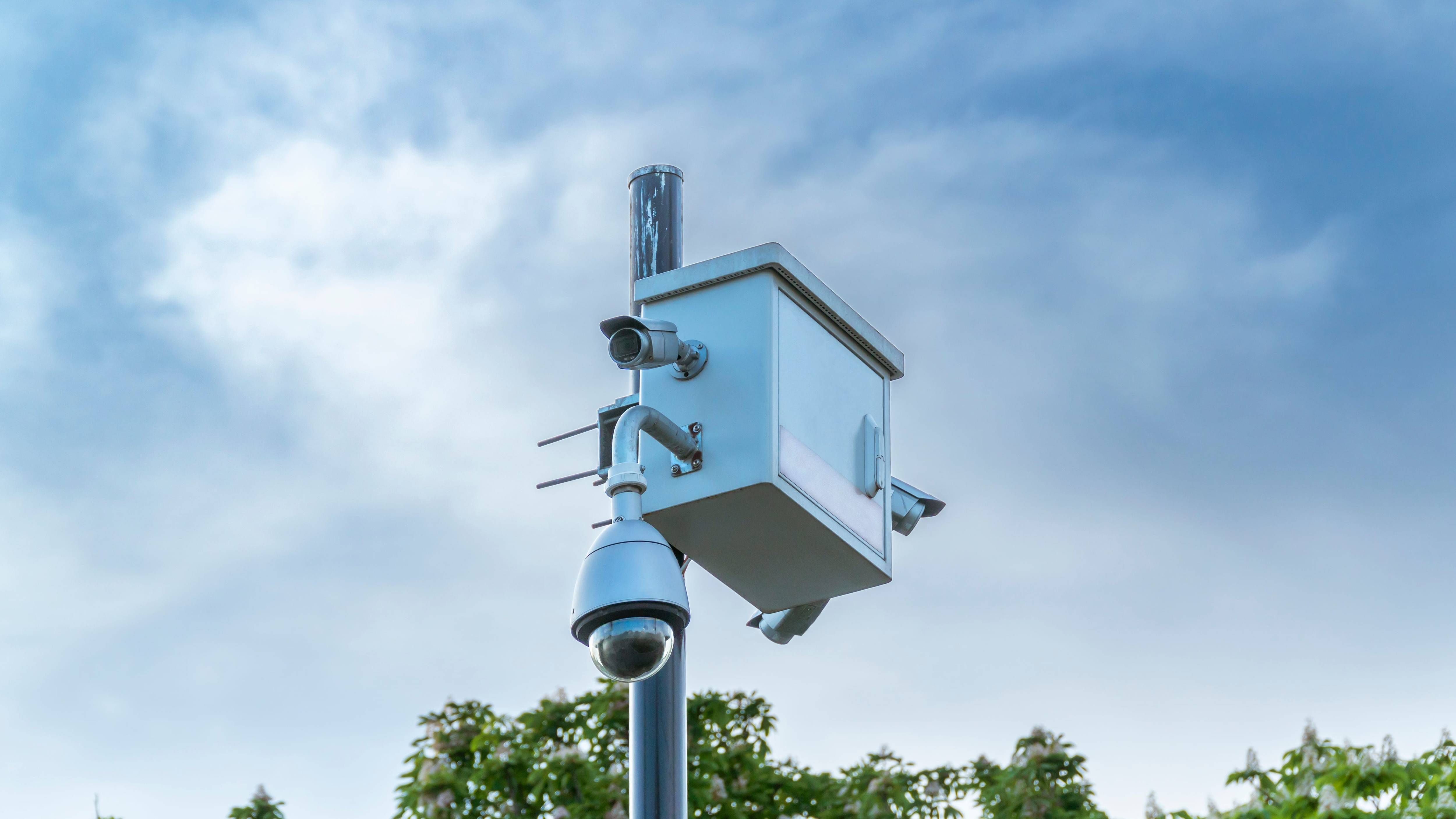
Under Green’s proposal, which was requested by Mayor Latoya Cantrell, those technologies would be back on the table according to nola.com for use in situations involving violent crime, sex crimes, or crimes involving juveniles. Civil liberties advocates argue the proposal goes even further than that, with it signing off on a range of surveillance technologies that weren’t even included in the 2020 ordinance.
Williams blasted surveillance technology like facial recognition and characteristics tracking in 2020 while serving on the council. While initially introducing the ordinance, which would be significantly watered down in its final form according to advocates, Williams argued that these modern technologies have verified track records of racial bias.
“The faces of minorities are more difficult for facial recognition systems to identify and thus certain minorities have a high likelihood of being incorrectly identified,” said Williams. “They won’t be able to tell the difference between myself and Councilman Banks (another Black male) but they would tell the difference between myself and Councilmember Moreno and Giarrusso and Ngyuen.”
While championing the legislation alongside local civil liberties group the Eye On Surveillance Coalition, Williams also railed against what he said would be the potential for government abuse.
“A key problem is creating such powerful technology systems is that history tells us it will inevitably be and can be abused,” said Williams. “Bad actors have used it to blackmail members of marginalized communities, to spy on ex-spouses, to track any kind of rival at all.”
That was Williams 15 months ago while serving on the council, but what about his current opinion on this surveillance technology? We don’t know, and when asked for comment about his thoughts on the ordinance Wednesday a Williams representative said they would get back with us, but did not respond afterward. For that matter, Councilman Green, Councilman King, and Councilman Thomas also did not respond to requests for comments or interviews Wednesday.
So far the strongest voice in support of the rollback of surveillance restrictions has been Mayor Latoya Cantrell. Just over a month ago during a news conference dedicated to public safety she mentioned her and NOPD Chief Shaun Ferguson’s desire to have some of the restrictions lifted as the city struggled to get control of a surge in violent crime.
“This was absolutely a tool taken away,” said Cantrell, who publicly called for the council to roll back Williams’ 2020 ordinance.
Ferguson, who called surveillance technology a “force multiplier” at a time when the NOPD was facing staffing shortages, also mentioned Williams in passing that day.
“You’ve heard the DA, as well as myself, say before technology is needed to solve these crimes and hold individuals accountable,” said Ferguson during the February 2nd news conference.
So, when will this potential rollback be addressed? That’s unclear because while the ordinance is on the calendar for the March 10th meeting, there’s no guarantee that the council will actually take up the issue that day.


