


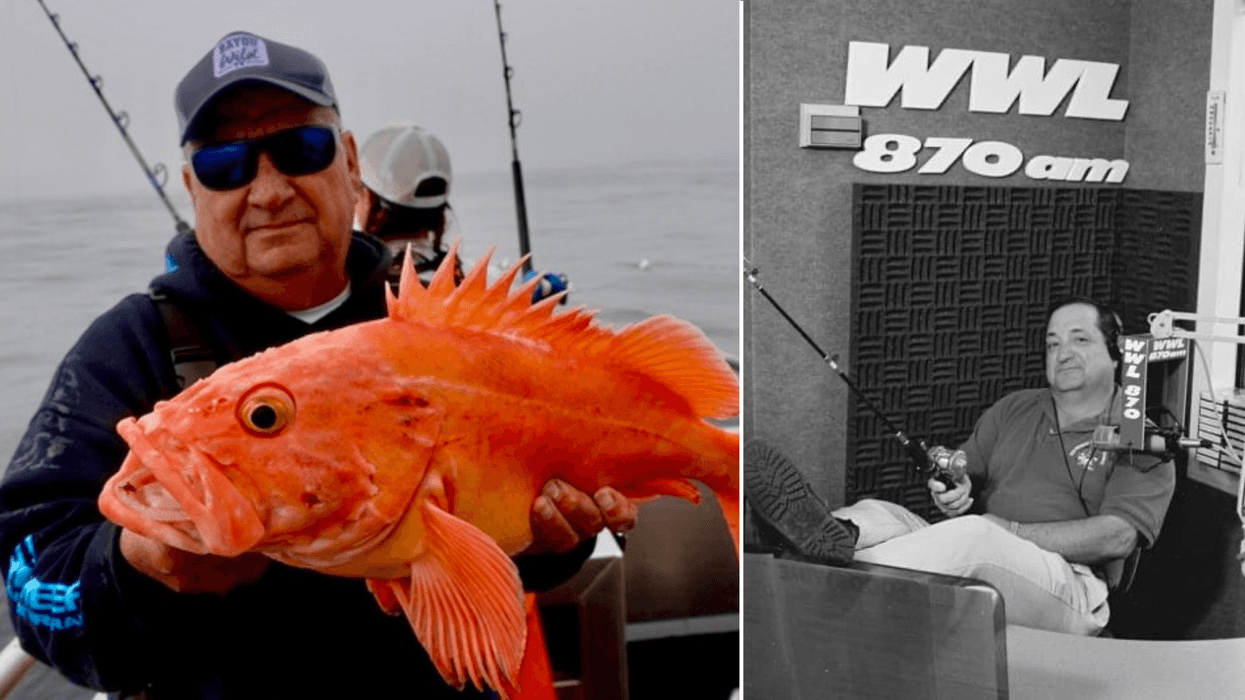

“After 37 years, I’m hanging up the headset—but not the rifles, the fishing poles, and the shotgun. We’re going to have a sign-off show next week; it's going to be a special show,” Don Dubuc explained to his listeners Saturday, January 31st.
“I want to thank you. Without you, the audience, this show would have never been through 5 different decades: The 80s, the 90s, the 00s, the 10s, and now, the 20s. Next week we’ll be looking for your texts. I’m going to open up the lines, we’re going to talk about past shows, we’re going to talk about past episodes, and all the memories.”
Saturday, February 7th, will be WWL’s final installment of Louisiana Great Outdoors with Don Dubuc.
 WWL
WWL
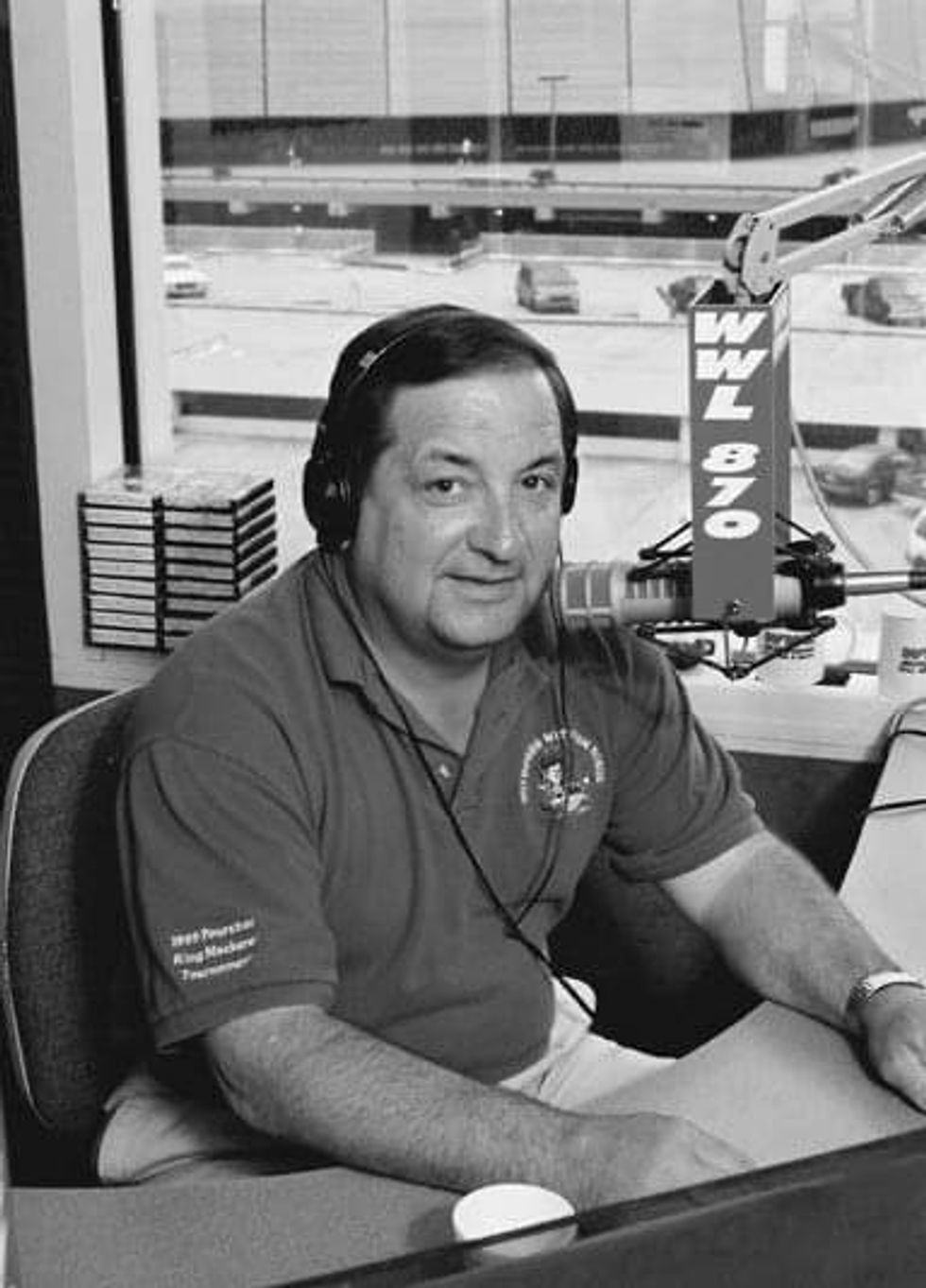
For going on half a century, Don Dubuc led the Bayou State as the go-to voice for navigating Louisiana wildlife; no one understood and valued the term “Sportsman's Paradise” more. And, as a leader-by-example, Dubuc held the respect and attention of every Louisiana outdoorsman from Caddo to Plaquemines Parish.
But beyond status as the expert’s expert on Louisiana’s cypress swamps, boat launches, coastal marshes, alluvial plains, fishing rodeo calendars, and the state’s ever-shifting hunting regulations, Don is equally remembered for using WWL airwaves to serve his community.
There’s no better example of this than his response following Hurricane Katrina.
Remembering Katrina with Don Dubuc… 20 years later
In August, Don Dubuc joined WWL’s News Director Dave Cohen for a special interview as WWL looked back on 20 years post-Katrina.
“WWL has been on the air a hundred-and-something years now. I have either been listening to them or worked for them for 50 of those hundred years,” says Dubuc. “And I can't remember a single moment that made me more proud of WWL radio than the coverage during that hurricane.”
The Louisiana Great Outdoors host recalled hearing news that a Category 5 storm, bound for what was first thought to be the Florida panhandle, would instead make landfall in South Louisiana.
“It was a Friday night. I was watching it when I got word it made the turn, and I thought, Well, no outdoor show tomorrow morning, for sure.”
Then, Katrina came.
“Like everybody else, I was listening to WWL. We were the only source of information. There was no TV and no other radio. It was heart-wrenching to hear the station being torn apart. You could hear it. You were on with Garland,” Dubuc says to Cohen. “After that, everything calmed down, and everybody relaxed…Then the water started coming. We all know what happened to New Orleans after that.”
In the first few weeks after, Dubuc cleared trees in his neighborhood, attempting to unblock the roads so his family and neighbors could escape the area to somewhere with aid.
"Of course, there was no fishing industry," Don says. "I thought maybe this was the end of the fishing industry—recreational and commercial—in Louisiana.”
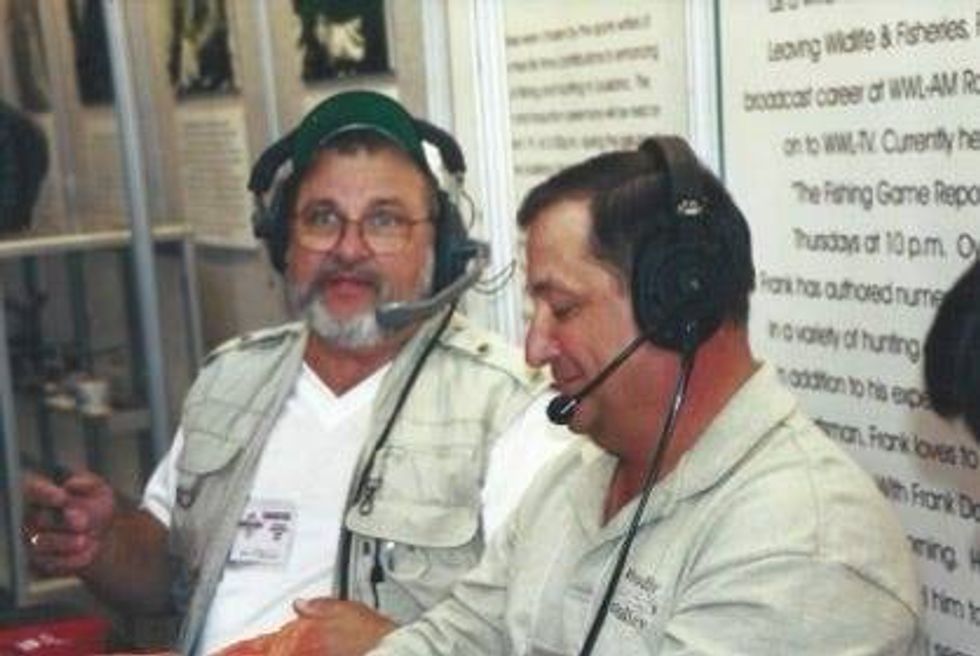
During this time, Don remembers reaching out to WWL Brand Director, Diane Newman, “I told her, I’m not doing anything. I don't have any electricity. Sounds like y'all might need some help. Do ya?”
Newman lunged at his offer, and Dubuc immediately took to WWL airwaves.
“Don was a hero after Hurricane Katrina and the disaster that followed,” comments Diane Newman following Dubuc's retirement announcement. “He was a hero to our station—stepping up as other key members of our staff were rocked by the sheer disaster that upended their lives. And Don was a hero to me, someone I could count on when I needed him most.”
"WWL radio was that lifeline..."
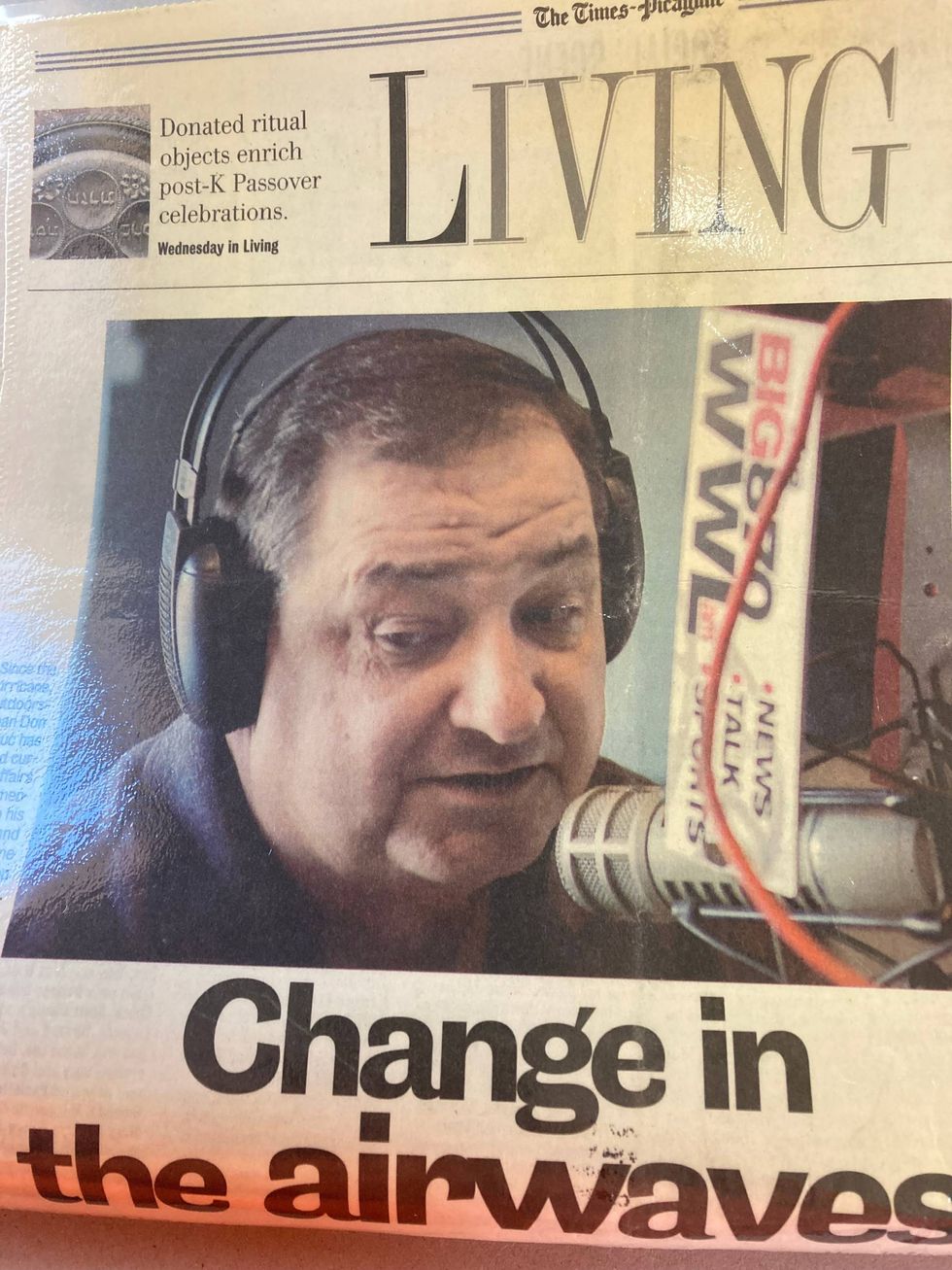
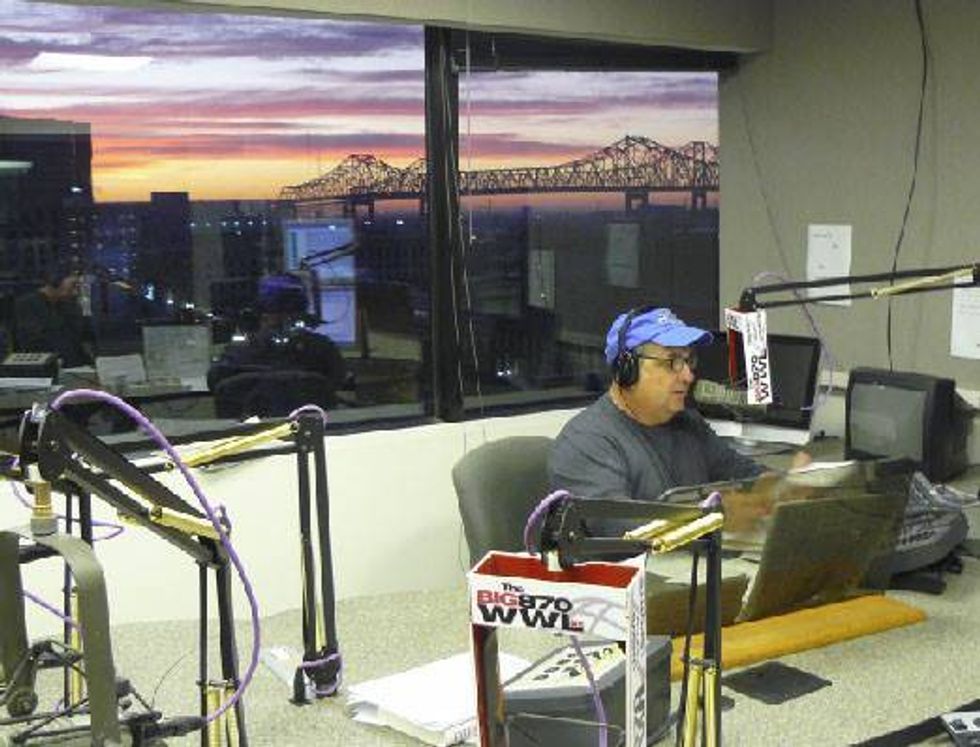
In the weeks following the storm, Dubuc formed a makeshift studio. fielding thousands of calls from hurricane victims.
“I concentrated mostly on the North Shore," says Dubuc. "I brought the radio show and broadcast equipment to Jack Strain’s office, inviting all the municipality leaders, mayors, parish presidents, and the Red Cross. Everybody could come and give information to people on the North Shore, vital information: Where can I go to get ice, water, and gas?”
“People had water in their houses. They were on roofs. They were desperate and needed help,” Dubuc recounts. “I think this got overlooked on the North Shore. There are a lot of rural areas. Many people live in trailers, down backroads; there's no way to get to a shelter or a town. A lot of people had no power. Lines were down. A lot of them had pumps for wells and had no water. They were begging for a phone call on what to do.”
“WWL radio was that lifeline,” Dubuc states.
He remembers attempting to describe the experience when interviewed about it after-the-fact.
“Reporters asked me what it was like? I said, it was like being half-bartender, half-priest.”
 WWL
WWL
There were a few specific moments during this period, Dubuc says, that will never leave him.
“One of which is still a mystery to this day,” he explains. “I’d get calls from people saying they couldn't find a loved one or couldn't get out of their driveway...I got a call from a guy."
Dubuc remembers hearing a voice from the other side: "You know me. We hunted ducks together years ago, but I’m not going to tell you my name. Call me 'Mr. G,' and I can get things done. When you get these serious cases where people need immediate help, and they can't get the government to do it. Put them in touch with me.”
“I can’t tell you how many problems he solved,” Dubuc says. “The guy was an angel. To this day, I dont know who he is.”
Like many in a post-Katrina Gulf South, Dubuc experienced moments of irreversible tragedy.
“A lot of people lost a lot of stuff…and that’s just stuff," Dubuc says. "You can replace it. But many were victims of serious loss, and I experienced that. For me, it was the loss of the life of my brother."
“He had gone and evacuated his extended family to Santa Rosa. They told the kids not to go in the water because there were rip currents. Two of his nephews went in and got caught. The kids came in screaming, saying they were trapped. He went in, rescued one, and got him back. Went back to get the other one, got him back far enough where he could swim in. But my brother did not make it back. He died a hero. We lost him, and when you lose lives, that's where it really hurts. Katrina did that to a lot of people in this area.”
 WWL
WWL
"As long as the fish are there, the fisherman will be there too..."
Whether Louisiana’s fishing industry would survive Hurricane Katrina plagued the minds of many outdoors lovers in the months following the storm. And while Dubuc harbored doubts, it didn't take long for those doubts to vanish.
“I’ve been everywhere in Louisiana along the coast. I know all the waterways on both the North Shore and the South Shore. I know where all the boat launches are," Dubuc tells Cohen. "It was a real fear I had, that maybe my industry—the recreational fishing industry—was going to be over. But it wasn’t. Somebody told me: As long as the fish are there, the fisherman will be there too.”
 WWL
WWL
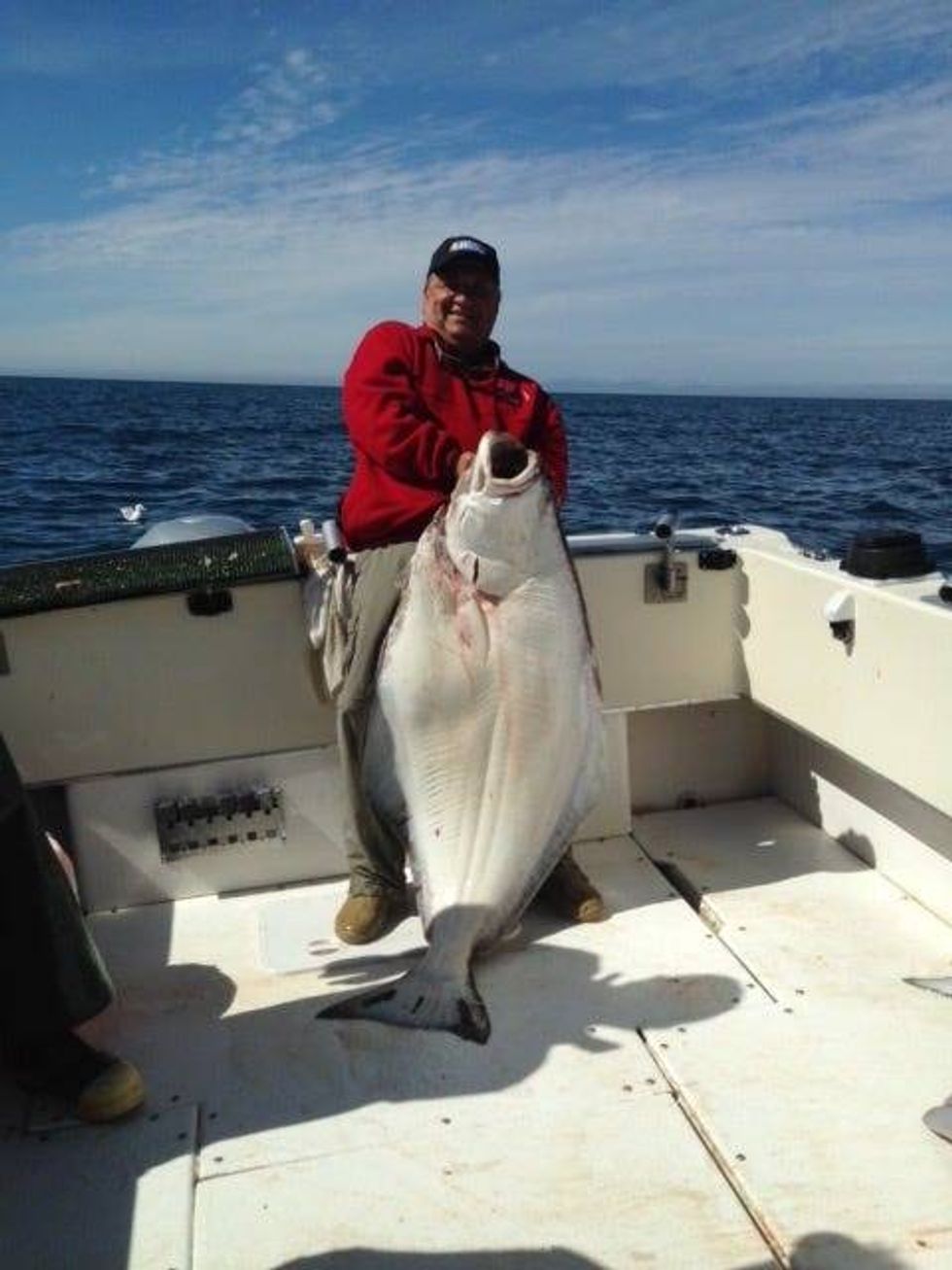
Dubuc shares the memory of his first fishing trip back out on Lake Ponchartrain after the storm.
“Fortunately, I was able to save my fishing tackle, but all my friends on the South Shore lost theirs totally. We got my equipment, shared it, and went out on Lake Pontchartrain. There was no pressure. Nobody had been fishing for weeks. When we got out there, the fish where there and that’s when I thought, Yeah, it’s all gonna come back...And it has.”
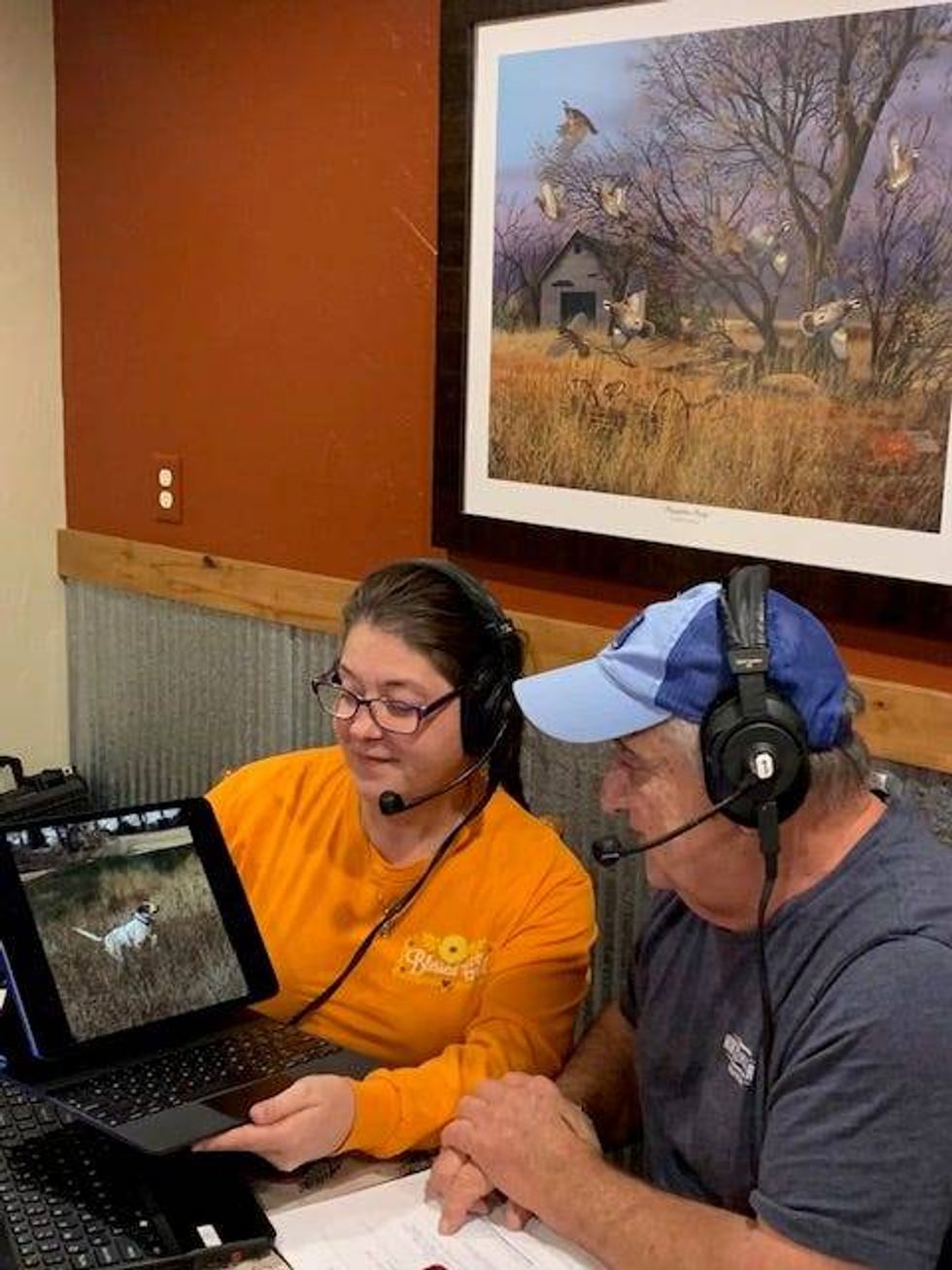 Don and his daughter Cheri co-hosting Louisiana Great OutdoorsWWL
"Do it with the people you love..." 37 years in the host's chair, and a lifetime as a Louisiana outdoorsman
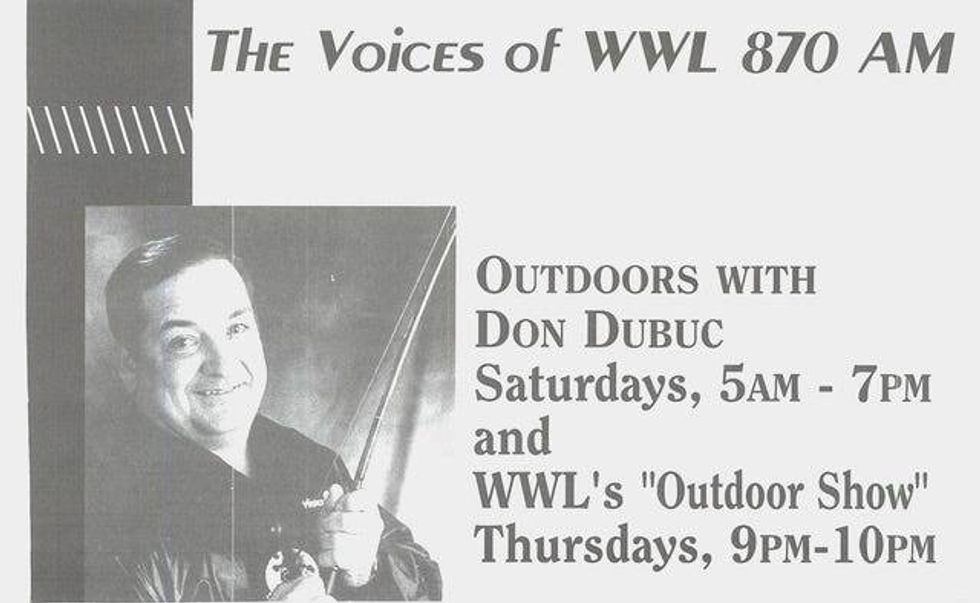
Returning to Dubuc’s retirement announcement last Saturday, WWL's longest-running on-air personality expresses his gratitude for the opportunity to host a show like Louisiana Great Outdoors for decades.
 WWL
WWL
“I meet men with their own children now. They tell me they started listening as kids when they were in the truck with their dad going hunting and fishing, and they continued to listen all these years. It’s been a very rewarding career. I’m so thankful for being allowed to do what I love and to earn a living doing it. But it’s just time for me to do other things… I always suggest that when you go hunting or fishing, do it with the people you love. Do it with your friends, do it with your family. It doesn't matter how many fish you catch, how many ducks you shoot. It’s being with them and enjoying these precious, precious natural resources. And, always, continue to take up the role of a conservationist and someone who supports good hunting and fishing. And bring the kids into it. You never know whose going to get hooked on the outdoors and might end up doing their own radio show for the next 37 years.”
“I’m going Woodcock hunting,” said Dubuc to close out his penultimate show.
“See you next week.”