
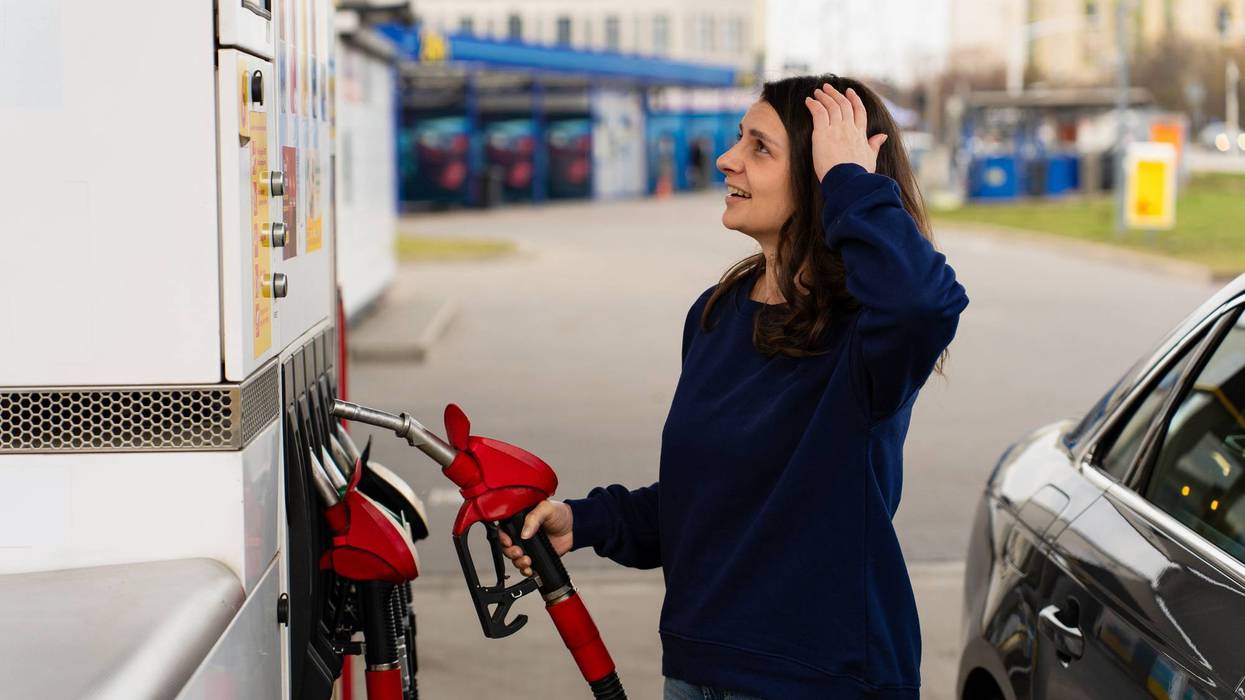

Drivers are still paying significantly more for gasoline than they were before the war with Iran, but the seasonal shift into fall could give motorists a little breathing room.
Patrick DeHaan, chief of petroleum analysis at GasBuddy, says the impact of the conflict is clear at the pump.
“New Orleans is still 93 cents a gallon above where it was last year,” DeHaan said.
The current GasBuddy average for New Orleans is $3.68.
He says the higher prices aren't the result of just one factor. The conflict between the U.S. and Iran has disrupted the flow of oil into the global market, while continued Ukrainian attacks on Russian oil refineries have also taken refining capacity offline.
“It wouldn't be fair to say it's just one or the other,” DeHaan said.
But there may be some good news ahead.
As summer driving season winds down, gasoline demand typically begins to fall. Schools are reopening, summer vacations are ending and Labor Day marks the final big travel weekend of the season.
“Gasoline demand typically continues to decline now going into the fall,” DeHaan said.
And another seasonal change is coming September 1.
The federal government has allowed the transition to cheaper winter-blend gasoline to happen about two weeks earlier than usual.
So what's the difference between summer and winter gasoline?
DeHaan says it largely comes down to volatility and how easily gasoline evaporates.
“Summer gasoline burns cleaner. It doesn't evaporate as easy,” he said.
That matters because gasoline vapors contribute to ground-level ozone, especially during hot weather.
Winter gasoline can be more volatile because cooler temperatures reduce the concern over those emissions.
“It's all about the stability of gasoline, the volatility,” DeHaan said. “The difference is all about emissions.”
For drivers who choose premium or ethanol-free gasoline, the price difference can be even more noticeable.
DeHaan says ethanol-free premium is a niche product, meaning it's not available at every station and retailers may have less incentive to compete on price.
“You may be paying a little bit more because there's not, you know, the popularity isn't quite there,” he said.
Premium fuel itself also costs more because drivers are paying for higher octane. DeHaan says demand for premium has increased as more vehicle manufacturers require or recommend it.
For now, geopolitical tensions continue to create uncertainty at the pump. But as summer driving season fades, DeHaan says seasonal factors could finally begin working in drivers' favor.
“Lower prices may be in our not too distant future,” he said.