

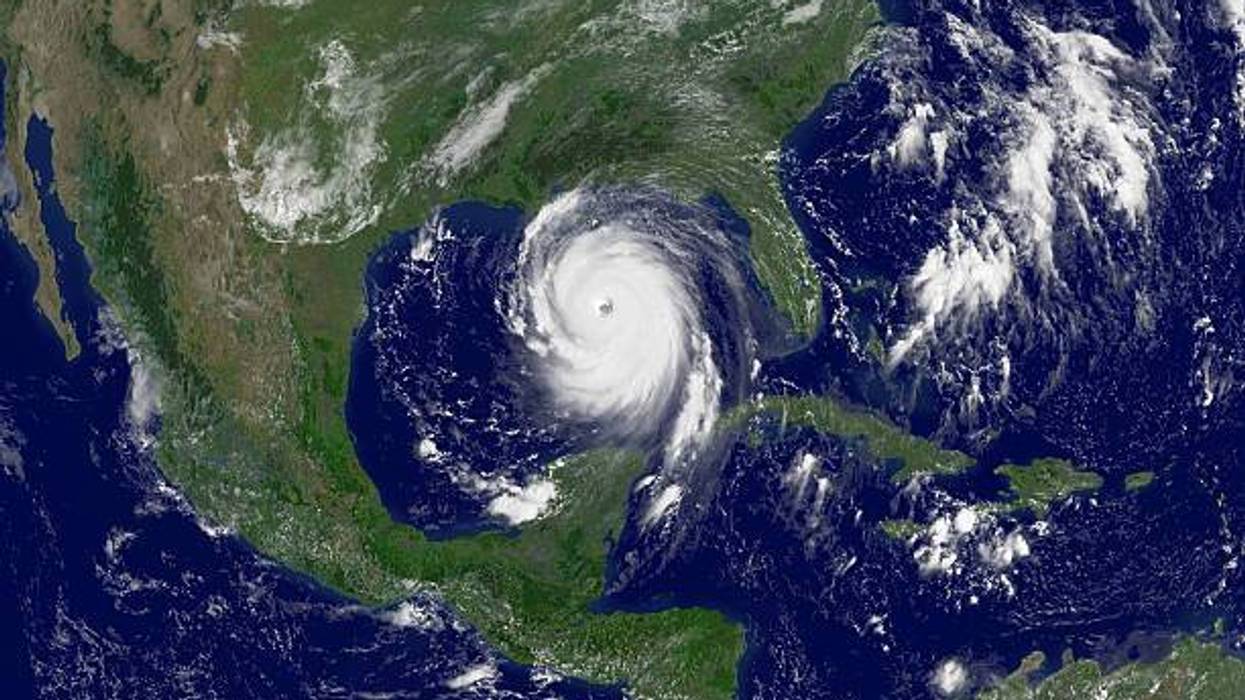

August 29th is a day that will always hold an immeasurable weight in the city of New Orleans, the day Hurricane Katrina made landfall. Then, just as the city thought they weathered the storm, the levees failed. What followed was the biggest displacement of U.S. citizens since the Dust Bowl.
Katrina left 80 percent of New Orleans underwater, 1,400 dead, and hundreds of thousands of survivors with no idea what the future would hold and if they would ever have a community to return to and call home.
As we reflect on Katrina 21 years later, WWL chooses to remember those who saw New Orleans and the Gulf South through the worst natural catastrophe in the nation's history. Below are firsthand accounts from WWL's 20th anniversary podcast series in the words of those who stood with their city in its darkest hour and continue to lead the fight to regain what was lost.
"I was in Aceh, Indonesia, when the Tsunami hit, and the U.S. hospital ship was there a day later. And here we are, three to five days after, and nobody's coming. When I hit the air, I was dangerous because I was pissed. I didn't care if I made the governor mad, the mayor mad. Anybody. I was attacking everybody in sight. That's when my producer got a call from President Bush. He said, 'I want a one-on-one with this guy, just him and me.'"
"As I drove back for the first time from Baton Rouge, it was like the saddest place in the world...But I always believed in the guts, in the DNA of New Orleans, and its people. We're just a little bit crazy. We're just a little bit nuts. We feel love at a deeper level than most, I think. I always believed in that."
"That wasn't even a football game. That was a spiritual experience. It was like the Super Bowl," the Cajun Cannon states about the energy of the Saints' first game back in New Orleans versus the Falcons. "Atlanta didn't have a chance. Morten Anderson even said, 'We didn't feel like we had a chance.' I mean, who couldn't cheer for the Saints?"
"I went back and listened to a call we received from this woman in Holly Grove. The water was rising. She had two children. One was running a fever. Their attic ceiling had already collapsed. They couldn't get out of the attic...They don't have a ladder. We had to talk them through getting on their roof as the water was rising... That was just one of so many calls. And to this day, I don't know if that woman, her children, and the other people with her made it. I had the urge over the years to find out if they made it, but I never could quite get there. Because I'm afraid that even though we tried our hardest as a voice in the dark on the radio to help them find a way to survive, that maybe they didn't."
“He said they want to arrest you for shutting the airport down. I said, ‘Tell them to bring it on. But let me tell you something, Jim. In the interim, I've got 20 to 30 national and international news stations, not 300 feet from where I'm standing right now. I will hold a press conference, and I will tell the world exactly what's going on here and what these numbskulls in Baton Rouge intend to do.’ And I said, ‘We'll see who's gonna win this battle because y'all are providing nothing for anybody down here, and these people are dying.’”
Full list of interviews from WWL's 20th anniversary special:
Hear firsthand accounts from Garland Robinette, Diane Newman, Bobby Hebert, Deuce McAllister, Newell Normand, Don Dubuc, and many more key figures involved in the aftermath and recovery from Hurricane Katrina
Hear firsthand accounts from Garland Robinette, Diane Newman, Bobby Hebert, Deuce McAllister, Newell Normand, Don Dubuc, and many more key figures involved in the aftermath and recovery from Hurricane Katrina