


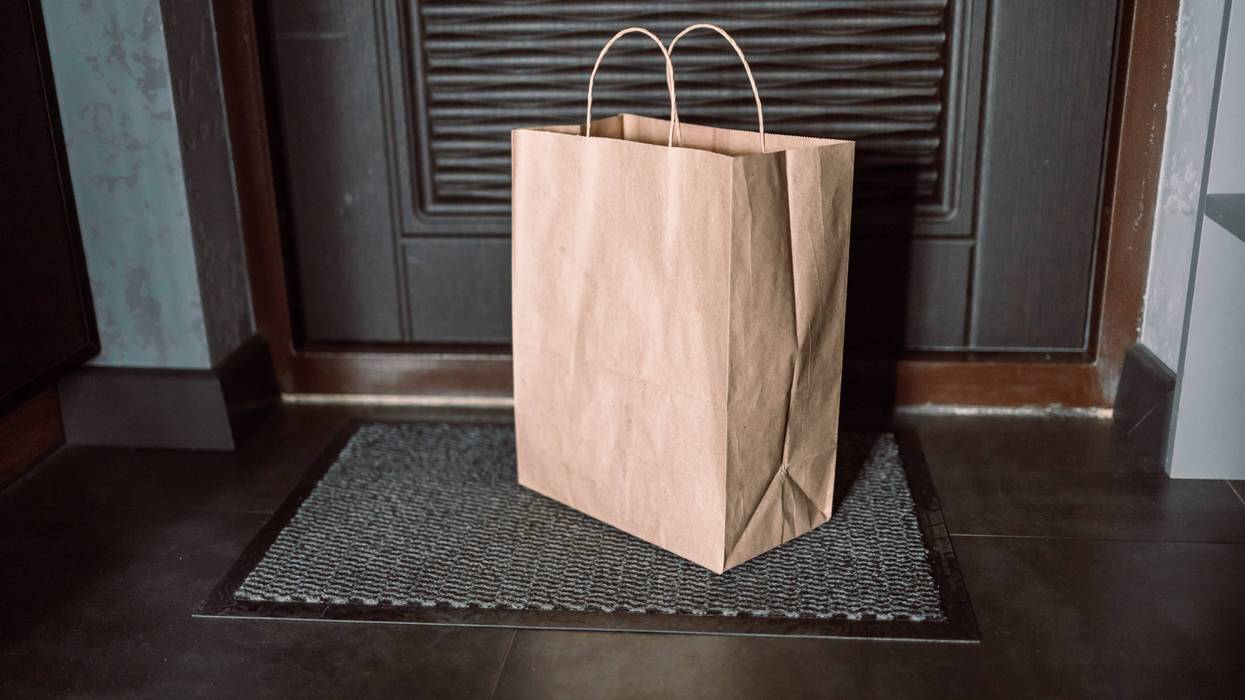

Food delivery apps make it easier than ever to get meals and groceries straight to your door, but new concerns are emerging about what happens to that food between the restaurant and your home.
Recent reports show some drivers are handling multiple orders at once, sometimes across different delivery platforms, while restaurants push food out quickly to keep up with demand. That combination has raised questions about food safety and proper handling along the way.
LSU AgCenter food safety expert Dr.Achyut Adhikari says not every delivery is risky, but some foods deserve extra caution.
“Food safety really comes down to temperature control,” Akari explains. “Some foods can tolerate short delays, but highly perishable items cannot.”
According to Adhikari, foods that contain dairy or protein, whether cooked or raw, are the most vulnerable if they sit too long outside of safe temperature ranges. Other items may hold up better, but knowing what you’re ordering matters.
The concern grows as more people rely on delivery apps for groceries as well.
“We’re seeing groceries delivered and sometimes left outside for extended periods,” Adhikari says. “That raises temperature concerns, and there’s also the risk of cross-contamination if items aren’t packaged properly.”
He notes that raw meats, dairy products, and frozen items require consistent cold storage, something that isn’t always guaranteed during delivery or after drop-off.
Adhikari says consumers can take small but meaningful steps to reduce risk.
“Being available when your order arrives helps,” he says. “If you’re expecting groceries, having a cooler outside your home can buy you some time and help maintain safe temperatures.”
While food delivery isn’t going away, Adhikari says this part of the industry will need continued attention as demand grows.
“Convenience is important,” he says, “but food safety has to remain part of the conversation.”