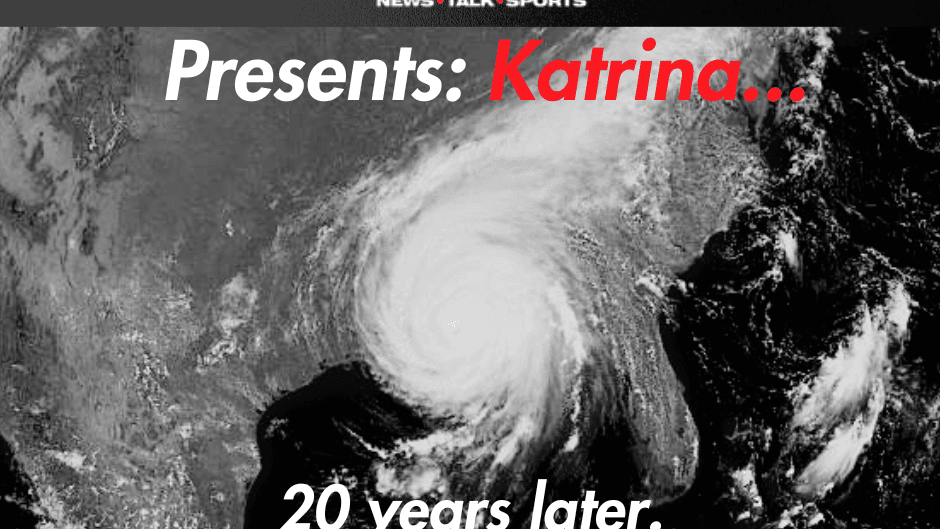


Hurricane Katrina exposed just how deep the dysfunction was in government, and residents of the New Orleans area decided they had enough.
New Orleans had long been known as "the city that care forgot," but Hurricane Katrina seemed to knock that attitude out of its residents. Becky Mowbray, President and CEO of the Bureau for Governmental Research says for many, it was an awakening.
"In the past, if corruption or dysfunction had kind of been viewed as political theater, it wasn't funny anymore," said Mowbray.
And that led to a lot of voter outrage and demands for change.
"There's an old saying: 'when the people lead, politicians will follow,' and that's what happened," said political analyst Clancy DuBos. DuBos said any elected leader who didn't get on board found themselves replaced.
"We saw a new type of candidate after Katrina. Instead of people being put up by entrenched political organizations or power bases, neighborhood association leaders started and civic leaders started running for office," he said.
Mowbray says it was that leadership and the communities behind them that made it happen.
"We, the citizens of New Orleans and the greater New Orleans area and Louisiana made a lot of things happen," said Mowbray, "and they wouldn't have happened without citizens demanding change."
Changes include creation of the Louisiana Coastal Protection and Restoration Authority, overhauling and consolidating levee boards, consolidating New Orleans' seven tax assessors into one position, consolidating the city's civil and criminal sheriff's office into one, the establishment of a New Orleans Office of Inspector General and Office of Independent Police Monitor, and more.