

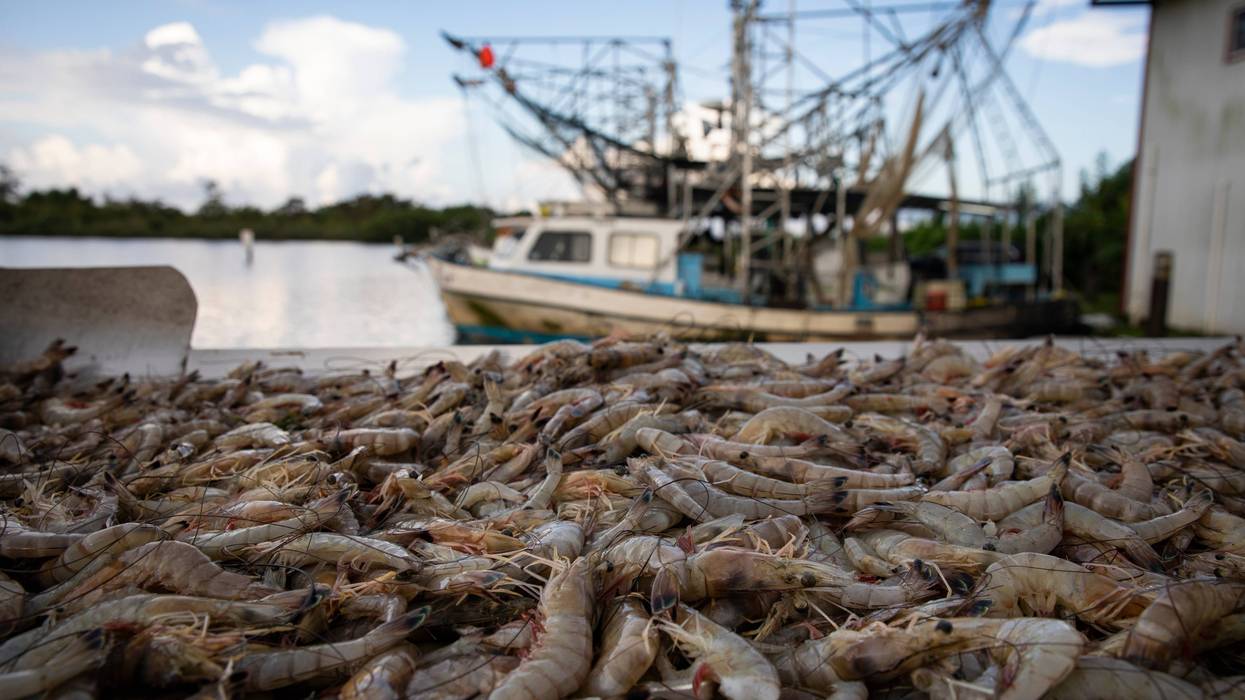

There’s been an ongoing fight in Louisiana and the greater Gulf Coast against imported shrimp flooding restaurants in the area with cheaper (and often inferior) products. It impacts not only your meal, but the local shrimpers who have been counted upon for generations to supply that seafood. As it becomes harder and harder for Louisiana shrimpers to deal with the continued onslaught of foreign seafood being imported, what can be done?
What does the long-term outlook for the industry look like? Acy Cooper is President of the Louisiana Shrimp Association and says it’s been an uphill battle for many years now.
In discussing what the average consumer may or may not be aware of, Cooper said, "They go into these restaurants and they don't realize they're selling an imported product and it isn't cheaper for the customer. You're still paying the higher prices, the restaurant is just buying it at a cheaper price," he explained.
This undercutting at the top is having a corrosive effect on the industry as a whole, as fewer local shrimpers are seeing the returns they need to keep plying their trade.
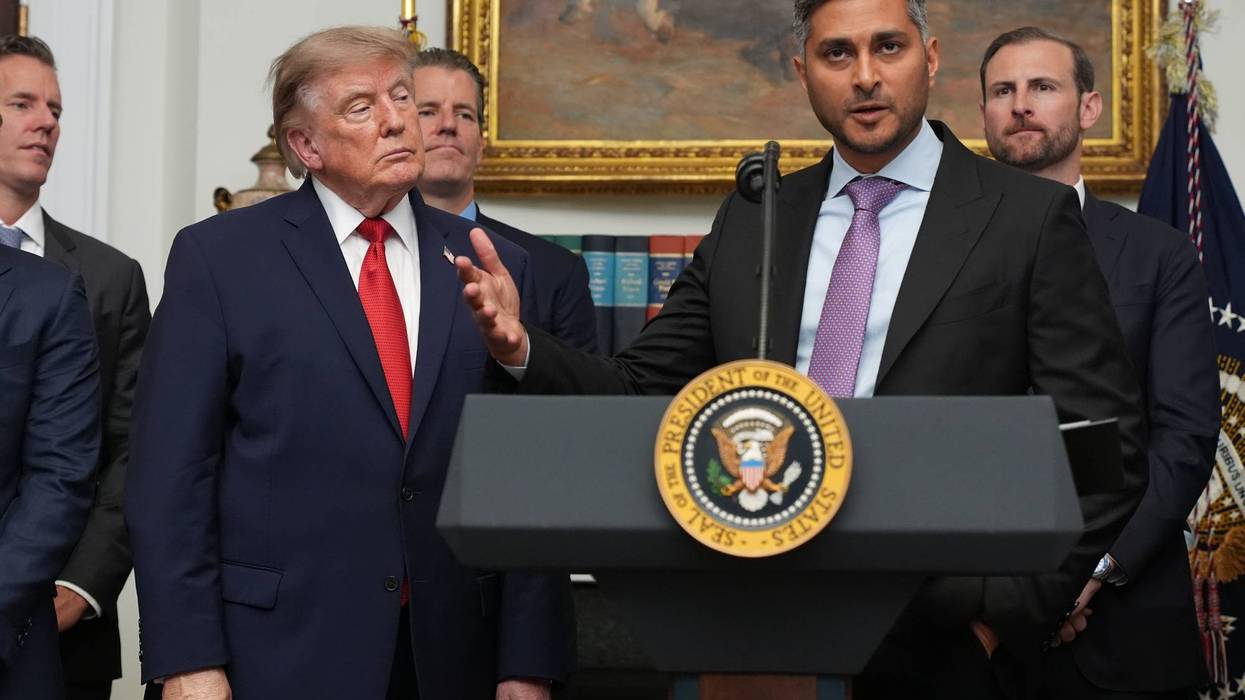
While some have hoped President Trump's tariffs would have a positive impact on the local shrimping industry, that hasn't materialized yet, according to Cooper.
"When they started talking about tariffs, the foreign importers just dumped shrimp in here before they took effect. So, we still have a lot of shrimp in this country that wasn't tariffed," he explained. However, he's still holding out hope that there will be positive movement from the administration in the future.
"There's a couple of ways that the President could give us relief. There's one document he could sign that would give a three year ban on (imported shrimp) just to let us get back on our feet. And possibly up to six years. So, we're going to Washington on January 27th and I will be bringing that up when I go," Cooper noted.