


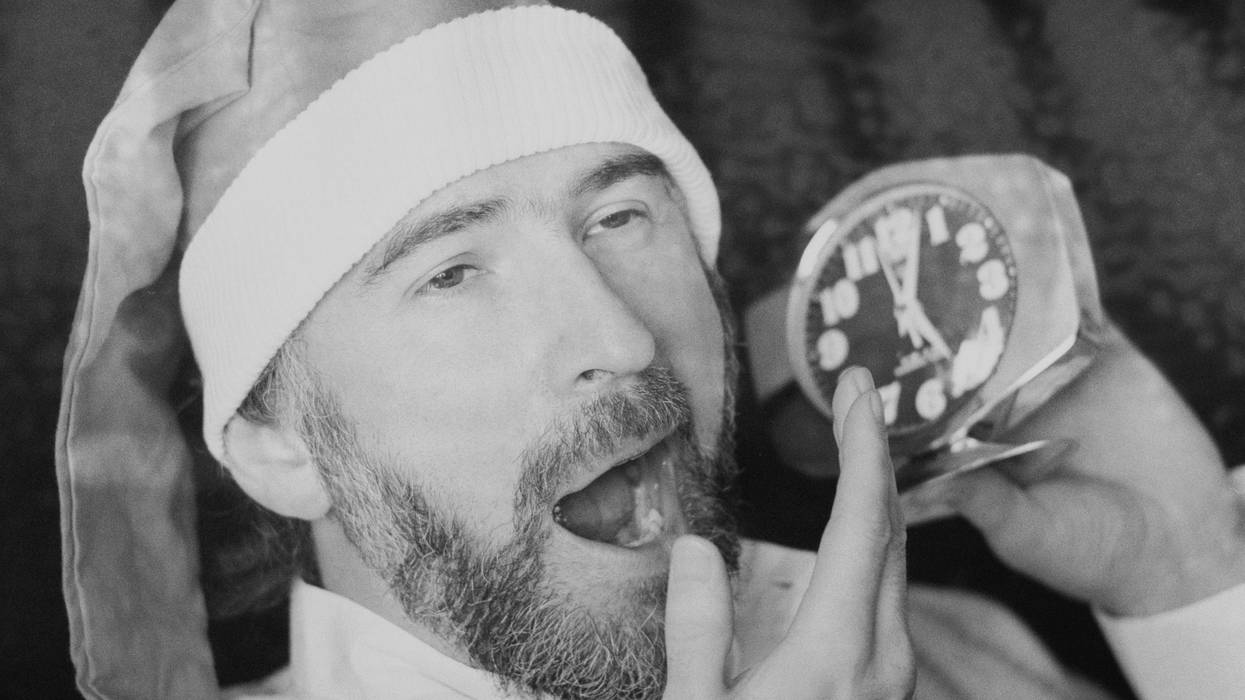

While it may not SEEM like a big deal to lose just one hour of sleep for Daylight Saving Time, plenty of people are bound to feel sluggish for a bit as they adjust. Rahn Bailey, Professor and Chair of Psychiatry at LSU Health New Orleans, says everyone’s body takes time to get back to normal during the transition.
“I think it’s something that’s been under-considered and misrepresented for some time,” says Dr. Rahn Bailey, Professor and Chair of Psychiatry at LSU Health New Orleans School of Medicine.
“We’re seeing many more people in the field of psychiatry than previously thought who are having trouble dealing with the adjustment,” adds Dr. Bailey. “We’re seeing people struggling for a week or more struggling with waking up and functioning. It’s hard to get back into a productive rhythm,” Bailey goes on to say.
While plenty of people are quick to dismiss the impacts of the time shift, Dr. Bailey emphasizes that our bodies become accustomed to certain habits at certain times … so it’s more than overcoming a mental block.
“I don’t think most people realize how much we indoctrinate our bodies and our brains to function consistently at certain times,” Bailey says. “We get used to doing certain things at certain times. Having to change your body’s rhythms by even an hour can throw everything off. It’s more than just a number and a difference of when you wake up. It’s harder to think clearly and that can lead to issues,” Dr. Bailey goes on to add.