


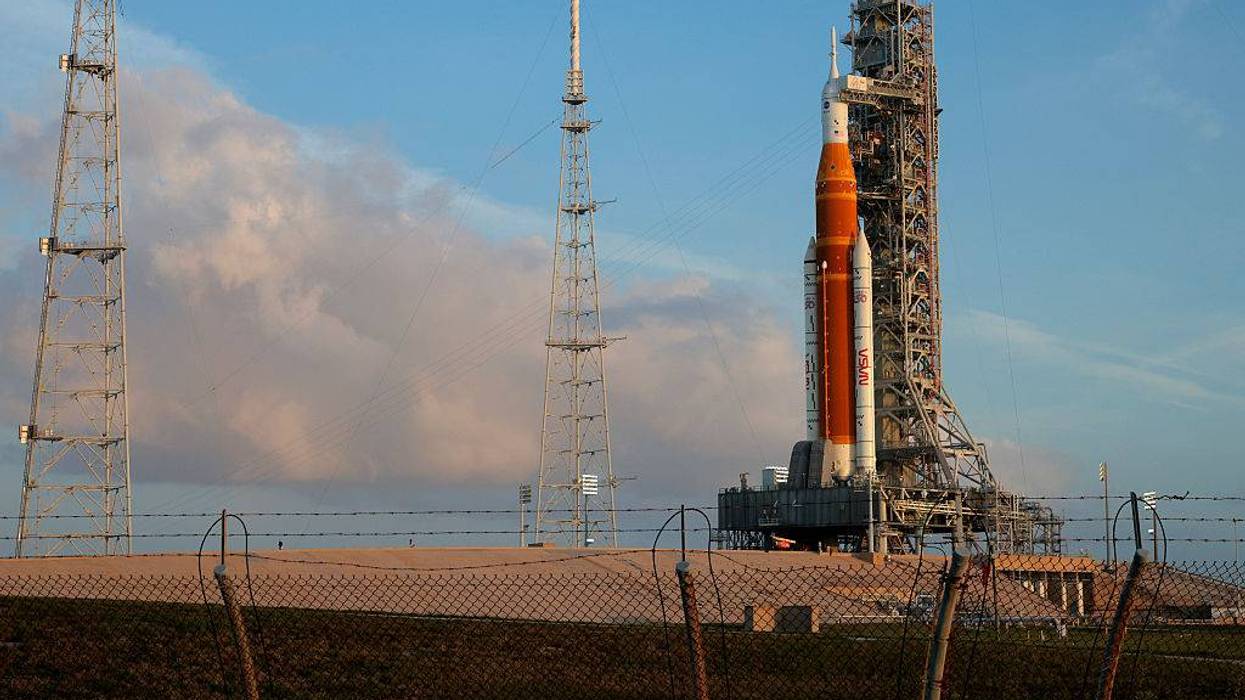

We're going back to the moon! The earliest possible launch of the Artemis II mission to bring four astronauts around the moon and back is tonight, and the rocket and capsule that will take them there was built here in New Orleans.
The massive Space Launch System's core stage was put together at Michoud, and so was the Orion crew capsule.
NASA scientist Barbara Cohen told WWL that unlike the Apollo missions, the invention of the Internet will allow the public to watch this mission pretty much around the clock.
"There will be coverage every day," she told WWL's Dave Cohen "Tons of cameras, like two dozen camera inside and outside that mission. you'll be able to see the crew doing their thing."
Cohen said the many questions we have about the moon can best be answered by spending extended time on the moon.
"What is this like, what is that over there? How did that form? How did the moon come to be the way that it is?" said Cohen.
This mission will just fly around the moon. The next Artemis mission will also be a test, and then Artemis IV, tentatively set for early 2028, will put humans back on the lunar surface.
The earliest launch window starts at 5:24 p.m. Central Time.


