

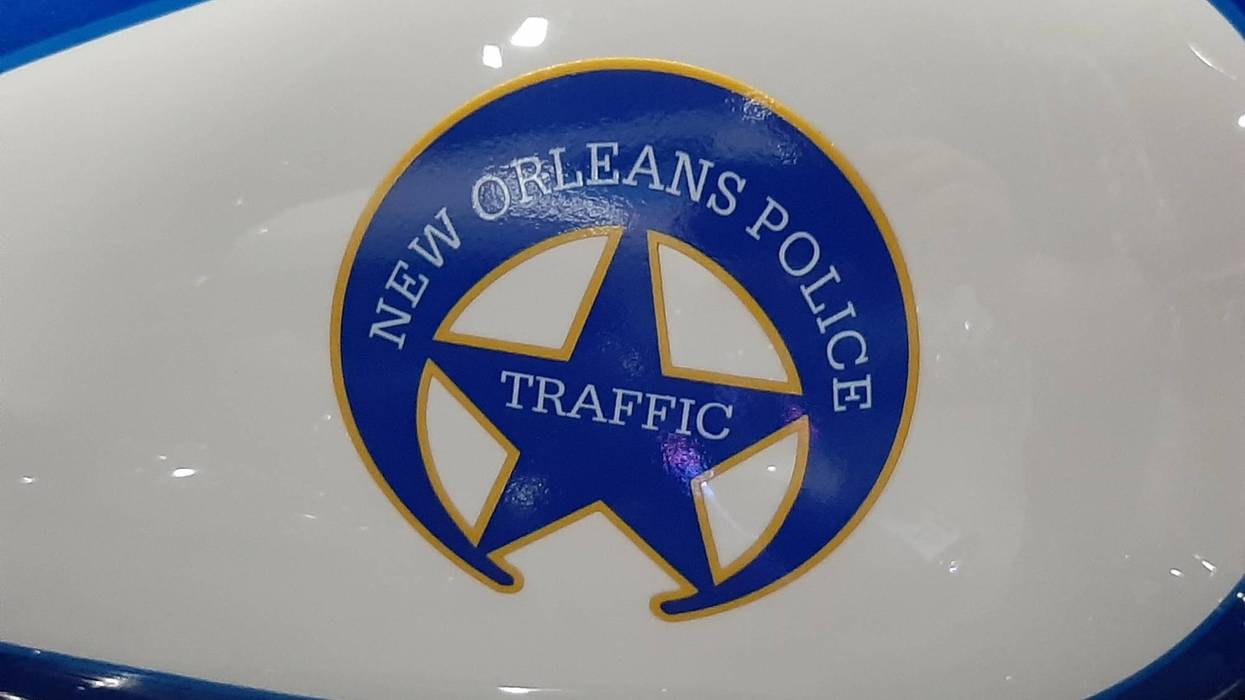

Crime is down across the board in New Orleans, according to the latest numbers from NOPD. But residents could soon notice more traffic enforcement as the department has more capacity to focus on proactive policing.
Rafael Goyeneche, president of the Metropolitan Crime Commission, says traffic stops are an important tool for officers because they can help identify people wanted for more serious crimes.
“It’s not just about generating revenue and issuing tickets,” Goyeneche said.
He says NOPD has spent the past several years dealing with a shortage of officers and an overwhelming number of calls for service. That left little room for proactive policing, including traffic enforcement.
“Calls for service means that a crime has already been committed,” Goyeneche said. “Police don’t have to wait for someone to dial 911.”
Goyeneche says officers conducting traffic stops may discover that a driver has an outstanding felony warrant or is carrying illegal drugs or a gun.
Those stops can give police an opportunity to take violent and repeat felony offenders off the streets before they become involved in another crime.
NOPD Superintendent Anne Kirkpatrick announced earlier this year that the department would increase traffic enforcement. Goyeneche says the move is an acknowledgment that the department now has more room to engage in proactive policing as crime declines.
The effort builds on the work of Troop NOLA, which has been conducting traffic and drug enforcement in New Orleans for the past two years. Unlike traditional patrol officers, Troop NOLA does not respond to 911 calls and instead focuses on proactive enforcement.
Goyeneche says those efforts have resulted in felony arrests in addition to traffic violations.
He says NOPD's increased traffic enforcement is not intended simply to generate money through tickets.
“The reason that they’re doing it is, it’s part of the effective strategies of policing to identify violent and repeat felony offenders,” Goyeneche said.
For drivers, the increased enforcement could also have an unintended benefit: safer roads.
Goyeneche says that after years of relatively limited traffic enforcement, drivers may have become accustomed to getting away with speeding or other violations.
“I think that there will be fewer traffic accidents,” he said. “The public is now going to realize that’s part of the police department’s strategy.”
He says increased enforcement could encourage people to drive more carefully, while also helping police identify people wanted for more serious offenses.
So while drivers may not welcome seeing police lights in the rearview mirror, officials say more traffic stops could be one sign that NOPD has moved from simply responding to crime toward having more opportunities to prevent it.