


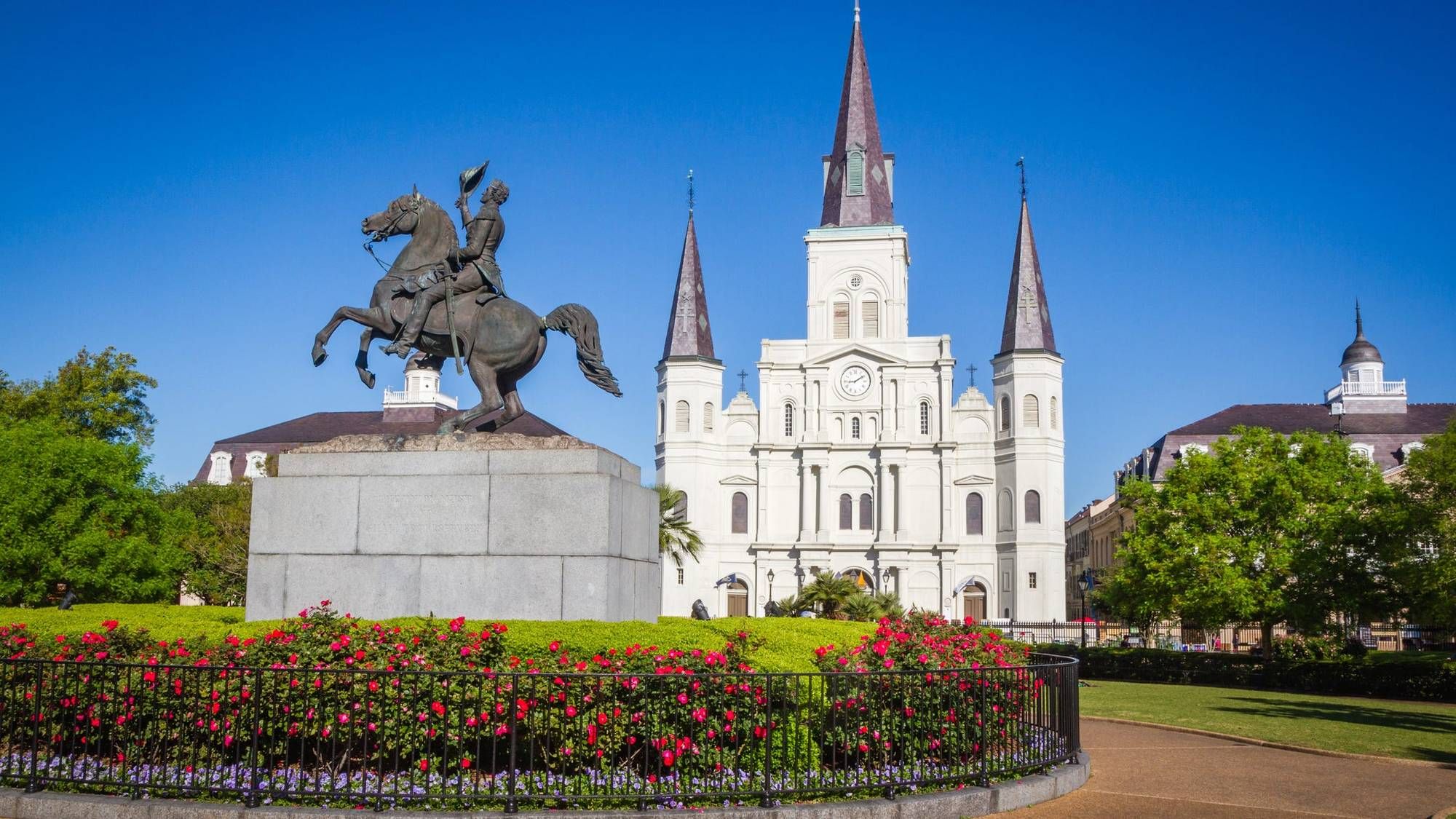
The coronavirus pandemic has been with us a full year now -- it was this day in 2020 the first case was confirmed in New Orleans.
New Orleans Director of Health Dr. Jennifer Avegno says prior to that first case, public health agencies had been preparing for the coronavirus, which was already spreading fast in other parts of the world, but they still weren't prepared for what hit them.
"Much planning, across the country, had gone into sort of that 'classic' scenario of the one person that comes from somewhere else with the infectious disease, and they infect a couple of people going up and down Bourbon Street, and then if you can just track them down and track down their contacts, then you can stave off the pandemic," Dr. Avegno said. "What we did not know, what no one knew at the time was that the virus had been here...and by the time we knew about the first case, we were far behind."
Just weeks later came the stay-at-home order as health care workers struggled to get on top of overwhelmed hospitals.
"We were the leading hotspot in the world in the terms of numbers of cases we had and they were rising," said Dr. Avegno. "That was a very scary place to be."
So what went right, and what could have been done better? Dr. Avegno laments that the mask message got muddled at the very beginning.
"We did not know that we would need to wear masks in the first few weeks," she said. "I wish we had."
However, Dr. Avegno praised the doctors, nurses, and others who powered through the brutal first wave.
"It could have been so much worse," she recalled. "Our health care system just responded, I think we're used to working together in teams, I think we're used to responding to crises and disasters."
The later surges, said Dr. Avegno, weren't as bad for New Orleans, and she said possibly the most amazing success story of the pandemic is the development of vaccines in under a year.
"I would not have believed you if last March or April you had told me we'd have three highly effective, incredibly safe vaccines that at this point have been given to over 60 million people with no major significant side effects," she said. "That just seems like the happy ending to the movie, that wasn't going to come."
But that happy ending isn't here yet, she cautions. Health officials are warning there could be a fourth surge if people get complacent.
"That's why the CDC and other public health experts are urging states and municipalities to be cautious when opening up," she said.