





EVANSTON, Ill. (WBBM Newsradio) – An unexplained soreness near her armpit prompted Jessica Ciupka to see her doctor in January. At 30, with no family history of breast cancer, she did not expect the diagnosis that followed.
Her doctor found a lump in her left breast and additional lumps near her armpit. A diagnostic mammogram, ultrasound and biopsy at Northwestern Medicine in Evanston revealed stage 3 triple-negative breast cancer.
“We do not have breast cancer in our family whatsoever,” Ciupka said. “So I almost was like, where did this come from?”
Now 31, Ciupka is sharing her experience on National Mammography Day to encourage others to recognize changes in their bodies and seek care.
The diagnosis interrupted plans to buy a home with her boyfriend, marry and have children.
“Being 30 years old at the time, when I found out I had plans for my life,” she said. “And that all had to be put on hold.”
Before beginning cancer treatment, Ciupka underwent fertility preservation, including hormone injections and an egg retrieval procedure. She then received more than six months of chemotherapy, along with immunotherapy, and underwent a bilateral mastectomy, according to Northwestern Medicine.
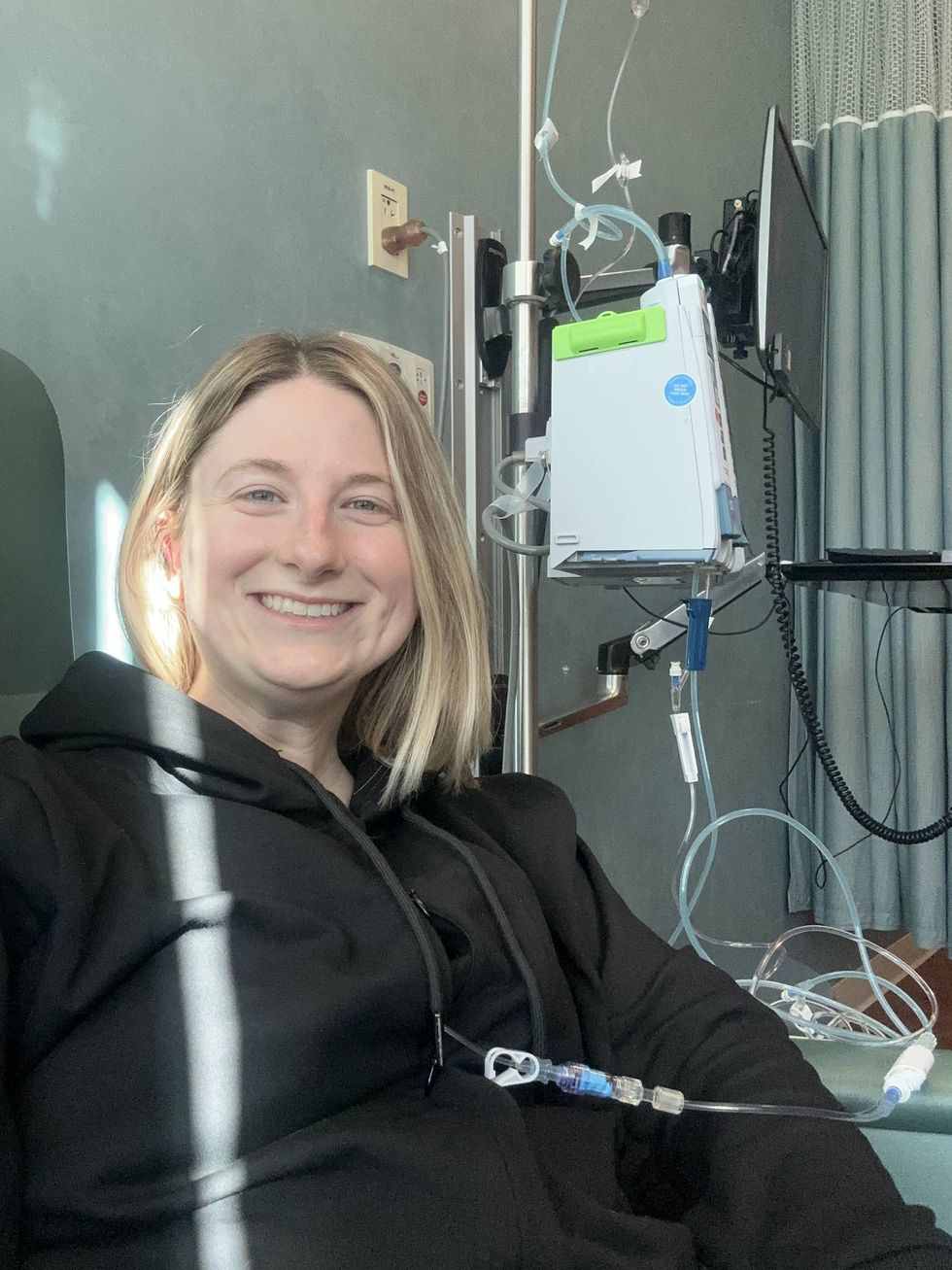
Jessica Ciupka's first round of chemotherapy
Northwestern Medicine
Dr. Sonya Bhole, a breast radiologist at Northwestern Medicine, said Ciupka responded appropriately to a symptom that felt unusual for her.
“We tell patients that everyone should know what’s normal for you. Then you can recognize when something is not normal,” Bhole said.
Bhole said younger women should not dismiss concerning changes because they have not reached the age for routine screening.
The American College of Radiology and Society of Breast Imaging recommend breast cancer risk assessments by age 25, Bhole said. Those assessments consider factors such as family and reproductive history to help determine when screening should begin and whether additional imaging may be appropriate.
“Now I want to clarify that doesn’t mean everyone needs a mammogram by 25 or everyone needs imaging by 25,” Bhole said. “Everyone needs to get risk assessed.”
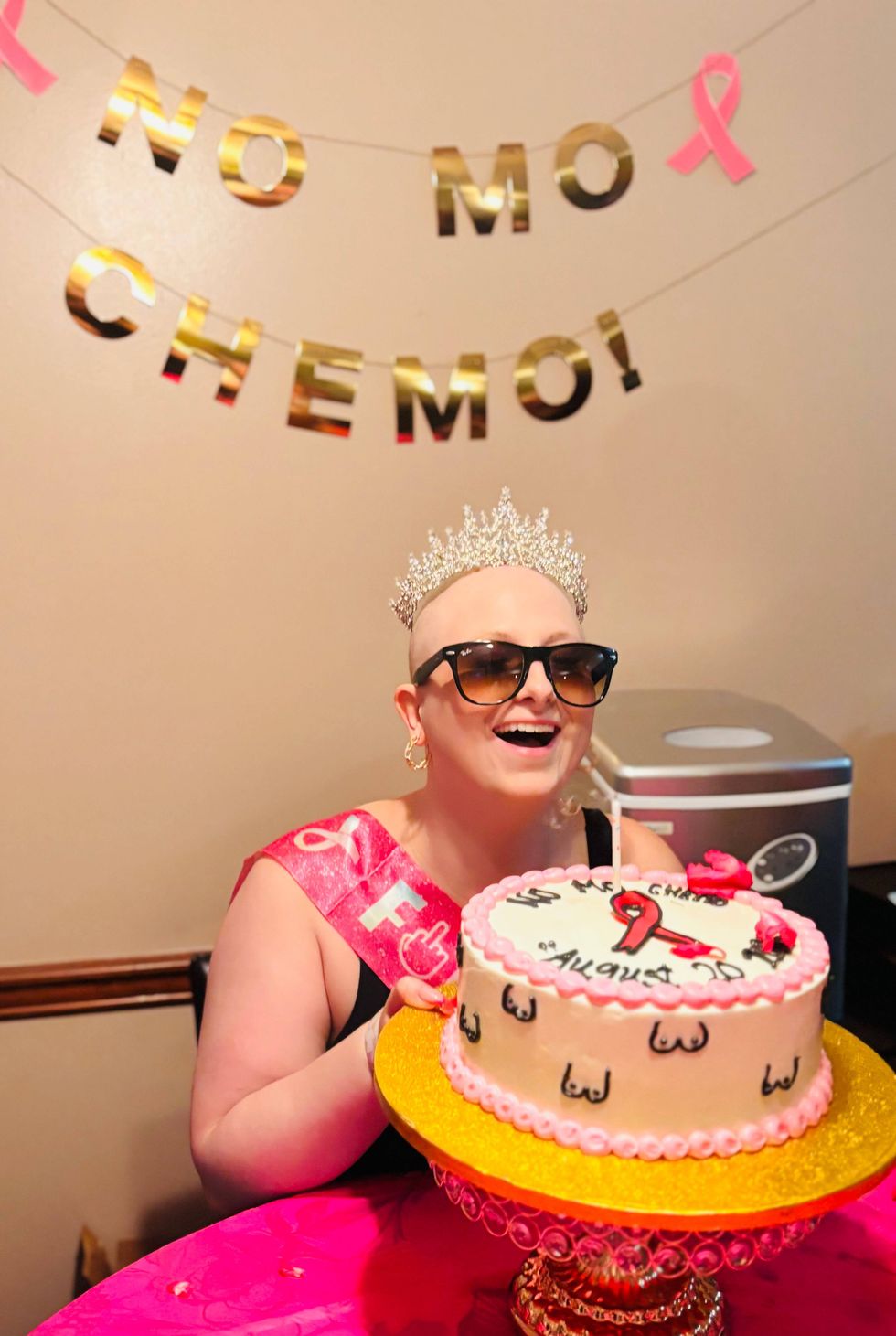
Jessica Ciupka celebrates the end of her chemotherapy treatment
Northwestern Medicine
Ciupka hopes her experience encourages others to keep asking questions when something does not feel right.
“Go get checked, advocate for yourself, keep talking to your doctors because someone will listen,” she said.
At a follow-up appointment this week, she received news worth sharing: After treatment, she is now cancer-free.


