

NEW YORK (1010 WINS/WCBS 880) – The MTA gave final approval on Wednesday to the congestion pricing plan that will charge many drivers an extra $15 and trucks even higher tolls to enter the busiest part of Manhattan—tolling that could begin as soon as June.
The plan passed in an 11-1 vote. David Mack, executive director of the Long Island Contractors' Association, was the only member to vote against it.
The meeting started with an hour of public comment, followed by discussions from each board member. Then, the MTA leadership voted.
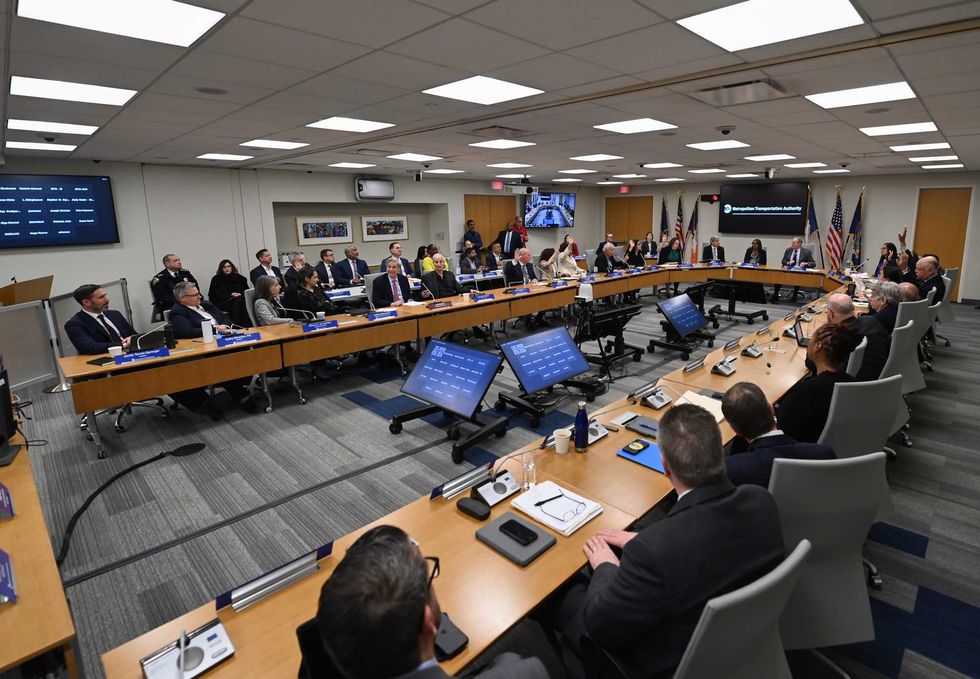 The MTA Board votes to adopt Central Business District toll rates during its monthly meeting at MTA Headquarters on Wednesday, Mar 27, 2024.Marc A. Hermann / MTA
The MTA called the approval a "historic day" and said it will reduce traffic and pollution while providing critical transit funding. "We're ready for the next steps, and expect to implement the program soon."
Under the plan--which is the first of its kind in the nation--passenger cars and small commercial vehicles entering Manhattan south of 60th Street during daytime hours will be charged $15 electronically. However, drivers without E-ZPass will pay $22.50.
The fee for small trucks will be $24, while large trucks will be charged $36. The MTA can also charge an extra 25% on Gridlock Alert Days, when traffic is especially bad in Midtown.
New Jersey Gov. Phil Murphy, who has pushed back against the plan, reacted to the news: "This is far from over and we will continue to fight this blatant cash grab. The MTA's actions today are further proof that they are determined to violate the law in order to balance their budget on the backs of New Jersey commuters. We will continue to avail ourselves of every option in order to protect residents on this side of the Hudson from an unfair tolling scheme that discriminates against New Jerseyans, especially lower and middle-income drivers."
City Council Member Robert Holden also slammed the vote, saying: "The MTA Board's approval of congestion pricing is a blatant assault on every New Yorker who's already struggling to get by. It's a disgusting cash grab that punishes our most vulnerable—those with no choice but to commute from transit deserts. This isn't just a policy failure; it's an act of war on the working class. Mark my words: we're taking this fight straight to the courts. See you there."
Several lawsuits have been filed against the congestion pricing plan. Those supporting the plan, like Danny Pearlstein, policy and communications director of Riders Alliance, told 1010 WINS that "the only thing in the way of congestion pricing is the drivers who are wealthy enough to file a lawsuit, but don't want to pay their fair share. It's time to withdraw the suits and get with the decongestion program."
According to the plan, the Traffic Mobility Review Board, a New York state body charged with advising the MTA on the tolls, includes discounts for travel between 9 p.m. and 5 a.m. and for frequent low-income drivers. Government vehicles such as municipal garbage trucks will be exempt.
Taxi drivers will pass a $1.25 surcharge onto their passengers for entering the congestion zone, while app-based ride-hail passengers will see a $2.50 surcharge. Opponents that include cabbies have pushed for a full exemption.
The MTA also decided that certain vehicles, including school buses, some commuter buses, and parts of the city fleet, will be exempt from the congestion pricing plan.
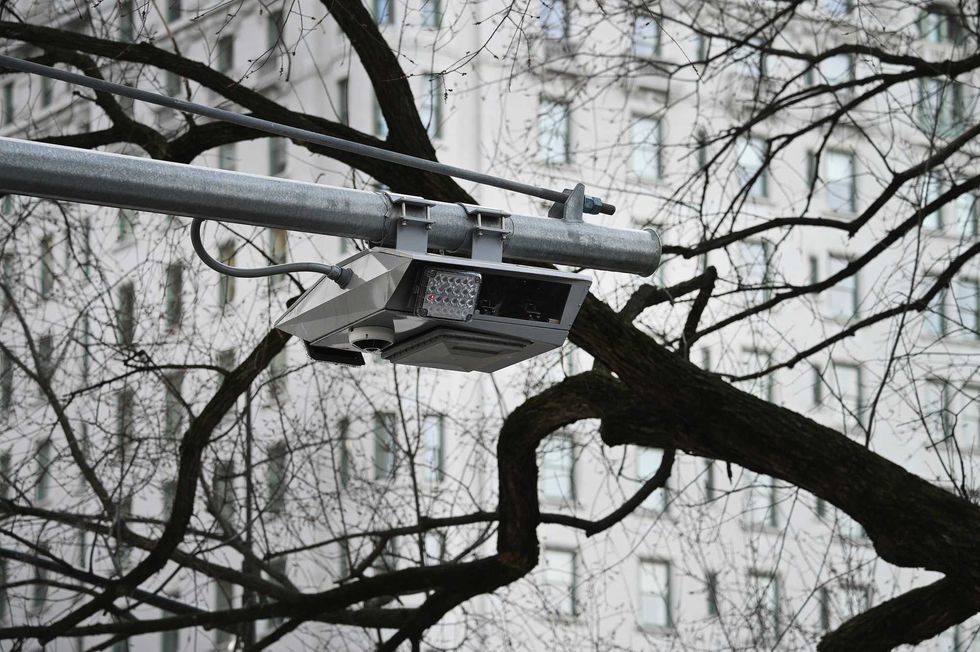 A gantry supporting license plate and E-Z Pass readers is set up across Fifth Avenue at 60th street in Manhattan on March 1, 2024.Anthony Behar/Sipa USA
Exemptions from congestion pricing include authorized emergency vehicles, vehicles for people with disabilities, transit buses, and specialized government vehicles like street sweepers, according to the MTA's website.
"The MTA will bring congestion pricing toll rates to a vote this week, tied closely to Traffic Mobility Review Board recommendations, with certain clarifications that include items raised by the City of New York and others," said Juliette Michaelson, deputy chief of policy and external relations for the MTA.
The MTA argued that the revenue from the tolls, projected to be roughly $1 billion annually, will be used to finance borrowing to upgrade the city's mass transit systems. Officials have also said it would improve air quality and reduce traffic.
Gov. Kathy Hochul had praised the proposal last December in a statement, saying she'd worked to bring the toll rate down from the initial high of $23.
"Congestion pricing means cleaner air, better transit and less gridlock on New York City's streets and today's vote by the MTA Board is a critical step forward," Hochul said. "The proposal approved today heeds my call to lower the toll rate by nearly 35 percent from the maximum rate originally considered. This initiative will make New York City a global leader in transportation policy, and I'm grateful for the work of the Traffic Mobility Review Board to bring us to this milestone."
The Associated Press contributed to this report.