




NEW YORK (BLOOMBERG) -- New York City is banning hidden hotel fees as a way to lower costs for visitors as the city prepares for an influx of tourists during the World Cup.
The new rule, adopted by the Department of Consumer and Worker Protection, bars hotels from charging mandatory resort, destination or service fees unless they are clearly included in the advertised room price. It also requires hotels to disclose credit card holds and deposits upfront, a provision city officials said would protect travelers whose available credit can be sharply reduced during a stay.
"Under this rule, if you check out and suddenly there's a fee you didn't see before, that's illegal," said Samuel A.A. Levine, the consumer and worker protection commissioner, in an press conference on Wednesday.
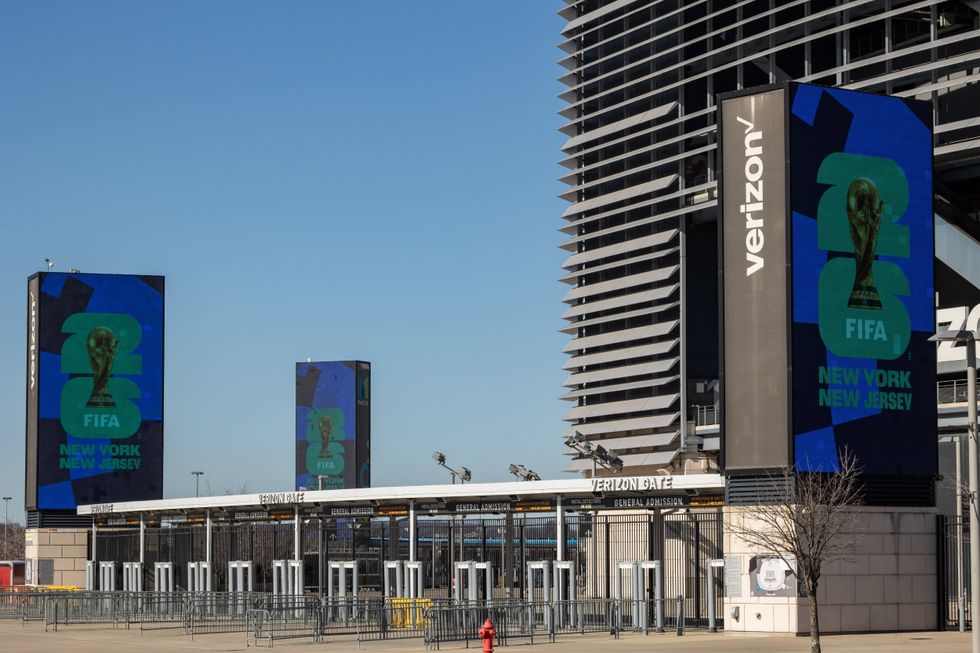 FIFA signage at MetLife Stadium in East Rutherford, New Jersey.Yuki Iwamura/Bloomberg
The FIFA World Cup, hosted across North American cities this summer, is expected to bring more than 1.2 million visitors to the New York, New Jersey region, according to a report analyzing the economic impact of the tournament. The tourism boom is expected to lift hotel prices in the host cities by an average of 300% around opening matches, the New York Times has reported.
Mayor Zohran Mamdani focused his campaign on affordability platform, with aims to crack down on extra costs that burden consumers and penalize service workers. Earlier this month, city officials accused food-delivery companies of using app designs that reduced drivers' tip earnings by an estimated $550 million and warned delivery platforms to comply with pay and transparency rules.
The hotel fee policy was first proposed under former Mayor Eric Adams but was finalized and made enforceable this week. It gives the city new authority to penalize hotels and booking platforms that use drip pricing, in which mandatory charges appear only late in the booking process.
The rule's reach extends well beyond hotels physically located in New York City. Under the new standard, any hotel or booking site that advertises a room price to New York City consumers must include all mandatory fees in the displayed price, even if the hotel itself is located elsewhere.
For example, a hotel in California or abroad that appears on a booking site viewed by New Yorkers could face penalties if it advertises a nightly rate that excludes certain fees.