



We had a brief rush with summer over the weekend, and though it will cool down this week, warmer weather is on its way. Fast.
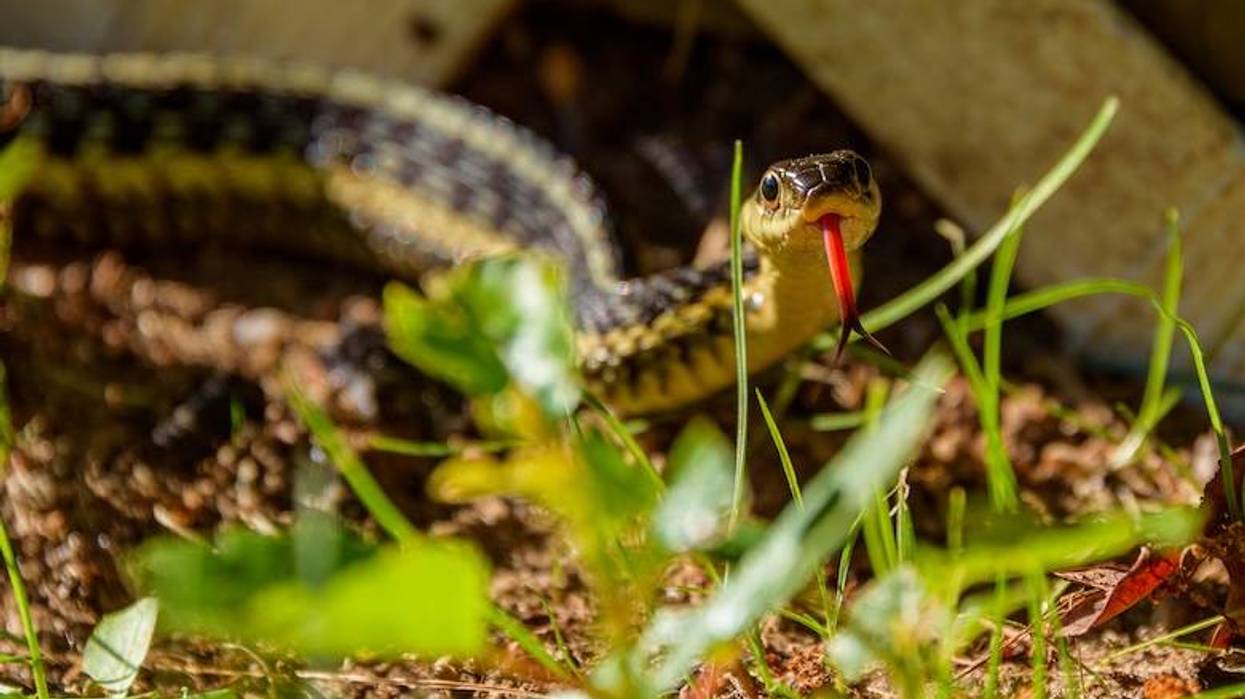
As such, something else is emerging, having gone dormant for the cold winter months: snakes.
Experts are warning snakes are starting to emerge all over North Texas, as they do this time every year when the weather turns warm.
The ones we really need to be wary off are the venomous snakes that call Texas home, including:
Copperheads, which are most common in the state and inflict more bites than any other species of snake. They give no warning signs and strike at will.
Cottonmouth snakes, otherwise known as water moccasins, who are the only venomous snake that spends time in the water. Though they are venomous, they rarely bite humans and usually only do so when provoked.
Western diamondback rattlesnakes. Besides the armadillo, the rattlesnake might be the most common animal associated with Texas. You hear them before you can see them, and though the venom of most diamondback rattlesnake species tends to be less toxic than that of other rattlesnake species, they can inject large amounts into victims, making their bites quite dangerous.
And the Texas Coral Snake. Venomous, though not necessarily aggressive, experts warn these should be viewed at from a distance. Its venom is a neurotoxic affecting the respiratory and nervous system of an animal.
According to NBC DFW, here’s what you should do if you ever encounter a snake in the wild:
-Stay calm: Moving too fast can cause the reptile to react and bite your lower body.
-Keep your distance. If you hear rattling, move away from the area.
-Keep your lawn cut low and remove brush or debris.
And in the event you are bitten by a snake, you should take these steps:
-Seek medical attention immediately (dial 911 or call local Emergency Medical Services [EMS]). Antivenom is the treatment for serious snake envenomation. The sooner antivenom can be started, the sooner irreversible damage from venom can be stopped. Driving oneself to the hospital is not advised because people with snakebites can become dizzy or pass out.
-If possible, photograph the snake from a safe distance. Identifying the snake can help with the treatment of snakebite.
-Keep calm.
-Inform your supervisor.
-Apply first aid while waiting for EMS staff to get you to the hospital. Lay or sit down with the bite in a neutral position of comfort. Remove rings and watch before swelling starts. Wash the bite with soap and water. Cover the bite with a clean, dry dressing. Mark the leading edge of tenderness/swelling on the skin and write the time alongside it.
LISTEN on the Audacy App
Sign Up and Follow 100.3 JACK-FM
Facebook | Twitter | Instagram


