



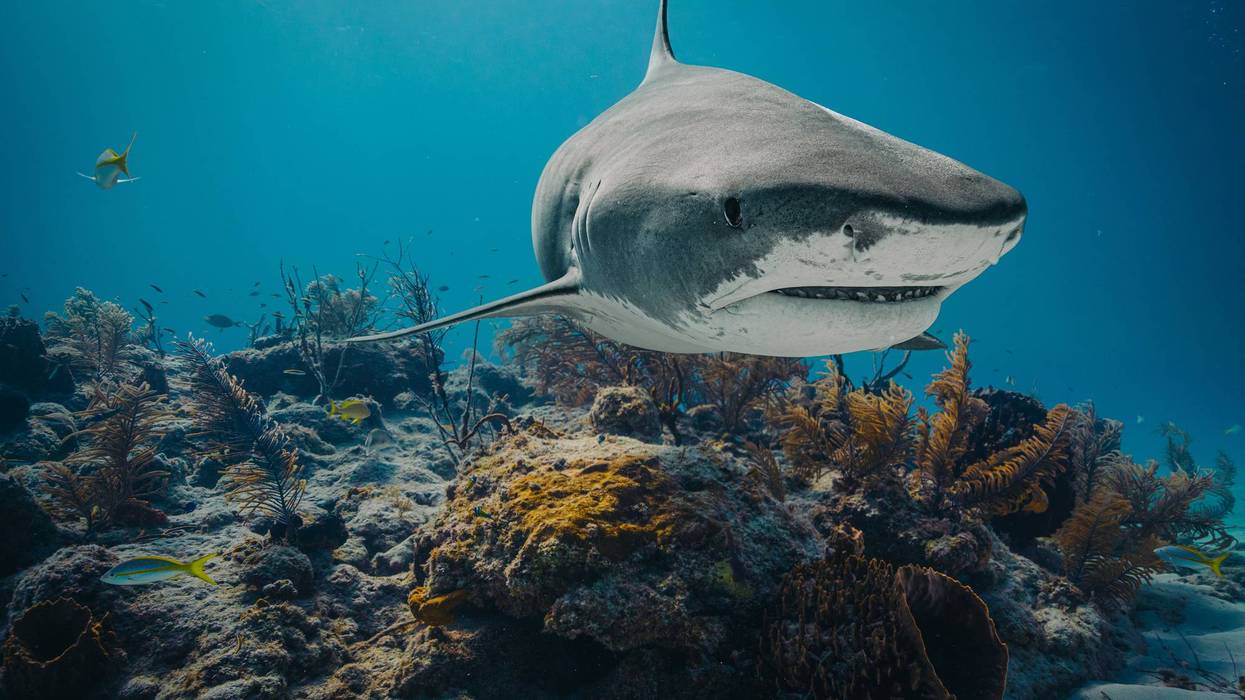

Cocaine-fueled sharks are cruising the waters around the Bahamas and it could be impacting their heath, according to a new study published in the Environmental Pollution journal.
“Pharmaceuticals and illicit drugs are increasingly recognized as contaminants of emerging concern (CECs) in marine environments, particularly in areas undergoing rapid urbanization and tourism-driven development,” said the study authors.
In 2023, Audacy reported on French authorities finding 850 kilograms of cocaine washing up on a beach, for example. Authors of the new study said potential of exposure to these contaminants in the Bahamas – islands located in the Caribbean Sea – has been “largely unexplored.”
To get a better idea of how contaminants might be impacting marine life in the area, the researchers looked into the occurrence of cocaine and several other CECs. These included: acetaminophen, benzoylecgonine, caffeine, carbamazepine, ciprofloxacin, citalopram, clindamycin, diclofenac, fipronil, fluoxetine, nimesulide, piroxicam, sertraline, sulfamethoxazole, triclosan, trimethoprim and tramadol.
Additionally, the researchers analyzed potential associations of these contaminants with physiological systemic health markers. These markers included: triglycerides, total cholesterol, urea, phosphorus, and lactate in the serum of five shark species sampled from nearshore habitats in Eleuthera Island in the Bahamas.
Tiger sharks, blacktip sharks, Caribbean Reef sharks, Atlantic nurse sharks and lemon sharks were in the study cohort. Out of these, Caribbean Reef sharks, Atlantic nurse sharks, and lemon sharks had cocaine, diclofenac, acetaminophen, and caffeine detected in their serum at varying concentrations.
“Furthermore, sharks with detectable CECs exhibited triglyceride, urea, and lactate alterations in comparison to those where these contaminants were not detected,” said the study authors. “This represents the first report concerning CECs and potentially associated physiological responses in sharks from The Bahamas, pointing to the urgent need to address marine pollution in ecosystems often perceived as pristine.”
Steve Rolles of the U.K.-based Transform Drug Policy Foundation joined Audacy back in 2023 discuss the dangers of marine drug dumping. He said that in large enough amounts drug exposure could be deadly.
“If you eat a kilo of cocaine – if any animal eats a kilo of cocaine – you will die very quickly,” Rolles told Audacy’s “Something Offbeat” podcast.