


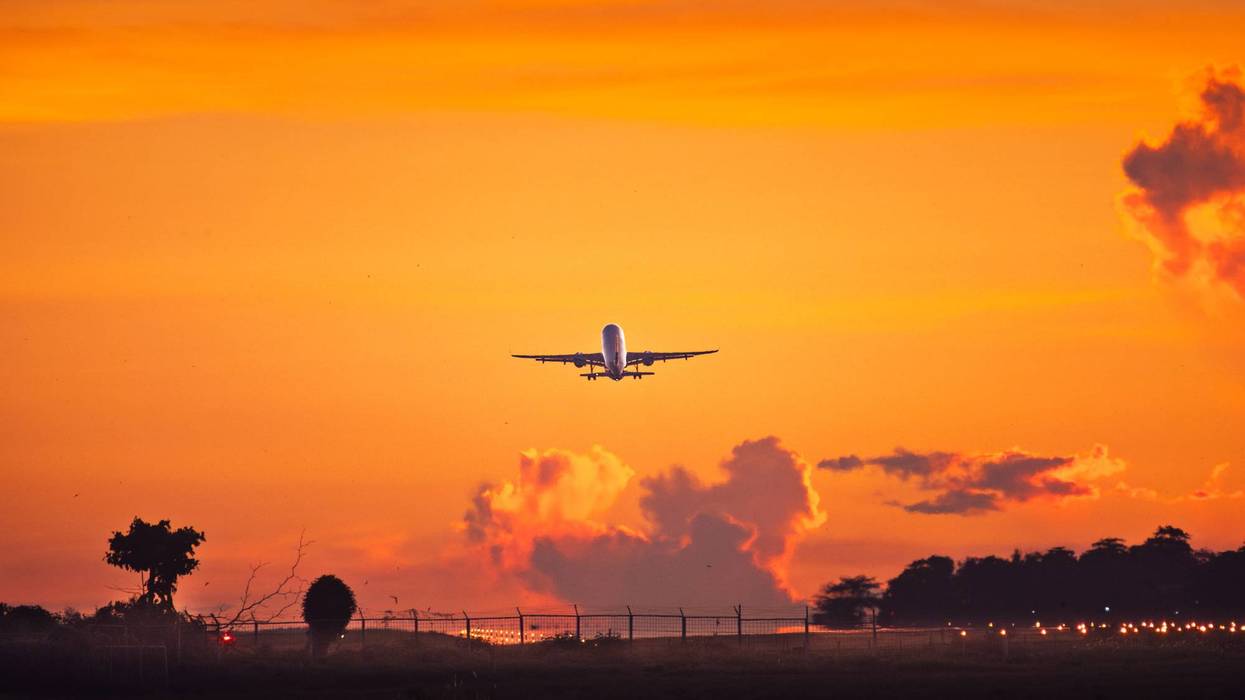

Record-breaking heat is causing challenges for air travel.
Why is that?
It turns out that as climate change forces temperatures higher, that increased heat reduces air density, affecting lift and thrust, leading to weight restrictions for takeoff.
And that has a cascading effect as airlines try to wring every penny out of their manifests during surging gas prices.
Fuller flights and tight schedules leave airlines with less flexibility to handle last-minute weight reductions, resulting in delays or offloading of passengers, cargo, or fuel.
Experts warn it'll only get worse because climate change is expected to increase the frequency of heat-related disruptions in the future.
That could affect airports worldwide and prompt airlines to consider fleet choices and schedule adjustments to mitigate the impact of extreme heat on operations.
As an example, the AP cited how American Airlines offered compensation to customers who voluntarily gave up their seats on a July 24 flight from Harry Reid International Airport in Las Vegas after temperatures reached 114 degrees.
The air was basically too hot for the airplane to take off with the number of passengers who had bought seats.
“There is a science behind all this,” Ross Aimer, a retired United Airlines captain and CEO of Aero Consulting Experts, told the AP. “You can’t deny the science of flight and what it takes for an airplane to operate.”