

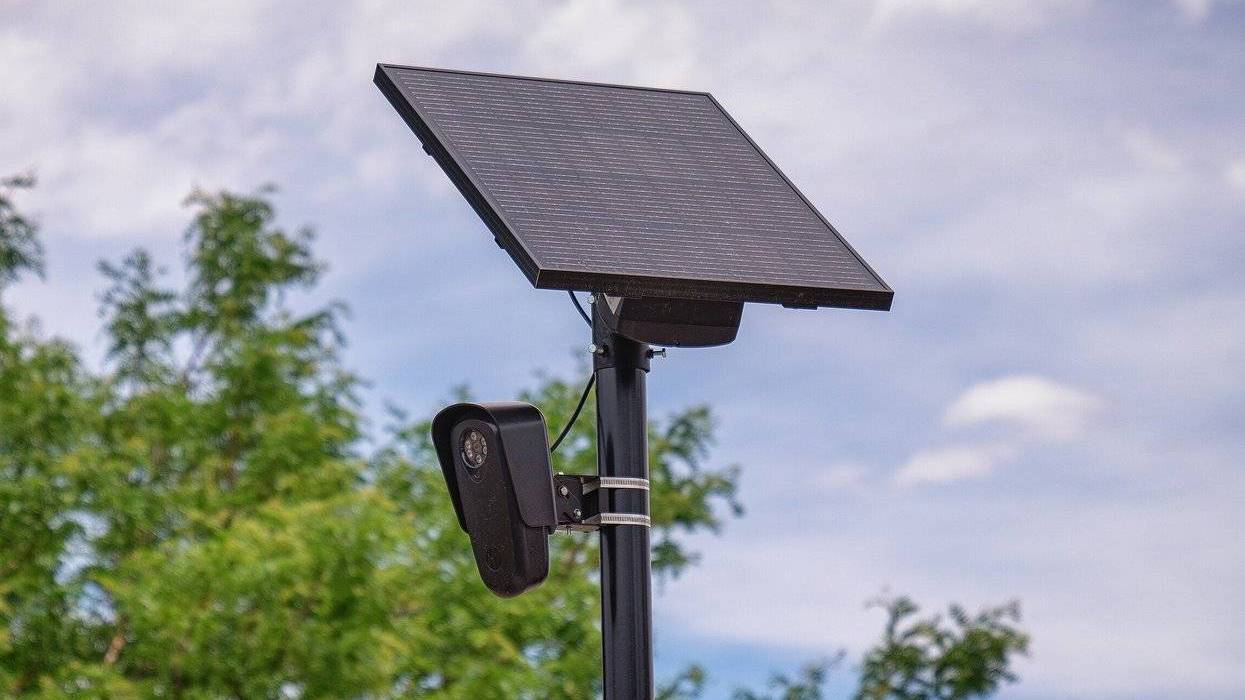

Flock Safety automated license plate recognition cameras are now a common feature on streets throughout the Dallas-Fort Worth area, with police departments deploying them to assist in criminal investigations.
Local agencies in Dallas, Fort Worth and surrounding cities have installed hundreds of the AI-powered cameras, which scan license plates, vehicle make, model, color and other visible details like bike racks or trailers. The technology alerts officers to stolen vehicles or cars linked to active warrants. Data is typically retained for 30 days by default, and searches are logged for oversight.
Dallas Police Department operates more than 600 Flock cameras. Fort Worth Police has over 200, with recent expansions that also include automated gunshot detection sensors in select neighborhoods. DeFlock, a mapping project, has tracked more than 3,000 such cameras across the broader DFW region as of early July 2026. Other cities including Plano and McKinney also use the system.
Police departments credit the cameras with helping solve cases quickly and recovering stolen property. Fort Worth Police has partnered with Flock Safety on a Community Camera Program that allows residents to register private cameras for potential use in investigations.
Critics, including the ACLU and local groups like El Movimiento DFW, argue the widespread deployment creates a “surveillance state” with insufficient oversight. Concerns include potential data sharing with federal agencies, risks to immigrant communities, and the lack of warrants for routine scans. Petitions opposing the cameras have circulated in Carrollton, and similar systems have faced pushback or cancellations in other Texas cities.
Community reactions remain divided, with supporters emphasizing public safety benefits and opponents highlighting civil liberties issues.
The technology has grown significantly in North Texas since initial deployments around 2020, with further expansions approved in Dallas as recently as 2025.
LISTEN on the Audacy App
Tell your Smart Speaker to "PLAY 1080 KRLD"
Sign Up to receive our KRLD Insider Newsletter for more news
Follow us on Facebook | Twitter | Instagram | YouTube