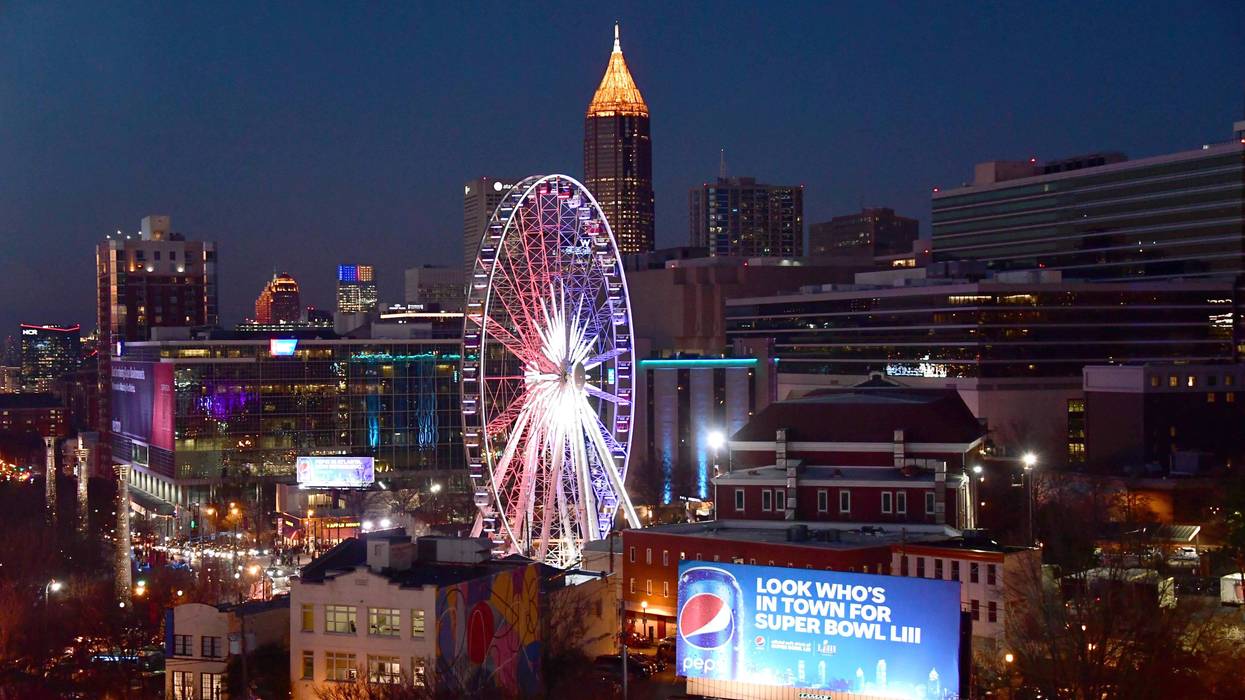



Looks like Atlanta can no longer say that it is the blackest city in the US now that The National Community Reinvestment Coalition (NCRC) has released a new report titled Displaced By Design: Fifty Years of Gentrification and Black Cultural Displacement in U.S. Cities that says otherwise.
According to the study, over the last 50 years, 15% of urban neighborhoods nationwide have shown signs of gentrification. This trend is happening in predominately black neighborhoods and is resulting in full racial turnover.
According to the numbers, between 1980 and 2020, 523 majority-Black neighborhoods experienced gentrification, and of those, 155 went through full racial turnover and changed from majority-Black to majority-white populations.
Cities most affected by racial turnover and Black displacement include Washington, D.C., New York City, Philadelphia, New Orleans, Atlanta, and the San Francisco Bay Area with Atlanta having the second-highest number of neighborhoods that changed from majority-Black to majority-white between 1980 and 2020.
Some of the Atlanta neighborhoods affected include:
● Old Fourth Ward
● East Atlanta
● Reynoldstown
● Kirkwood
● Edgewood
● Grant Park
From 1980 to 2020, Atlanta lost about 22,000 Black residents—the fifth-highest loss among U.S. metro areas.
While the flipping of these neighborhoods and the displacement of black residents is not ideal, there are some very valid pros and cons to Atlanta's gentrification. Check out the lists below!
Pros of Gentrification
1. Economic Revitalization - brings new investment to neighborhoods, leading to improved infrastructure, increased business activity, and rising property values.
2. Reduced Crime Rates - As investment increases and community resources improve, many areas see a decline in crime.
3. Improved Public Services and Amenities - Revitalized neighborhoods may benefit from better schools, parks, transit, and healthcare services due to a higher tax base.
4. Increased Property Values - Homeowners may benefit from increased equity and resale value.
5. Diversification of Neighborhoods- Some view gentrification as a way to promote racial and economic integration in historically segregated communities.
Cons of Gentrification
1. Displacement of Longtime Residents - Rising rents and property taxes often force out lower-income residents and communities of color, leading to cultural displacement.
2. Loss of Cultural Identity - Gentrification can erode the historical and cultural fabric of a neighborhood as new, wealthier residents reshape the community.
3. Widening Inequality - Benefits often accrue to wealthier newcomers, while longtime residents may not see the same gains—or may suffer setbacks.
4. Increased Cost of Living - As neighborhoods gentrify, the overall cost of living (groceries, services, retail) can rise, straining long-term residents.
5. Community Tensions - Social friction can increase between new and existing residents due to differing expectations, norms, and priorities.