




Buffalo, N.Y. (WBEN) - A group of preservationists, Citizens to Save the Great Northern, gathered on the steps of Buffalo City Hall on Thursday to speak out against the emergency demolition of the Great Northern grain elevator in Buffalo's "Old First Ward".
"We are gathered here today to voice our opposition to the emergency demolition order for the historic Great Northern grain elevator," said Associate Professor at the University at Buffalo's School of Architecture, Beth Tauke. "The City of Buffalo owes it to the people of Buffalo to take extra care of our landmark buildings. There is an easy way to do it: Don't demolish until we have independent folks assessing the damage."
The two dozen folks or so gathered at Thursday's rally comprised of people that have a connection to the grain elevators in the City of Buffalo, including the Great Northern. Some of the people on-hand have worked in the grain elevators, written about them, or have been spokespeople for their preservation.
"Buffalo has the most complete collection of grain silo types," said Associate Professor at the University at Buffalo's School of Architecture, Hadas Steiner. "This array has long drawn attention from social and architectural historians, as well as artists and architects worldwide, and this began at the moment of their construction. But among those silos, the Great Northern, with its bun-like exterior and its cylindrical interior, is unique not only locally, but globally as a building type."
Part of the reason for the rally on Thursday by Citizens to Save the Great Northern is to urge the Buffalo Common Council to pass a law placing a 60-day moratorium on demolition of the 1897 structure at the hands of its parent company, Archer-Daniels-Midland.
The preservation group believes the "Landmark" status of the Great Northern "demands an assessment by independent experts," and that the Common Council has the power to grant that allotted time for any assessments.
While the group is aware that the hole in the north wall of the grain elevator needs to be addressed sooner rather than later, the structure presents no clear and present danger to the public.
"All life safety risks, including falling bricks, have been thoroughly documented by ADM and presented back to the city as pre-existing problems, thus, in no way, reasonably constitutes the issuance of the emergency demolition permit bypassing the city's preservation board," said Clinical Assistant Professor at the University at Buffalo's School of Architecture, Greg Delaney. "Yet, despite ADM's abhorrent record as stewards of the Great Northern, this landmark building, the building stands. It is our mission for it to stay standing."
This rally comes on the heels of the Campaign for Greater Buffalo obtaining a temporary restraining order last week from the Fourth Appellate Division court to delay the demolition of the Great Northern.
All parties involved in the case - Campaign for Greater Buffalo, City of Buffalo and ADM Milling Co. - are slated to return to court on Monday, Jan. 24.
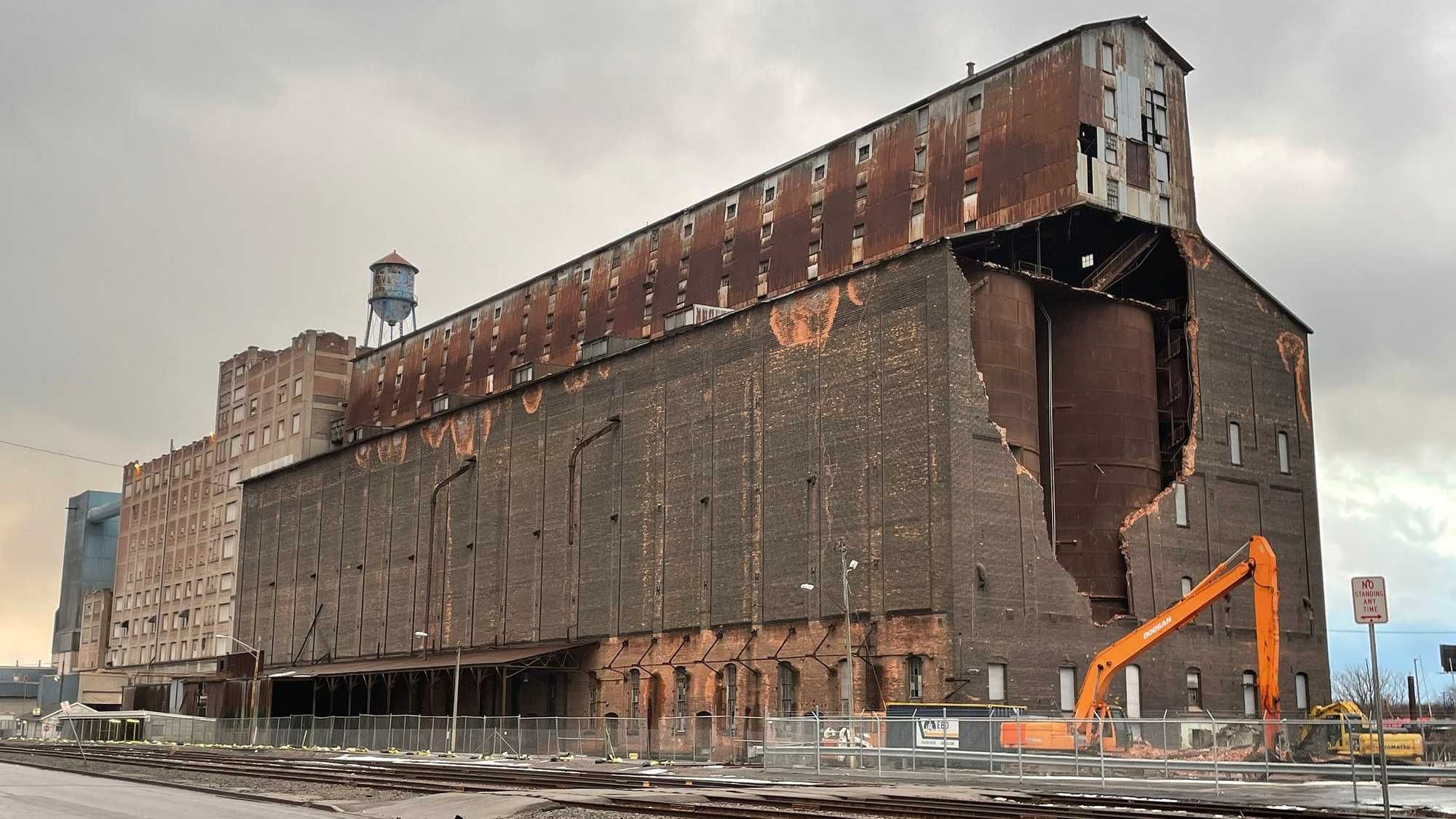
According to the Director of the Campaign for Greater Buffalo, Tim Tielman, the first step for the preservationist group's case is to get a preliminary injunction so the appeal can move forward. The hope is the injunction will allow this case to be heard and deliberated by the court in Rochester.
The Campaign for Greater Buffalo has already taken the City of Buffalo and ADM Milling Co. to court on the basis of the emergency demolition order handed out by Buffalo's Commissioner of Permit and Inspection, James Comerford. It was on Jan. 5 when Justice Emilio Colaiacovo ruled in favor of the City of Buffalo's decision, stating the damage sustained during a Dec. 11 windstorm and the current condition of the Great Northern "renders this decision rather straightforward."
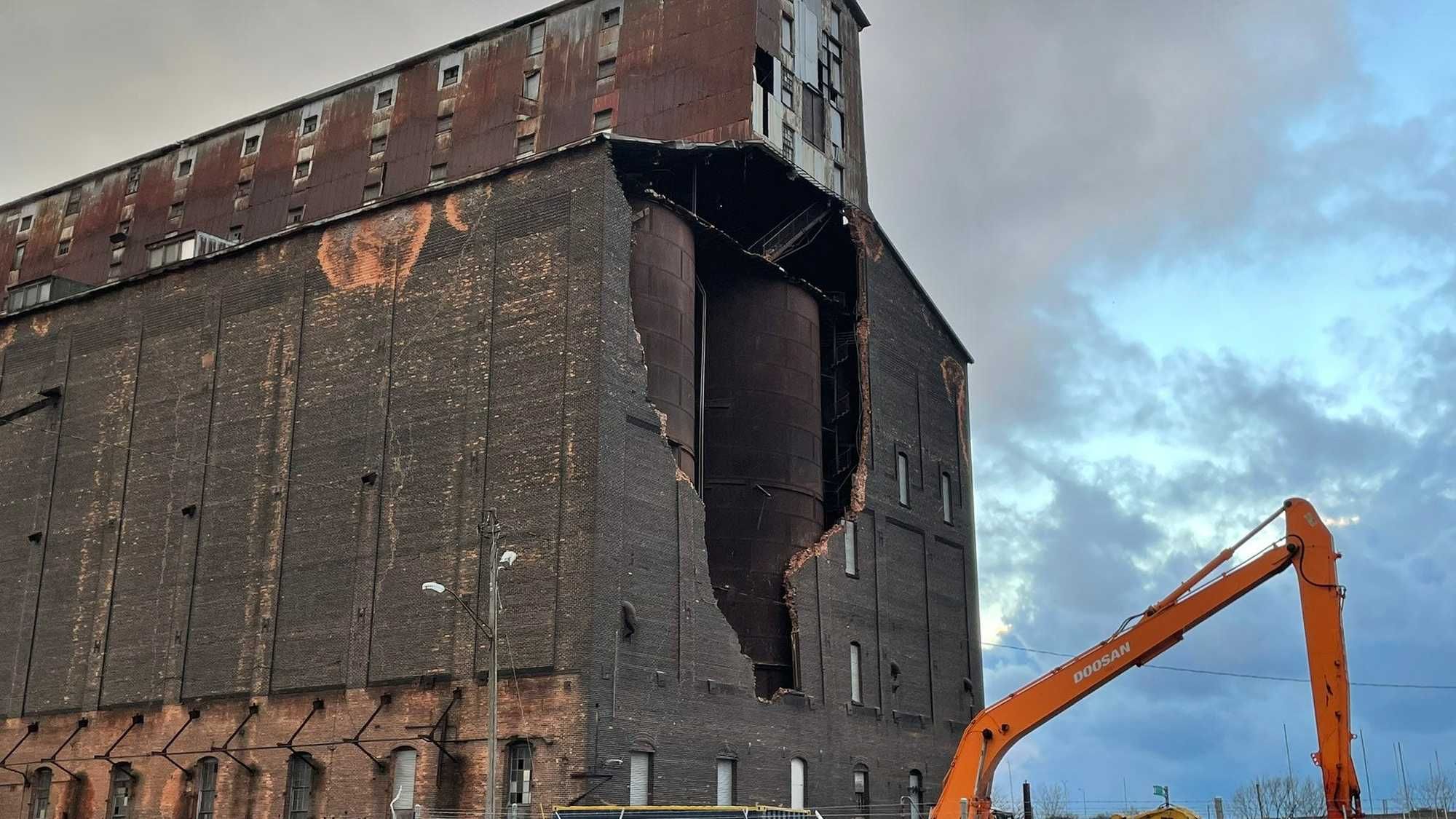
"My opposition to the destruction of this particular building is not about the fetishization of the past. It isn't even driven by the desire to repurpose the structure to serve another end," Steiner said. "Rather my opposition stems from the fact that the destruction of this physical artifact, this archive of material culture, would render a story and a legacy extinct. And along with that, a building typology."