
Under repair and overused, our national web of streets and highways is for the most part worn out and for motorists the meter is running. The National Transportation Research Group TRIP estimates the average motorist wastes 45 hours a year stuck in traffic. Add it all up, and TRIP calculates your lost time and fuel totaled $176 billion last year.
But the toll isn’t limited to time and money. The National Safety Council estimates 40,000 people died on U.S. roads in 2018, a 14 percent increase since 2014. The NSC says someone is injured in a car crash every 7 seconds.
The Break Down: Episode One
Our deteriorating roads also take a toll on vehicles. Drivers describe bone-jarring drops into potholes, and expensive trips to the auto repair shops.
It’s no accident in New York City, for example, that repair and body shops cluster near exits off their biggest source of income: the Cross Bronx Expressway, the Van Wyck Expressway, and the notorious Brooklyn Queens Expressway.
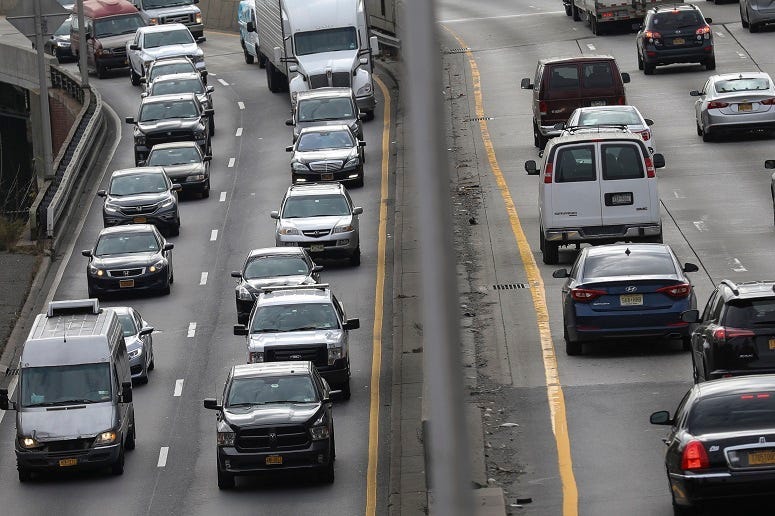
The BQE has reached such a state of disrepair that engineers say it will need to be shut down if its not replaced in a few years.
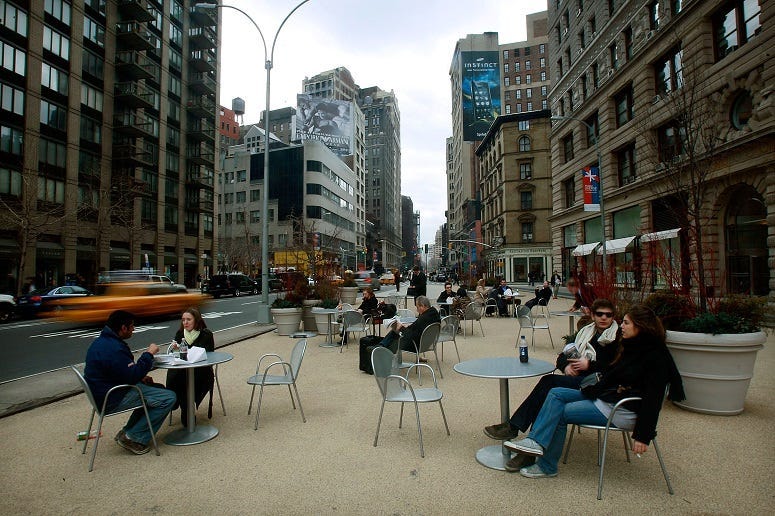
Changing our transportation pattern isn’t easy, nor is it popular. For over six years, Janette Sadik-Khan was in charge of New York City streets as Mayor Michael Bloomberg’s transportation commissioner. She advocated the closing down of busy sections of street in favor of pedestrian plazas, added 400 miles of bike lanes, and implemented a bike share program known as Citi Bike. There were plenty of skeptics, but those changes are now popular parts of New York City life.
While bikes continue to grow as an auto alternative, it comes with a steep price. In 2018, 10 bicyclists were killed on New York City streets. This year, that number of matched by mid May.
Experts say to make city streets safer, we need to eliminate some of the cars. Congestion pricing, increased parking fees make it more expensive and therefore, less desirable to drive. Better roads, safer roads, fewer cars, but it will take a lot more money.