

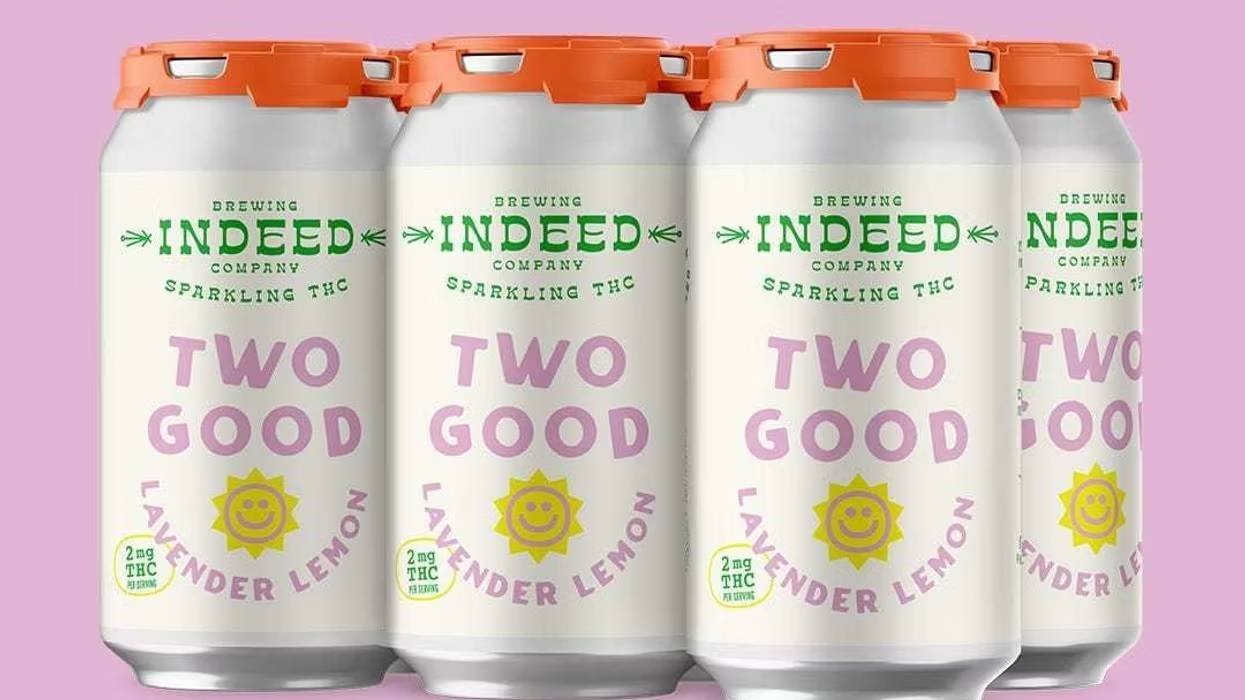

We're less than four months from a federally mandated THC ban that would completely disrupt the beverage industry, and hurt numerous Minnesota businesses.
As part of a government funding package last November, Congress passed a bill enacting a ban on most consumable hemp-derived THC products.
Bob Galligan with the Minnesota Craft Brewers Guild has had previous conversations with Senators Amy Klobuchar and Tina Smith, along with Minnesota U.S. Rep. Angie Craig. He hopes to further those discussions soon.
"We do know that folks in Washington are hearing from us and they are aware of our concerns," Galligan explains. "You know, there are still discussions we're awaiting, hopefully some language that we've been waiting for now for a month or so. But it does sound like it's poised to be introduced and ready to discuss hopefully in the next week or two."
If the ban does go into effect it will mean the loss of thousands of jobs and closure of some breweries.
"The market in Minnesota is about equivalent to winter sports recreation in Minnesota," says Galligan.
That equates to hundreds of millions of dollars.
"If the language does go through and the products become illegal, that doesn't mean the closure of some of these companies, including some of our craft brewers," Galligan adds. "But there's no point in closing them prematurely because a week or two before the ban comes through, there's a possibility that the lights will stay on."
Current state law allows edibles to contain up to 5 milligrams of THC and beverages up to 10 milligrams.
But come November 12, the amount per serving would be reduced to 0.4%.
Senators, including the Republican Majority Leader in 2018, Mitch McConnell of Kentucky, fought for the legalization of hemp in the 2018 Farm Bill but since that time, some Republicans have bemoaned a so-called loophole in the bill that allowed for the creation of hemp-derived intoxicating substances.
But, the measure passed in Washington which for the first time distinguishes industrial hemp grain and fiber from cannabinoid-producing varieties, also puts the market for intoxicating hemp-derived products on notice. Products now have a limited window to operate unless Congress and the industry deliver a real, science-based regulatory solution by November.


