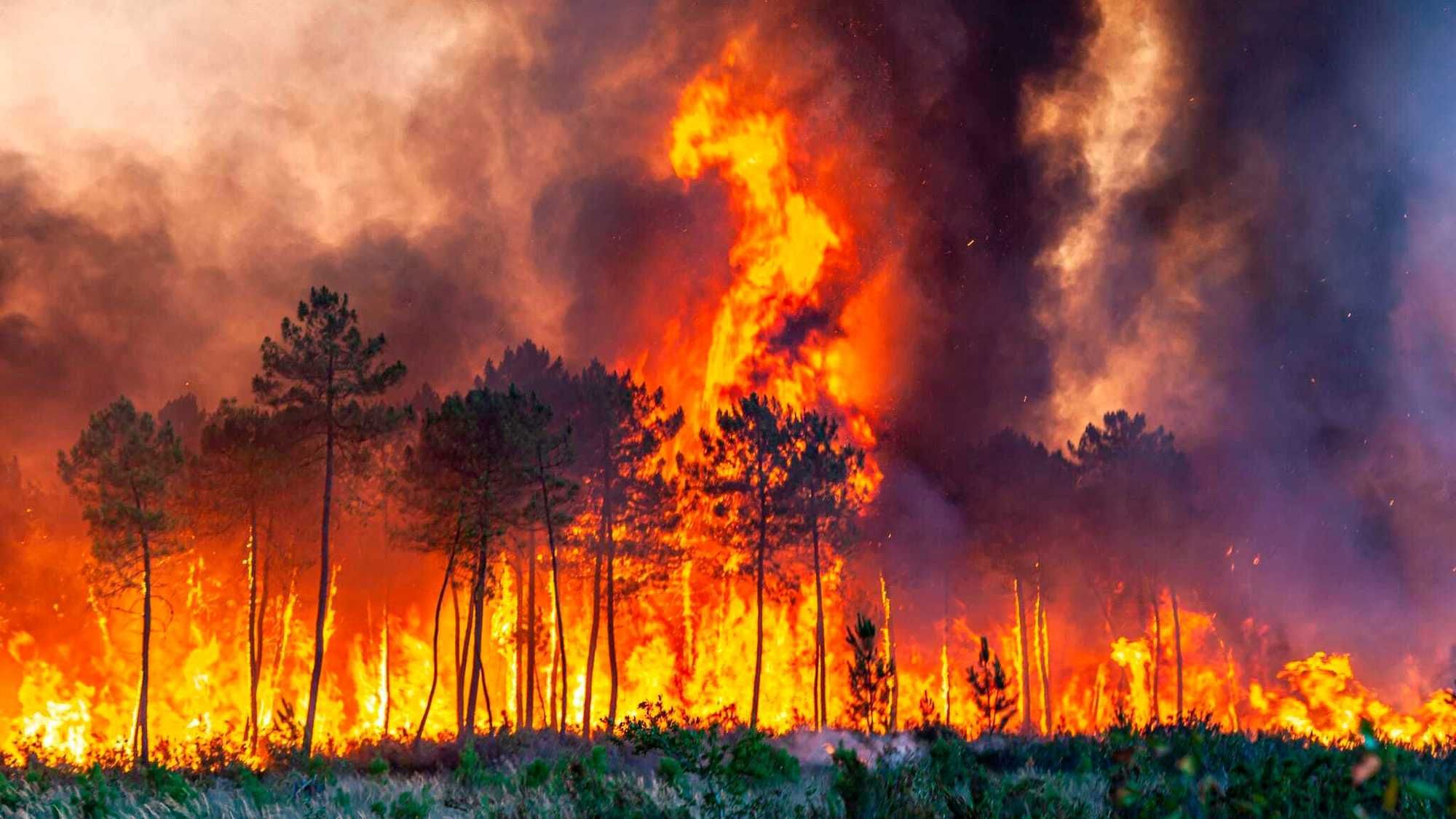


The heat is on this week and it starts with two of the hottest days of the entire summer Monday and Tuesday. Temperatures in the metro area will easily get to the mid-90s according to WCCO Radio Chief Meteorologist Paul Douglas.
There is also enough humidity out there to push heat indexes over 100 especially from the metro and west.
“So we’ll have a heat index of 102, 103 the next couple of days,” says Douglas. “And then, a little bit of relief Wednesday with upper 80s to near 90.”
There is a heat advisory starting Monday at noon through 6:00p.m.
Tuesday for most of central and western Minnesota.
That is about as cool as it is going to get for a while. We head back into the low 90s Thursday, Friday and into the weekend. Even next week looks just as warm according to Douglas.
Monday’s record high is 101, tomorrow is 100 in the metro. Douglas doesn’t think we’ll set any records, but he does warn that this kind of heat can be very difficult on people who don’t have air conditioning.
“Three or more nights of eighty-plus, your body can’t get any relief, you can’t sleep,” Douglas explains. “That complicates pre-existing medical conditions. Check in on older friends, neighbors, and make sure everyone is keeping their cool.”
Like last year, which was the hottest on record for the Twin Cities, Douglas expects over 20 days of 90 or above which is far above normal.
In this kind of heat, experts advise limiting your exposure to the outdoors for long periods, especially in the middle of the day, and drinking plenty of water. Under no circumstances should you leave children or pets in a hot vehicle either. Temperatures in a car can quickly reach 110-120 degrees.
There is also very little rain in the forecast and it is much needed in the central part of the state. There were a few popup storms on Sunday, a slight chance later on Tuesday as a cool front pushes through. The middle part of Minnesota including the Twin Cities is currently abnormally dry, with parts of the southeast metro now seeing moderate drought conditions according to the U.S. Drought Monitor.