



(WWJ) A rapidly growing outbreak of cyclosporiasis — a parasitic foodborne illness — has prompted state health officials to issue urgent food safety recommendations for Metro Detroiters.
The Michigan Department of Health and Human Services (MDHHS) announced that as of Monday, July 6,cases have skyrocketed to 678 up from just 170 confirmed by the health department last week.
Currently, health officials have not yet identified a specific produce type, grower, or supplier as the source of the outbreak.
Where is the outbreak worst?
The highest concentration of cases is in Southeast Michigan, specifically across these eight counties:
- Monroe, Lenawee, Washtenaw, and Wayne
- Shiawassee, Jackson, Oakland, and Livingston
What is cyclosporiasis?
It is an intestinal illness caused by the Cyclospora parasite, usually contracted by eating contaminated fresh produce or drinking contaminated water.
- Symptoms: Frequent, watery, and explosive diarrhea.
- Timeline: Symptoms usually appear about one week after exposure (range: 2 to 14+ days).
- Duration: Can last from a few days to over a month if untreated, and symptoms can come and go.
- Risks: While rarely life-threatening, severe dehydration is a major risk—especially for infants, the elderly, and people with weakened immune systems.
- Treatment: It is treated with antibiotics, rest, and plenty of fluids.
High-risk foods & MDHHS safety recommendations
Historically, Cyclospora outbreaks are linked to the following produce types:
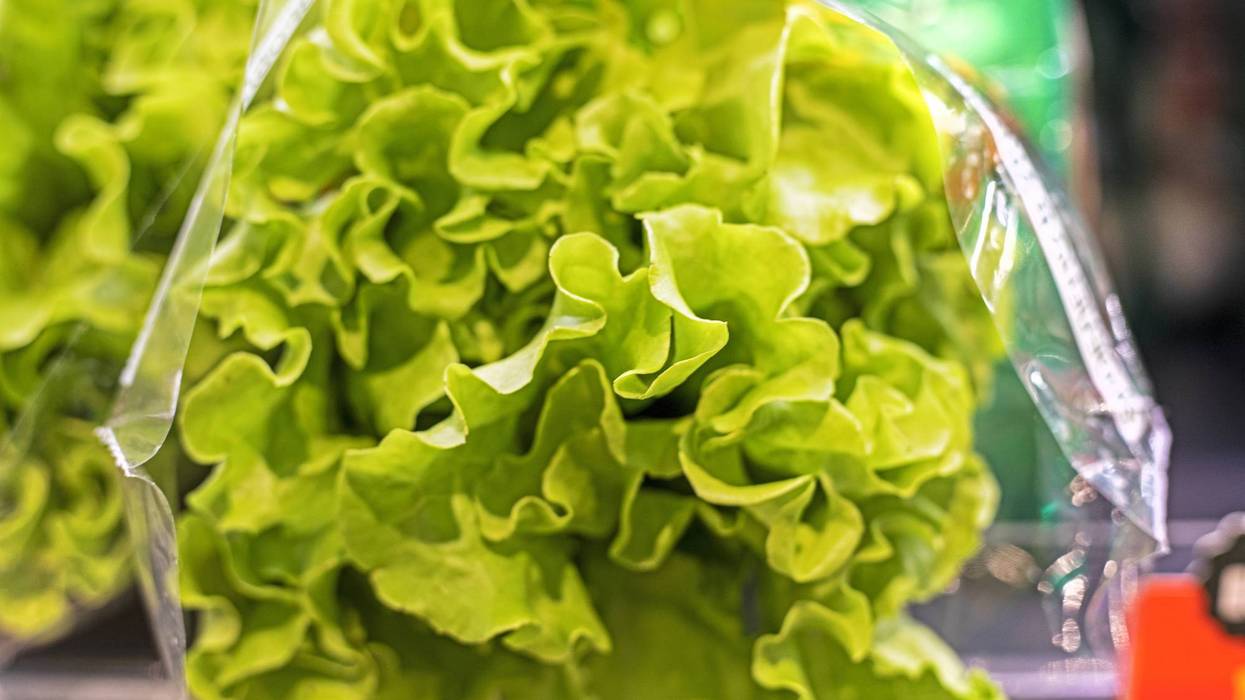
- pre-packaged salads,
- cilantro,
- basil,
- raspberries,
- snow peas,
- and green onions.
Because of the current surge, MDHHS is advising restaurants, commercial kitchens, and residents in Southeast Michigan to handle these foods with extra care. Cooking food to at least 158°F (70°C) is the safest option, as it kills the parasite.
How to prepare specific produce:
- Lettuce & Leafy Greens: Avoid pre-washed, bagged salad mixes. Instead, buy whole heads of lettuce, discard the outer 2–3 layers, and thoroughly wash the inner leaves under running water.
- Cilantro & Basil: Separate the leaves and wash thoroughly under running water.
- Green Onions: Trim the root end, remove the outer layer, and wash thoroughly.
- Raspberries: The parasite easily hides in the tiny crevices of fresh berries. Wash thoroughly, choose frozen alternatives, or cook them into pies or jams.
- Snow Peas: Rub the surface while washing under running water.
General food safety rules
- Wash everything: Wash all fresh produce under clean running water, even if you plan to peel it. Scrub firm items (like melons and cucumbers) with a clean brush.
- Sanitize: Wash hands, utensils, cutting boards, and countertops with soap and water before and after handling food.
- Prep safely: Cut away bruised or damaged areas on produce before eating, and refrigerate cut or cooked produce immediately.
What if I get sick? / When to see a doctor
If you develop sudden, ongoing diarrhea, contact your healthcare provider and report the illness to your local health department. Cyclosporiasis is treated with antibiotics along with rest and drinking plenty of fluids to avoid dehydration.
More questions? Get more information about Cyclosporiasis from the CDC at this link.
A specific produce type, grower, or supplier has not yet been identified
A specific produce type, grower, or supplier has not yet been identified