



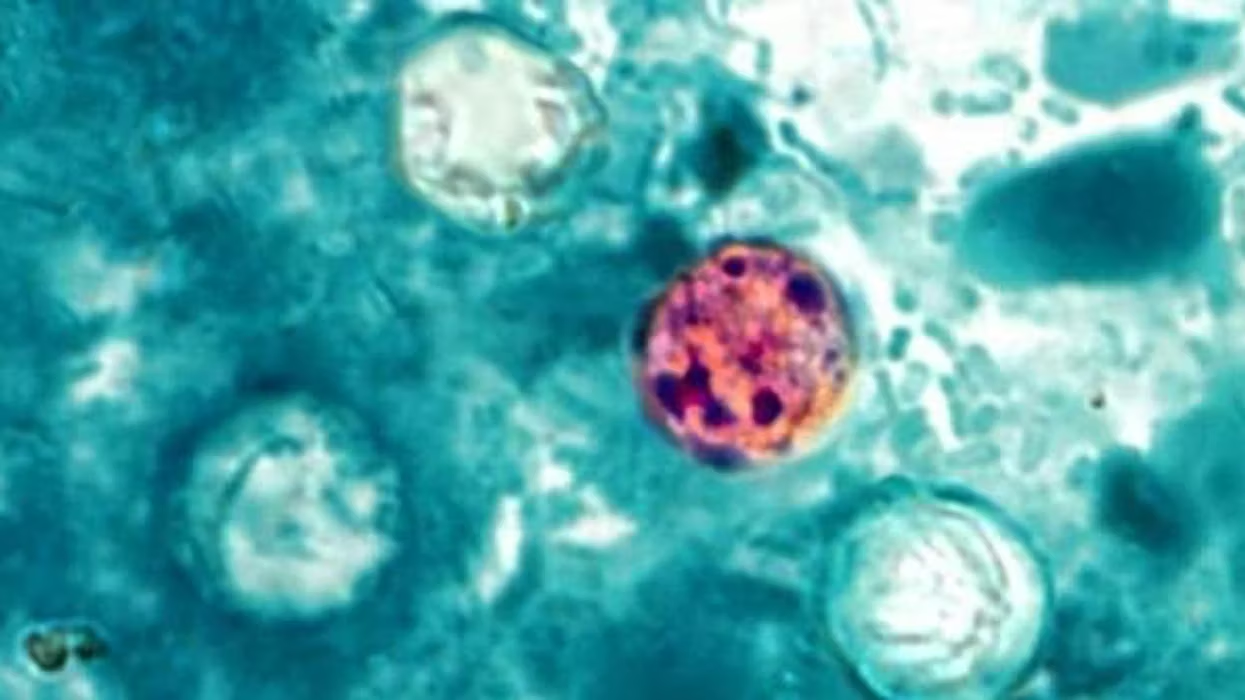

(WWJ) Michigan health authorities are actively investigating what they describe as a sudden, unusually large outbreak of cyclosporiasis — a gastrointestinal illness caused by a microscopic parasite.
State and local agencies are tracking more than 170 reported cases across multiple counties, including in Metro Detroit.
This surge is highly unusual for the state, which typically records only about 50 cases of the illness in an entire year.
The Scope of the Outbreak
The spike in infections developed rapidly, with the current case count emerging over a nine-day period. Public health officials from the Michigan Department of Health and Human Services (MDHHS) and the Michigan Department of Agriculture and Rural Development (MDARD) are leading the investigation alongside local health departments.
The majority of cases are concentrated in southeast Michigan. The current case count by county includes:
- Monroe: 70 cases
- Lenawee: 33 cases
- Washtenaw: 21 cases
- Wayne: 12 cases
- Jackson: 7 cases
- Shiawassee: 7 cases
- Other locations: 24 cases distributed across 11 additional counties and the City of Detroit.
The outbreak is affecting a wide demographic, with patient ages ranging from 8 to 84 years old. The average age of those infected is 44.3 years.
What is Cyclosporiasis?
The illness is caused by Cyclospora cayetanensis, a parasite commonly found in developing countries that is spread through food or water contaminated with feces. Health officials emphasize that cyclosporiasis does not spread from person to person. Instead, recent outbreaks in the United States have typically been linked to eating contaminated fresh produce during the summer months.
Symptoms generally appear between two and 14 days after exposure. They include:
- Frequent, watery diarrhea
- Loss of appetite and weight loss
- Abdominal cramps and bloating
- Nausea (vomiting is less common)
- Low-grade fever
“Outbreaks of cyclosporiasis have been occurring across the United States and now here in Michigan,” said Dr. Natasha Bagdasarian, chief medical executive. “Based on the unusual number of cases we have identified in a little over a week, we anticipate additional cases of illness being reported. We recommend Michiganders contact their health care provider if they experience sudden, ongoing diarrhea and reach out to their local health department if additional members of their family are suffering from the same symptoms.”
Treatment and Prevention
If left untreated, cyclosporiasis can last from a few days to a month or longer. However, the infection can be significantly improved with appropriate antibiotic treatment. Healthcare providers in southeast Michigan are being urged to consider the parasite when evaluating patients with acute gastrointestinal symptoms.
While state and local officials interview patients to find a common source of exposure, food safety remains a top priority.
“MDARD is committed to ensuring food safety across the state and is working in partnership with local health departments to identify the source of the outbreak and keep consumers safe,” said Jennifer Bonsky, Director of the Human Food Division at MDARD. “In these moments, it becomes even more important to follow all of the essential food preparation guidelines, such as washing your hands before and after preparing food and washing produce before it is consumed.”
Food Safety Tips to Minimize Risk:
To help prevent infection from Cyclospora and other foodborne pathogens, MDARD recommends the following practices:
- Wash thoroughly: Rinse all fruits and vegetables under running water before eating, cutting, or cooking.
- Scrub firm produce: Use a clean produce brush on firm items like melons and cucumbers.
- Trim defects: Cut away any bruised or damaged areas before preparing or eating fresh produce.
- Refrigerate promptly: Put cut, peeled, or cooked fruits and vegetables into the refrigerator as soon as possible.
The investigation into this outbreak is ongoing, MDHHS said.
Anyone who has been diagnosed with cyclosporiasis is strongly encouraged to speak with health department investigators to help identify the contaminated source and prevent further illnesses.