


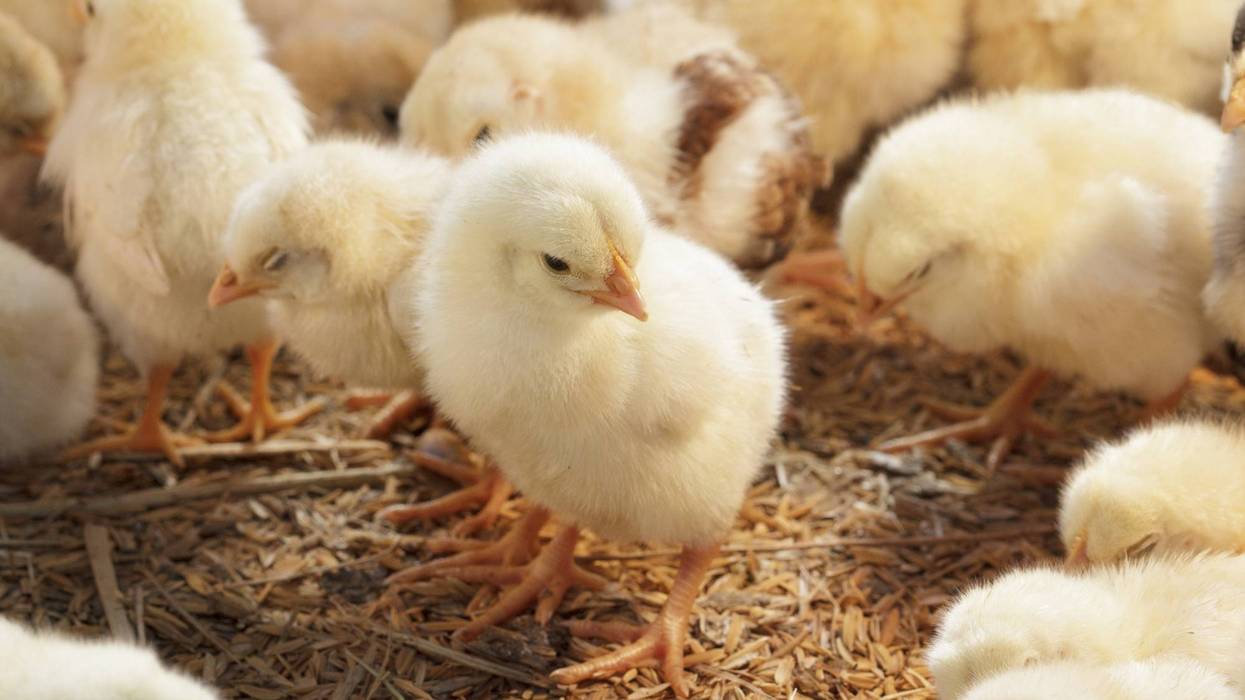

LANSING, Mich. (WWJ) — The Michigan Department of Health and Human Services is warning residents to take precautions after 21 people in the state were sickened in a growing, multistate salmonella outbreak linked to backyard baby poultry.
The state's cases are part of three nationwide outbreaks that have infected 184 people across 31 states. According to health officials, the illnesses are directly tied to contact with baby chicks and ducklings.
Children are proving to be particularly vulnerable to the bacteria. More than a quarter of the national cases involve children under the age of 5. In Michigan, where all 21 cases are linked to the salmonella Saintpaul strain, 29% of those infected are children.
"While raising baby chicks and ducks can be fun and educational, poultry owners should be aware that chickens and other birds can carry germs that can impact human health," said Dr. Natasha Bagdasarian, MDHHS chief medical executive. "Washing your hands thoroughly before and after handling chicks and other poultry protects both you and your family from the risk of salmonella."
State health officials note that the true number of sick people is likely much higher than reported, as many cases of the illness do not get reported to public health agencies.
Salmonella bacteria are commonly found in poultry droppings. The germs can live on a bird's feathers, feet, and beak, as well as in their coops and surrounding environment.
Health experts warn that birds can carry and spread the germs without appearing sick.
In humans, a salmonella infection can cause diarrhea, vomiting, fever, and abdominal cramps lasting four to seven days or more.
The infections can be especially dangerous for young children, the elderly, and individuals with weakened immune systems.
Although baby poultry require warmth and protection, the MDHHS emphasizes that birds should never be kept inside a human dwelling
Health officials urge owners to never keep live poultry inside the house where people live, eat, or sleep, and to always keep them away from areas where food or drink is prepared or served.
To further protect against infection, officials recommend always washing hands thoroughly with soap and water immediately after touching birds or anything in their environment, and adults should supervise young children while they wash their hands.
Furthermore, people are urged to avoid kissing or snuggling backyard poultry, especially baby chicks.
Health experts advise that children younger than 5 years old, older adults, and people with weakened immune systems should not handle or touch chicks, ducklings, or other poultry at all.
They also recommend remaining outdoors when cleaning any equipment associated with raising or caring for poultry, such as cages, feed, and water containers.
The MDHHS is currently working with the Centers for Disease Control and Prevention and other health departments to trace where the backyard poultry may have been purchased to determine the exact source of the outbreak.
Anyone who suspects they or their child has a salmonella infection is urged to contact a health care provider.