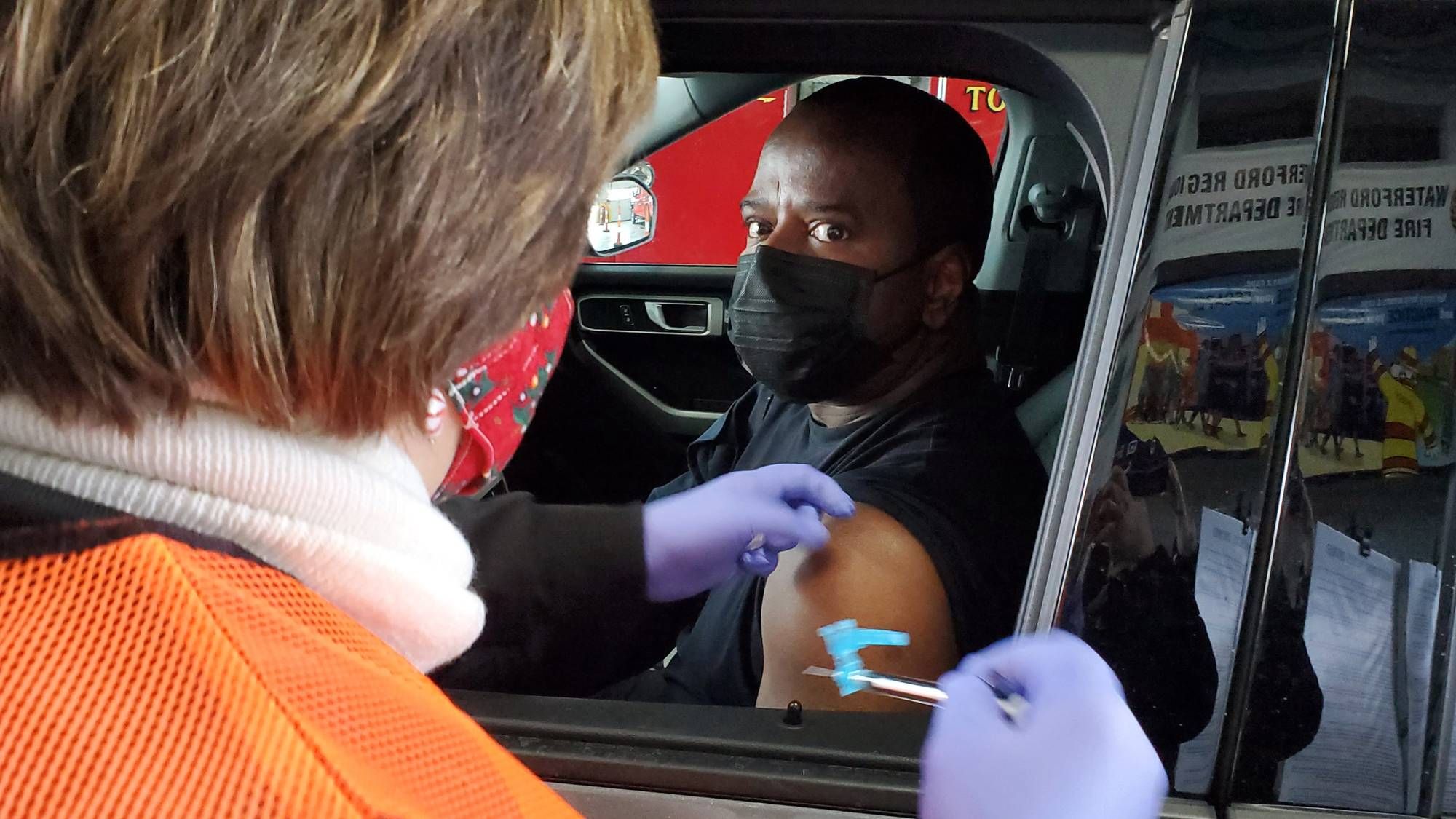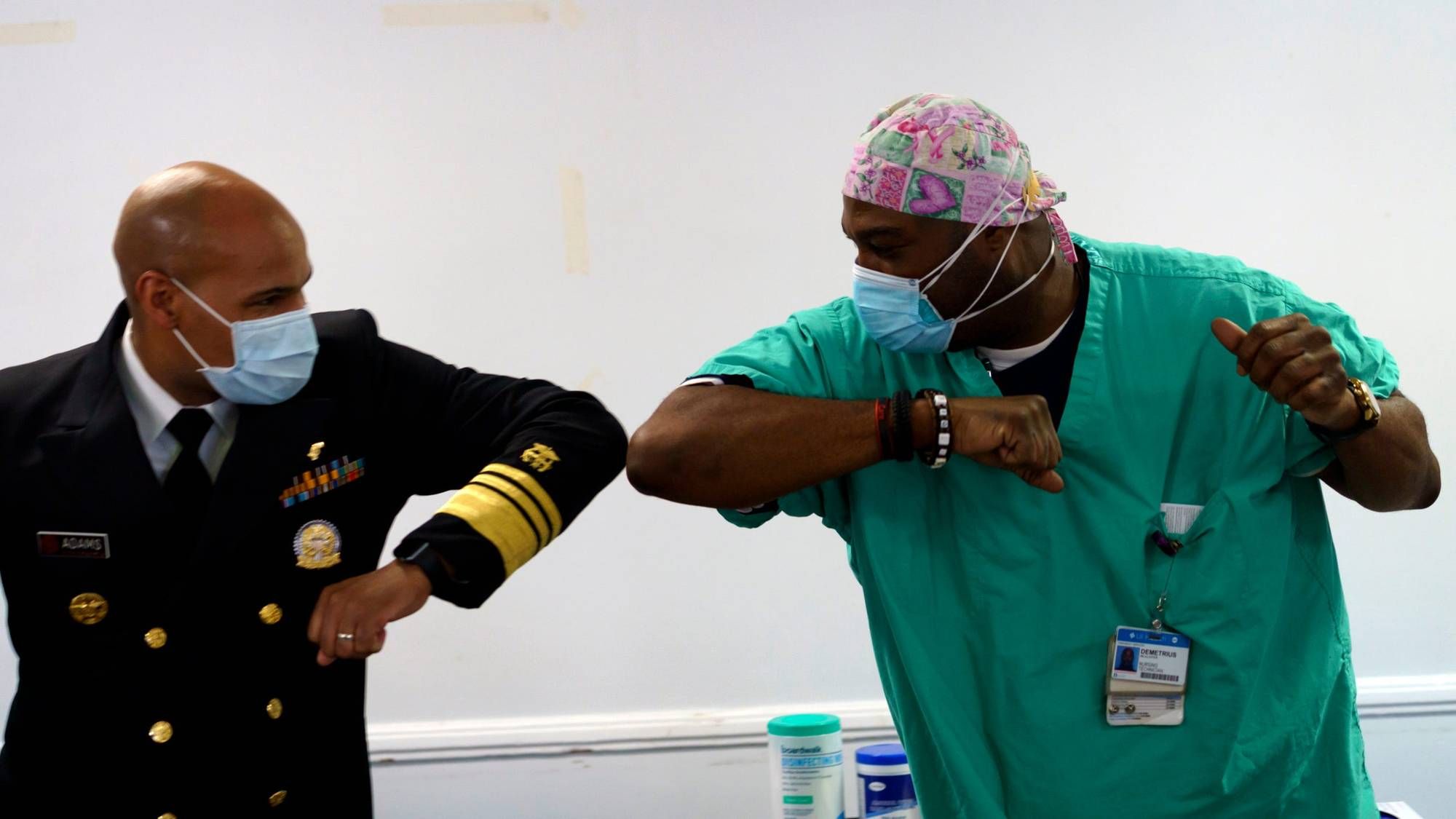



(WWJ) The Michigan Department of Health and Human Services (MDHHS) has updated its guidance for who will be among the first to get vaccinated.
Essential workers who are at highest risk of exposure because of the "nature of their work" or people at high risk of severe infection due to their age or pre-existing conditions will be prioritized, according to the MDHHS.
"Some essential workers are at higher risk of exposure or exposing others due to the nature of their work and older individuals, particularly those with underlying health conditions, are particularly vulnerable to the virus," Chief Medical Executive, Dr. Joneigh Khaldun, said in a press release. "As new information is learned, this guidance will continue to evolve. The availability of these safe and effective vaccines means the end to the pandemic is near. Everyone should be planning now for how they will get their vaccine when it becomes available to them."
The updated phases are as follows:
-Phase 1A: Paid and unpaid persons serving in healthcare settings who have the potential for direct or indirect exposure to patients or infectious materials and are unable to work from home as well as residents in long term care facilities.
-Phase 1B: Persons 75 years of age or older and frontline essential workers in critical infrastructure.
-Phase 1C: Individuals 16 years of age or older at high risk of severe illness due to COVID-19 infection and some other essential workers whose position impacts life, safety and protection during the COVID-19 response.
-Phase 2: A mass vaccination campaign for individuals 16 years of age or older.
This is in accordance with the Centers For Disease Control and Prevention's (CDC) recommendations for prioritization of distribution and administration of the COVID-19 vaccine. The recommendations are based on input from a federal advisory committee made up of medical and public health experts who develop recommendations on the use of vaccines in the United States.
The new guidelines were an effort to balance the prevention of illness and death while preserving a functioning society, MDHHS said in the release.
"These prioritizations may change as more information on vaccine effectiveness and additional vaccination products become available," the release reads.
The CDC reports two additional vaccines are in final phase trials in the United States: AstraZeneca, and Janssen.
It is important to note that vaccination in one phase may not be complete before vaccination in another phase begins. There may be vaccinations of individuals in different phases that occur simultaneously.
The timing of the phases is dependent on the supply of the vaccine, how it is allocated to Michigan and the capacity to administer vaccines.
More than 231,000 doses of the Moderna and Pfizer COVID-19 vaccine have been delivered to local health departments and hospitals across the state with over 120,000 additional doses slated to arrive by January 1, 2021.
The number of vaccines delivered to the state and the providers distributing them can be tracked on the COVID-19 Vaccine Dashboard,
So far, 37,000 Michigan healthcare workers have been vaccinated in ten days since the first doses were approved. More than one million people have been vaccinated nationwide.
The COVID-19 vaccine requires two doses, separated by three or four weeks depending on the manufacturer. It will be administered at no out-of-pocket cost to the patient; however, health care providers may bill insurance.
While vaccines are being rolled out; health officials urge everyone to continue taking precautionary measures against the virus including properly wearing masks, social distancing, and avoiding gatherings, especially indoors. To learn more about how to protect yourself, click here.

Michigan health officials have set a goal of vaccinating 70% of Michiganders over age 16, about 5.6 million people, by the end of 2021.
For more on the vaccines: