

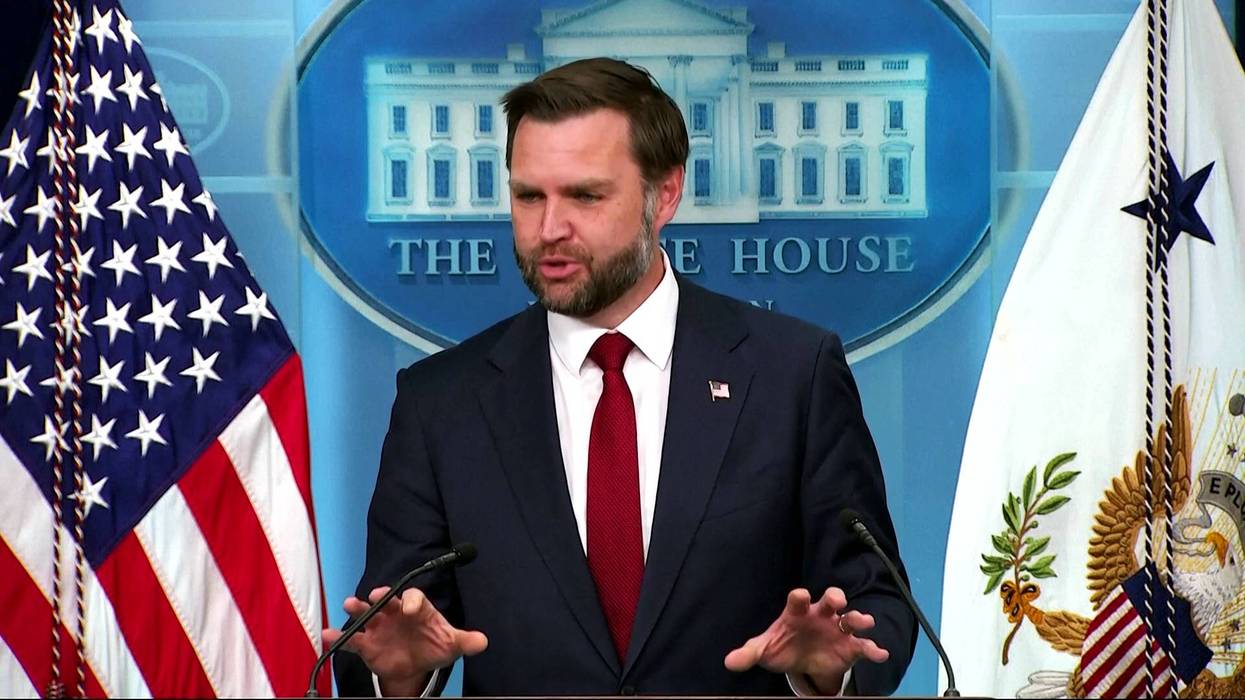

In a move that surprised no one who has listed to his speeches about the "Green New Deal hoax," President Donald Trump announced new fuel economy standards to replace those implemented by President Joe Biden.
Trump said the goal is lowering automobile prices and promoting U.S. production. And of course, it comes amid the United State's war with Iran, which is driving fuel prices up to new heights.
Specifically, the changes target Corporate Average Fuel Economy (CAFE) standards. Biden administration's rules aimed for a fleetwide fuel economy of about 50.4mpg by 2031, while Trump's proposal is a fleetwide average of roughly 34.5mpg by 2031.
Here's how Car & Driver reported it: "The Department of Transportation says the new, less stringent standards are meant to give automakers more flexibility in the types of cars, and more specifically the powertrains within those vehicles, that they offer to the public."The department claims the ruling will cut the average cost of a new car by $1300 and collectively save Americans $138 billion over the next five years. The official statement also argues that the changes will lead shoppers to buy newer vehicles, saving 1900 lives and preventing over 300,000 serious injuries, although no time span was specified for these figures."
In a statement, Transportation Secretary Sean Duffy said that the ruling “finally ended the illegal mandate that forced automakers to produce more expensive electric vehicles that American families didn’t want,” claiming that the previous administration “pushed a green agenda that made our roads less safe and drove up costs for hardworking Americans.”
Environmentalists fought hard for the increase in CAFE standards, an attempt to offset carbon emissions that contribute to global warming, and they were none too pleased with the change.
Among those speaking out against the change is U.S. Rep. Debbie Dingell (D-MI-06), who says the decision risks putting the American automotive industry at a competitive disadvantage while the rest of the world races ahead.
Dingell said, in a statement issued Monday:
"Americans should have the freedom to choose the vehicle that works best for them, whether that’s electric, hybrid, or an internal combustion engine. But consumer choice and American leadership are not mutually exclusive. The global auto industry is changing rapidly, and China and other countries are investing heavily in the technologies that will define the future. The global market wants electric vehicles, and we cannot afford to fall behind. Our auto industry cannot continue to be a political ping-pong ball every four years. We need stable policies that make transportation more affordable, support good-paying American jobs, and give our industry the certainty they need to invest, innovate, and compete. Michigan put the world on wheels, and I intend to make sure we remain competitive in the global marketplace. We need policies that give consumers choices while ensuring the next generation of vehicles, including EVs, are developed and built right here in America.”
Economist Sue Helper, who studies the auto industry at Case Western Reserve University, said it's a bad idea not only for the environment, but also for the economy, as drivers seek ways to save money with lower fuel costs on higher performing engines.
"It's very bad in the long term, because it slows progress," she said. "Then we make our auto companies less competitive. We give them less practice in making the cars that both Americans will want in the future and that the rest of the world will want."