


When the Senate gets involved in your love life, things have taken a strange left turn. And that's what happened to a woman who says she was swindled out of $700,000 by a Tinder match, and she claims the tech company's policies allowed it to happen.
The woman in question, Pennsylvania resident Sue Nuss, told NBC News she joined Tinder in 2025 after losing her spouse and was quickly contacted a New Jersey resident seeking companionship. Long story short, after building her confidence, she says the man fabricated oil rig emergencies, Mexican legal issues, and a heart attack, to soak her for money.
After losing over $700,000, the woman said, she expressed psychological pain, embarrassment, and trust issues afterward. She's not alone. The Federal Trade Commission reported that romance scams cost Americans nearly $1.5 billion last year.
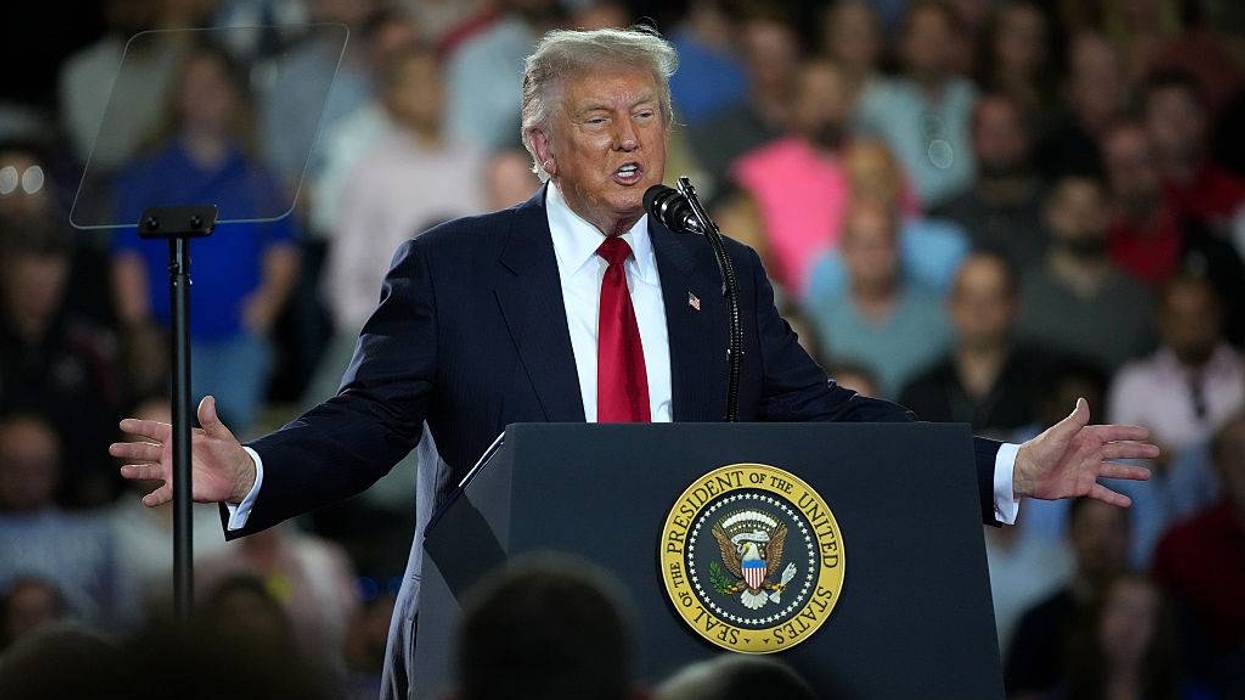
Congress investigated the $700K claim and many others and after a full year of looking into it, passed the Romance Scam Prevention Act, which "would require online dating service providers to notify and warn any users who get messaged by potential scammers." President Donald Trump has yet to sign it into law.
Even before this, Match Group, owner of Tinder, implemented additional protections, including Face Check verification, to combat scammers.
But they're not doing enough, many believe, and the government stepped in and agreed. Tinder allegedly failed to maintain effective security safeguards, allowing scammers to target users searching for love, their report cited, pointing out outdated fraud detection technology and ineffective automated safeguards that led to scammers reaching unsuspecting users.
As NBC News reported, "During the first nine months of 2025, nearly 1.5 million scammers or other bad actors on Tinder and Hinge matched with someone. Nearly 500,000 of those accounts then exchanged contact information with other users...
"Internal documents shared voluntarily with the committee noted that most of Tinder’s machine-learning detection scam models hadn’t been updated in years, and Match Group staff members found that scammers could quickly circumvent the company’s patchwork detection rules. Excessive false positives also overwhelmed the human moderators trying to detect dangerous accounts."
In response, Match began a biometric face scan to stop people from building numerous fake accounts.
"The report mischaracterizes both the historical scale of our investment and the work already completed," the company said in a statement. "Alongside our engagement with the Committee over the past year, we’ve made the largest safety advancements in Match Group’s history. Trust and Safety is a foundational priority, and we intend to continue leading the industry in building tools that promote authentic, safe connections.”
Sen. Maggie Hassan, D-N.H., who launched the congressional investigation alongside Sen. Marsha Blackburn, R-Tenn., said the company needs to continue to upgrade its security and stay abreast of new scams.
“They need to do more, though, because there are still gaps in their systems,” she added. “And they are going to need to stay vigilant in new ways, because the criminals are always changing their technology and their tactics, too.