
Louisiana Governor John Bel Edwards outlined the state’s updated Strategic Highway Safety Plan aimed at increasing safety for all Louisiana drivers.
At a news conference, Governor Edwards along with Louisiana Department of Transportation and Development Secretary Shawn D. Wilson and Louisiana Highway Safety Commission Executive Director Lisa Freeman emphasized the need for public safety on the road and that the data shows people are partaking in more risky behavior since the start of the pandemic.
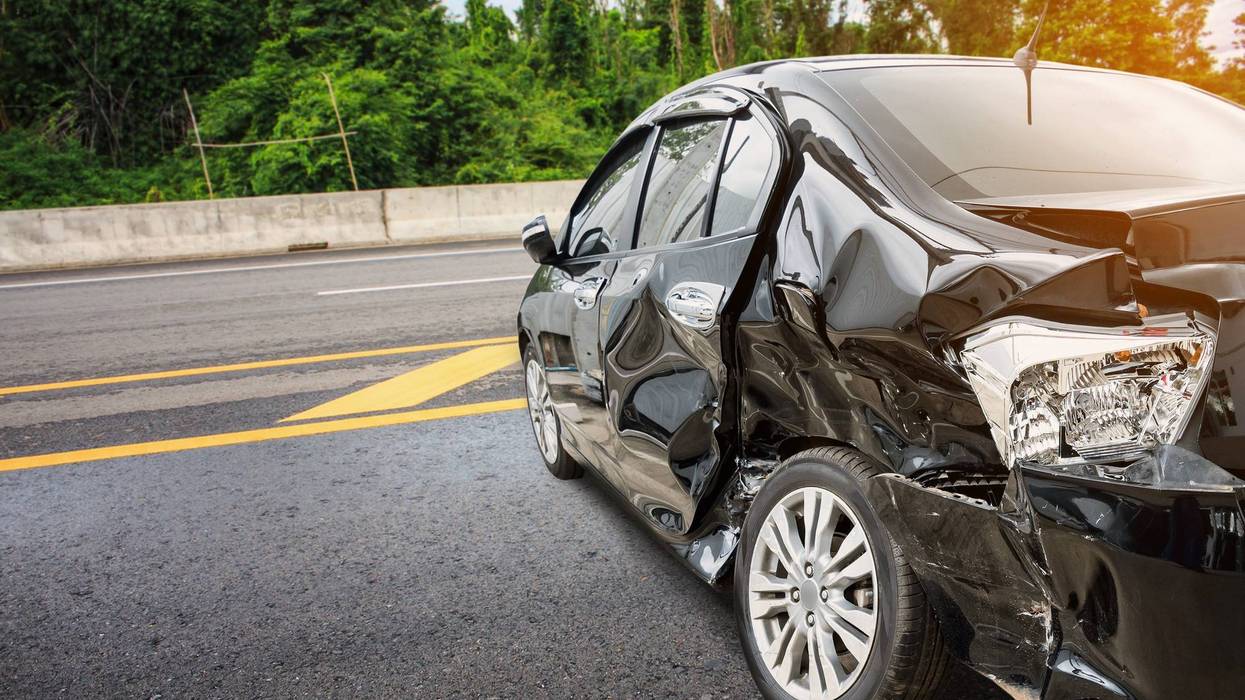
Statistics show that 971 people lost their lives in a vehicle crash in the state last year.
The governor says that is a 17% increase from 2020, where when were 828 fatalities. He says the state has experienced its highest percentage increase in one year since the state started tracking crash fatality.
“The statistics are alarming,” said Gov. Edwards. “The loss of nearly 1,000 motorists on our roadways is devastating and a number that desperately needs to decrease and be non-existent one day. With the safety strategies implemented by our agencies and safety partners, we aim to make all Louisiana public roads safer—where no one is killed or seriously injured in traffic-related crashes.”
“The increase in risky driving behavior, which we have seen in Louisiana and throughout the country, is as much a public health epidemic as any other community crisis,” said Louisiana Highway Safety Commission Executive Director Lisa Freeman. “The inherent tragedy of traffic fatalities is that they are preventable. Unsafe driving behavior doesn’t just happen. It’s a choice—a choice between driving sober or driving impaired; a choice between driving focused or driving distracted; a choice of buckling up and driving the speed limit or being unrestrained and speeding. We urge everyone to make the right choice—the only choice that gives us a chance at safely arriving at our destinations.”
The says the data focused on contributing factors that lead to fatalities and injuries, such as the driver’s age, distracted driving, impaired driving, occupant protection, and infrastructure and operations.
Some of these strategies include:
- Increasing education efforts and community outreach programs statewide and at local level
- Strengthen laws and public policies to prohibit risky behaviors such as distracted driving
- Increase accountability through the enforcement or other methods
- Identify, develop and deploy engineering solutions along corridors found to experience severe crashes related to risky driving behaviors such as impaired driving or distracted driving
- Increase the number of child passenger safety and CarFit technicians in the state and spread awareness to local communities