


Insurance commissioners from across the southern United States are in New Orleans for the Louisiana Department of Insurance Conference. They are discussing how to lower homeowners, flood, and auto insurance rates.
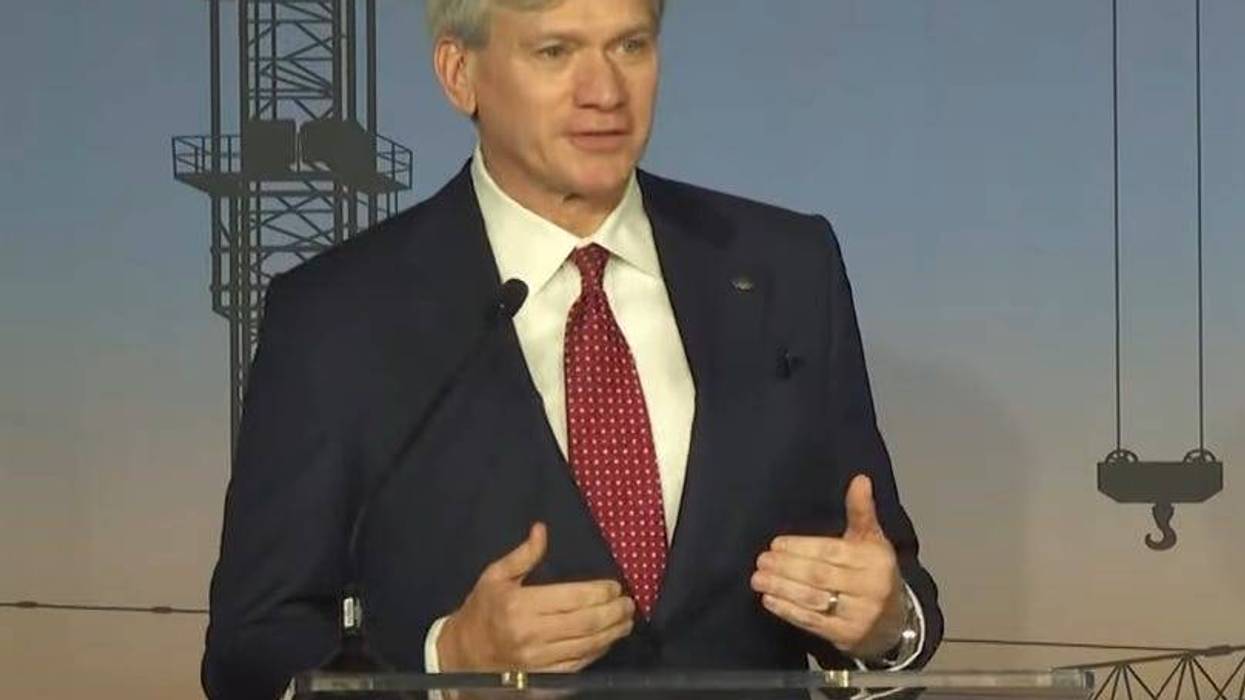
According to Louisiana Insurance Commissioner Tim Temple, those states have found ways to do just that.
"We share very similar perils," Temple said to WWL's Newell Normand.
To conquer those perils, Louisiana Insurance Commissioner Tim Temple says he and insurance commissioners in other states across the Southeast have followed similar blueprints. They have pushed lawmakers in their states to close what they say are loopholes in the laws that allow people to abuse the system.
Temple said that the states that have enacted tort reform--and the people who live there--are already seeing results.
"When you close those loopholes, you close off the excess payments being made because of that abuse," Temple said. "When the claims amounts go down, the premiums follow. Those states are seeing it. Louisiana should anticipate seeing the same thing."
Temple told WWL's Newell Normand that the state's tort reform laws are too new to have had any impact on insurance rates, but he says we'll likely see rate reductions stemming from them over time.
"We are making progress," Temple said. "We are trending in the right direction. We are going to continue to address where the system is being abused (and) driving costs to bring that down and lower premiums."
However, Temple noted that many of the state's drivers have seen their auto insurance rates decrease.
"Forty-six companies have taken rate decreases on private passenger auto in Louisiana," Temple said.
Temple credits automakers for that rate decrease, saying they are designing safer cars with technology that's helping drive down the number of crashes.
According to Temple, that's good news for the state economy.
"It's about 400 million dollars less that you and I and your listeners are going to pay on auto insurance over the next year," Temple said. "That's $400 million that gets infused back into the state economy."