


New Orleans' second year of austerity is coming into focus as the city continues wading through budget proposals. Along with major cuts to city departments, another issue up for consideration is whether it’s time for New Orleans to try to tax non-profit property owners by way of parcel fees on drainage and infrastructure. This would be an issue New Orleans residents could expect to be up for a vote not this fall, but perhaps in the spring of 2027.
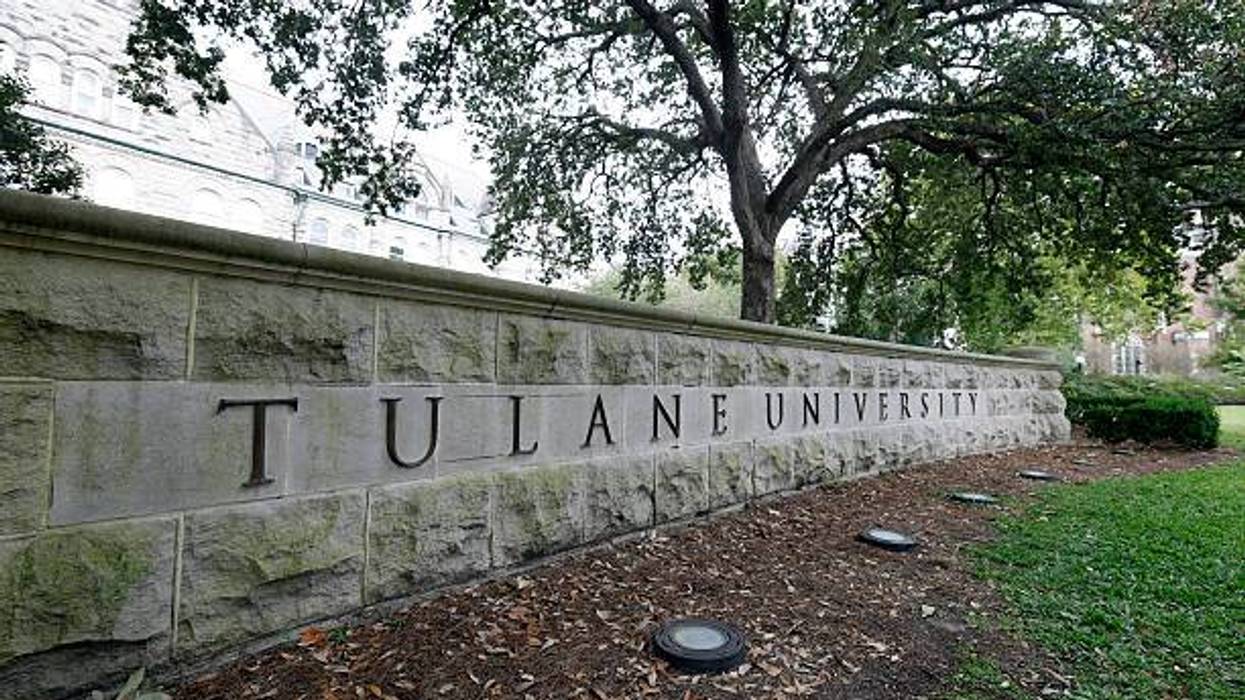
“Thirty to forty percent of actual property owned in the city of New Orleans is owned by nonprofit entities,” JP Morrell told WWL’s Tommy Tucker. “I mean, the largest landowner in the city — probably near-tied with the Catholic Church — is Tulane University. And so when you look at all these different groups — when your area doesn't flood, when the streets are fixed, ideally, when fire and police are responding to efforts — you have to pay into the system from which you benefit.”
Morrell states it's “been a problem for decades.”
“We're trying to find a way for them to pay their fair share, because as you know, if they pay their share, the overall cost to all citizens actually drops,” Morrell continues. “The challenge there is figuring out how to do that process in a legal and constitutional way that will stick.”
The councilman at-large explained that the goal is to implement parcel fees in a “constitutionally sound” manner. Otherwise, if the initiative fails, the city could find itself back at square one.
In addition to the parcel fees, the Moreno administration is also considering rolling forward city millage rates, which would affect those who own property valued at $300,000+.
Addressing the potential millage raise on WWL on Tuesday, Moreno said, “We are in a very difficult situation. We are in a situation where we have to move forward with significant cuts and look at the possibility of raising revenues and rolling mills forward. So, politically, that’s the worst place you can possibly be.”
However, while Mayor Moreno called these measures “necessary steps that have to be taken,” she added, “I will say that if all goes well through this budget process, going into 2027, we will once again be above water.”
Morrell commended the current administration in its commitment to addressing the hard fiscal reality it faces.
“The Moreno administration has been a great partner in trying to be very transparent with the public about the struggles that are facing the city, and about weaning off of the use of one-time revenue for recurring expenses… I kind of coined the term Jindal Math. That's kind of what blew up the state budget years ago,” Morrell said.