



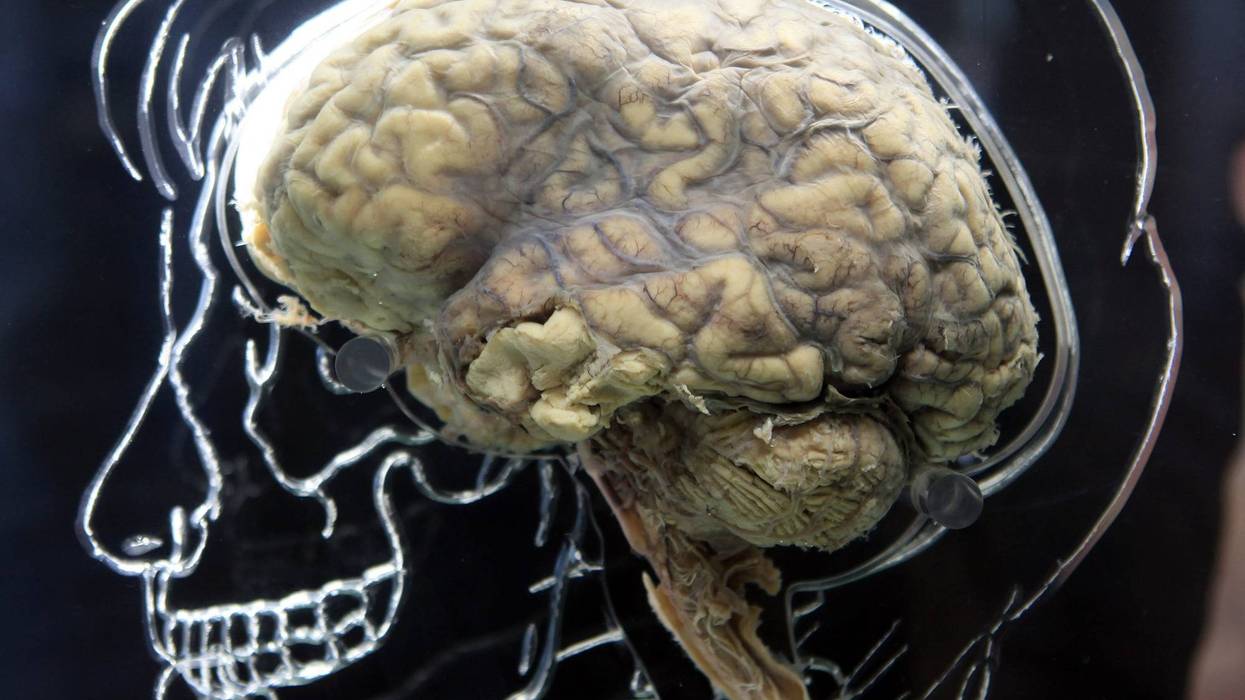

Brain health is a going concern for many, especially as the population continues to age. It can be hard to keep up with the news when it comes to medical breakthroughs or setbacks these days. However, there’s very important research being done to understand and treat Alzheimer’s disease with some promising results coming to light.
Dr. Michelle Longo is a clinical neurologist with the Tulane School of Medicine and shared some of the exciting new discoveries currently being made. “It all starts with the buildup of these beta-amyloid plaques. If you don’t have beta-amyloid plaques, you don’t have Alzheimer’s,” Dr. Longo explains. She says new insights into the causes of the crucial plaque buildup that causes Alzheimer’s are leading to better diagnoses and more advanced treatments.
While many people consider Alzheimer’s “an old person’s disease”, Dr. Longo was quick to dispel that myth, pointing out that while many older people suffer from more advanced effects of the disease, it can come on at any age. “It’s not an uncommon disease. It’s not part of normal aging, though. It is a disease,” she emphasizes. While the most significant risk factor for complications from Alzheimer’s is advanced age, the changes in the brain are happening decades before symptoms become present. “Very much so, it can be a disease that starts in middle age,” Dr. Longo notes. She says early detection is key to treatment.
In terms of prevention, Dr. Longo emphasizes that the most important thing you can do for your brain’s overall health is to get enough sleep. “It’s critical to get 7-8 hours of good sleep. That’s important for mental and cognitive health, and that’s the time when the brain removes these toxic proteins that build up,” she explains. There are also medications available that help to remove the plaque buildup causing Alzheimer’s, and Longo is hopeful that more research will make the disease more manageable (or even preventable) in the future.