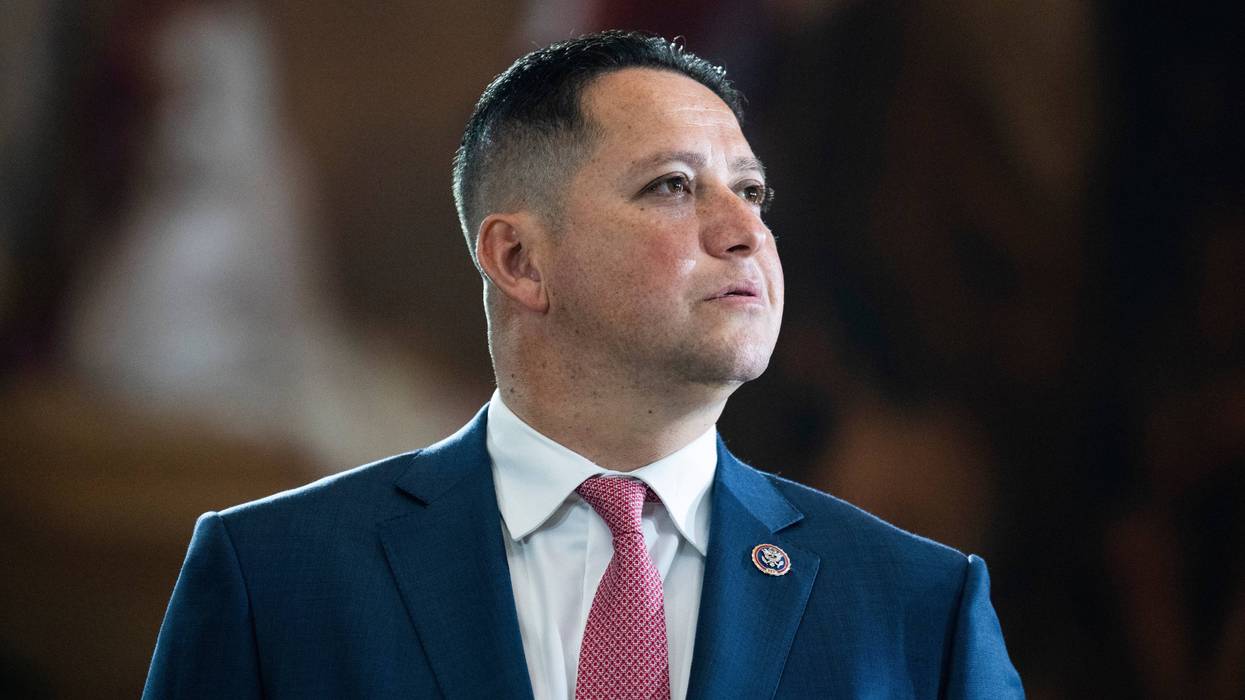


The Omicron variant has led health experts and the public to think we’re nearing the end of the pandemic. Over half the U.S. population is vaccinated, Omicron is a much less severe variant, and COVID restrictions have loosened. But meanwhile, the risk remains for the unvaccinated and others with health issues. Dr. Jeffrey Singer of the CATO Institute spoke with me about a more realistic approach to the pandemic and a return to normal.
Variants have come and gone, and each one of them has been unique, but we're learning that what we did in the past may not have actually helped much. Is it good to continue some of the same remediation techniques from early in the pandemic and if not, when should we stop doing them?
We're kind of fortunate that we have a federal system, because different states took different approaches - but on a national level the guidelines or recommendations have not changed very much. The virus has gone through natural selection, like they always do, and viruses tend to become less deadly over time... unfortunately, this virus is not going to go away. It took over a couple hundred years, but we've only been able to eradicate one virus in human history, that was smallpox. Some states had more drastic restrictions and lockdowns than others, and at the end of the day it didn’t really seem to matter. That tells us the restrictions and lockdowns were not only ineffective, but they had educational consequences for our kids, mental health issues, and impacted our economy. Let's focus on protecting the people who are most vulnerable to the virus, and the general public should just use common sense with precautions and go back to living.
Obviously, we know now after two years that there's a certain percentage of this population that's vaccine hesitant. It seems to me with therapeutics, you might be able to make inroads with that vaccine hesitant population and not overwhelm the healthcare delivery system.
There's no question a vaccine is effective in preventing you from getting seriously ill. Unfortunately, we did that at the expense of putting enough emphasis on therapeutics. I think there was this false idea that if we got everybody vaccinated, the virus would go away - it’s not. We need to be ready for when it comes back and that's where therapeutics come in.
What data should we focus on right now, what’s the most important data to look at?
It should be hospitalization numbers. More and more doctors and scientists are starting to say that because case numbers just reflect how many people have gotten symptomatic and got tested. There are still a lot of people who haven't gotten tested, so the case numbers are actually underestimating how many people have COVID, but since case numbers are just the number of reported cases, that's not telling us the effect of it. If the hospitals are not filling up with sick patients from COVID and people aren't dying from COVID, that's the most important thing.