

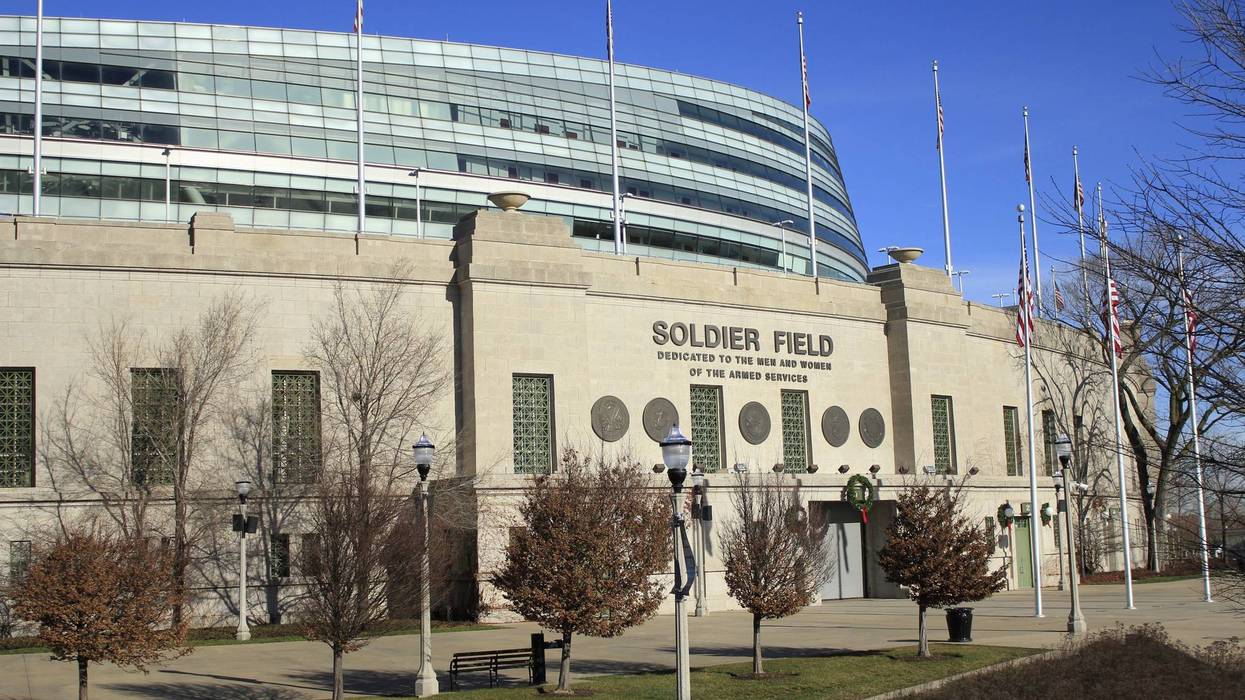

That headline will be the only football analogy in this latest breakdown of the effort to keep the Chicago Bears on this side of the Indiana state line. The state of Illinois and city of Chicago have reached a critical point in what's become a years-long saga, and to resort to easy sports-related wordplay risks diminishing the importance of the next seven days.
Let's start with the points on which everyone seems to agree: the "mega-projects" bill that passed the House almost exactly a month ago will not pass the Senate without significant changes, and as of this writing it's not even scheduled to be taken up in a Senate committee. In addition, if the General Assembly intends to do anything to keep the team from taking advantage of Indiana's offer to build a stadium in Hammond, it has until May 31 to act; after that date, any legislation will require a two-thirds majority for approval, which will make any compromise significantly more difficult.
After those points, common ground seems elusive.
While lawmakers slip behind closed doors to negotiate a way to get the "mega-projects" bill through the Senate, Chicago Mayor Brandon Johnson has used the resulting vacuum to step up his call for the state to support his proposal to remake the lakefront Museum Campus around a publicly-owned domed stadium, instead of supporting projects around a venue on land the Bears bought in Arlington Heights three years ago, and around which most state leaders and the team appear to be rallying.
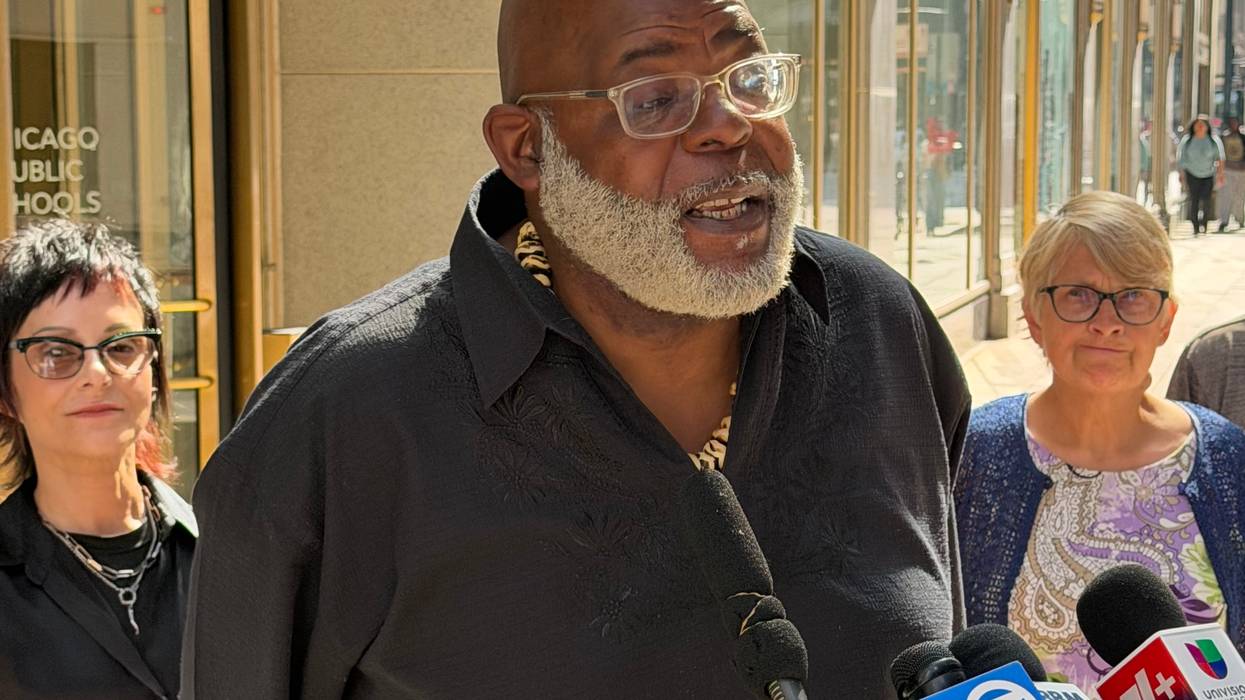
"I don't know why any Chicago legislator would vote for anything that doesn't benefit the people they represent and vote for," the mayor said during a visit to Springfield on May 5, in an apparent dig at Chicago's delegation at the Capitol including "mega-projects" bill sponsor Kam Buckner. A week later, I asked him whether he thought that message was getting through. "There are a number of folks I've spoken with in the Senate and the House who were appreciative of that line of questioning," he responded. "In some of those caucus meetings, very similar questions were being asked ... and there were no answers."
On top of that, Bears executives had reportedly re-opened talks with the Johnson Administration about a new stadium in the city several weeks ago, which fueled more delays and confusion in Springfield, and inspired the Bears to issue a new statement on Thursday reiterating that the team has "exhausted every opportunity to stay in Chicago."
"There is not a viable site in the city," the team's statement continued.
Gov. J.B. Pritzker, whose run for re-election is being complicated by the protracted effort to keep the Bears in Illinois, echoed that sentiment last Monday, and threw in an extra jab at Mayor Johnson. "The mayor ... has come up with no plan at all about how the Bears would end up in the City of Chicago," the governor told me during an appearance in the Gold Coast. "We've seen almost nothing from the mayoral administration about this issue or any other, really." Pritzker attempted to soften that criticism several days later, but it's clear the state's two most powerful elected leaders are pulling in different directions.
And over all of this looms northwest Indiana, which sits as the potential worst-case scenario for Illinois leaders, and one that could be more attractive if lawmakers allow May 31 to come and go without a mechanism for easing the Bears' property tax burden on the old Arlington Park property. Nearly everyone involved in the process believes the team wants to stay in Illinois, with Mayor Johnson even saying he questioned the "merit" of the team's suggestion that it would move.
"What if you're wrong?" I asked him.
"What I am right about is that I was the only candidate that said we should work to keep the Bears in Chicago," the mayor responded, noting that the Bears spent $20 million dollars on the 2024 lakefront proposal, which he says the team abandoned because of a lack of interest from state lawmakers.
And so focus shifts to the Capitol, where the only difference between now and the days of disgraced ex-House Speaker Michael Madigan is that the back rooms aren't filled with smoke any more. Important legislation has a way of emerging at the eleventh hour and beating important deadlines, and despite Rep. Buckner's prediction to the contrary two months ago, the "mega-projects" deal is shaping up to do just that. As for whether a deal can be done in just seven days, we're reminded of another quote from Rep. Buckner, which is probably more accurate: "It's Springfield. Anything can happen."