



Menopause isn't just a rough time for women -- it's also hard for the people who love them.
"Talk to the men in your lives. Tell them there are things that are happening with your body that you can't control. I didn't even know what was happening back then so I couldn't talk to him," recalls Paula Neale, 67.
Neale is convinced her divorce was due in part to what she was going through mid life and not communicating properly with her husband.
"I thought there was something wrong with me. It definitely played a part in our relationship. There were other things going on but this was another thing on top of it. Early on in our relationship, we both talked about things but something changed later on and we stopped doing that. When I started menopause, it was more difficult for me to have a conversation with him. It made things worse. My emotional struggles contributed and he had no clue," she said. "I had no clue," she shook her head.
Obstetrician Dr. Kristin Venuti says a lot of her patients struggle and want their partners, especially men, to better understand the process and their role in supporting women.
"This is hard. I have a lot of patients in marital counseling and their spouses really struggle with this transition due to decreased libido, not wanting to be as intimate but to really have grace with their partner because there's a lot going on with their body that they can't control and to be supportive of what they need and helping them to feel better." she said.
"For women too, sex is more than just a physical thing, there is so much more of an emotional component too. Not feeling well and the relationship is not doing well so it's not good for anyone. You can be intimate in so many other ways so try to reframe and be supportive as you can." said Dr. Venuti.
Dr. Venuti says decreased libido and vaginal dryness are common, making open, non-judgmental conversations about intimacy essential. She advises loved ones to earn about the hormonal changes to better understand that symptoms are not personal attacks.
Menopause isn't just a woman issue. It is a family issue, a relationship issue and a community issue.
"Let's talk about sleep alone," said Patricia Handler, Nurse Practitioner, Co Founder, Center for Sexual Medicine & Menopause. "If you're not sleeping, life is really hard. If you don't feel well, if you're brain is foggy, you're irritable, it affects your personal life, your work life balance. There was a study about the millions of dollars lost in the workforce because women are struggling with menopause so they stay home or they work less effective. Families are affected, relationships are affected, your career is affected," said Handler.
A bill to improve awareness and quality of care for women going through perimenopause and menopause is working through the Illinois General Assembly.
House Bill 5284, the Menopause Equity and Care Act, takes a comprehensive and practical approach to these challenges. The legislation provides accessible public educational materials to help individuals better understand menopause and available care options, ensures insurance coverage for medically necessary treatment based on established clinical guidelines, and offers optional resources for healthcare providers to support informed, evidence-based care. It also recognizes menopause-related conditions within the framework of the Illinois Human Rights Act, allowing for reasonable workplace accommodations where appropriate.
Beyond the emotional toll, the physical toll is obvious, but living and thriving means looking at life a bit differently starting with how you exercise.
"Walking, Pilates, yoga, light weights, bone health, 'strength?" Strength," said Dr. Venuti.
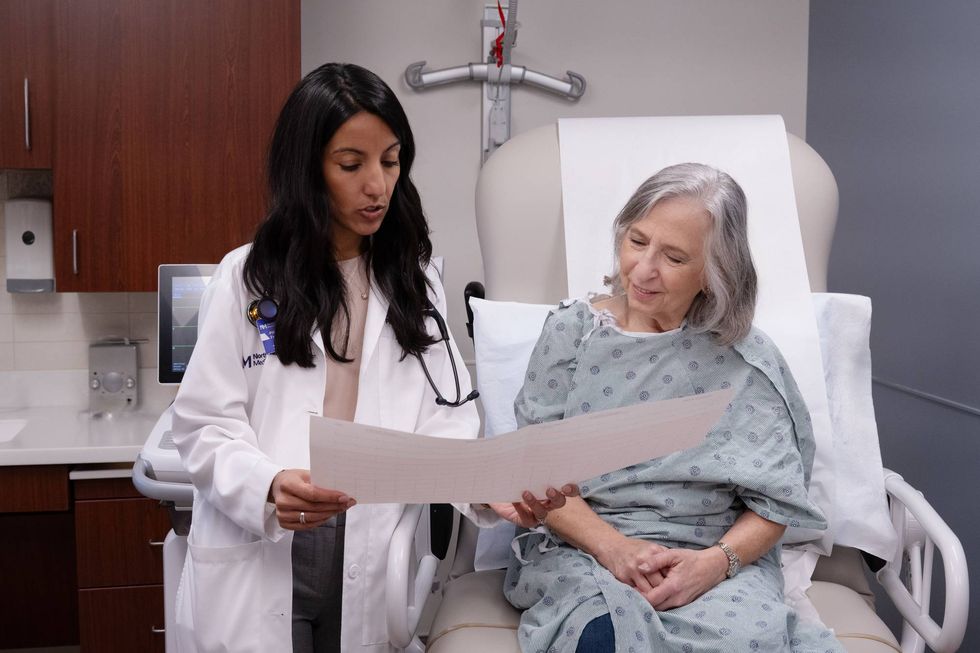
Cardiologist Dr. Priya Freaney says cardio is still important, a brisk walk but for women over 40, but strength, flexibility and balance are essential.
"The American Heart Association says we all need 150 minutes of cardio each week. Even though I'm a preventive cardiologist trying to prevent you from having heart disease and I know cardiovascular exercise is going to do that, don't forget about strength as well. Especially for women around menopause because we know you're going to lose your muscle mass and so being proactive about- almost bracing yourself for menopause-get stronger and strength training begets cardiovascular exercise and visa versa," she said.
"It doesn't have to be sprinting. I tell people to get your heart rate up. Think about being breathless at a long sentence to get cardiovascular exercise. Good shoes, and a brisk walk counts as cardiovascular exercise," smiled Dr. Freaney.
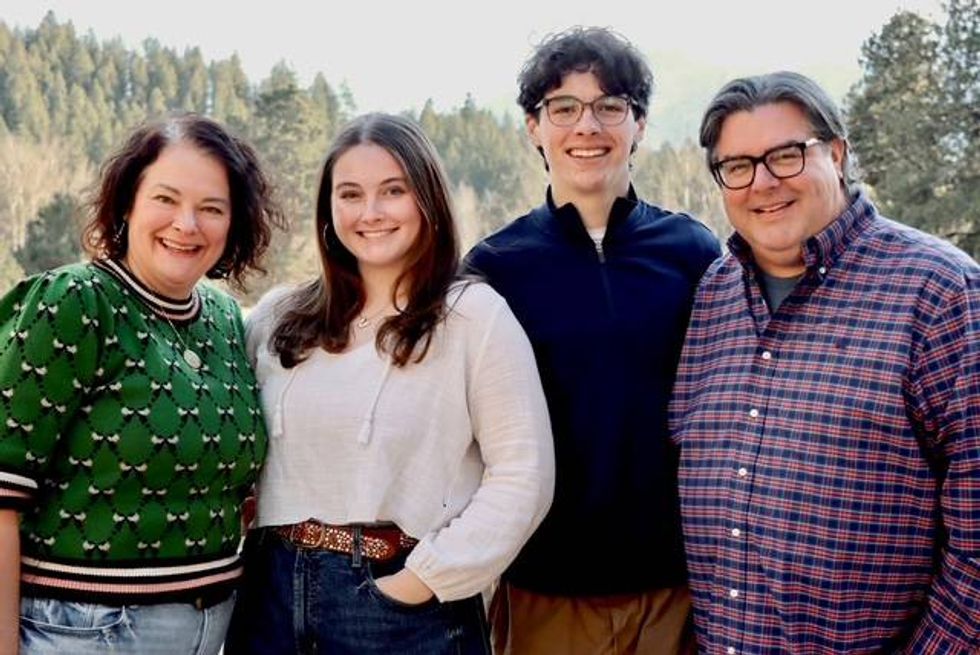
Carey Beck and her family
Carey Beck
Cary Beck, 52, Forest Park, found out accidentally that she was suffering from early cardiovascular disease which she called a wake up call. Now, she's changed her lifestyle by committing to eating better and exercising more. She found a community in her hometown health and fitness studio.
"I found a very strong community of women who are active, aging and hold each other accountable," said Beck, who works out at K Butts Health & Wellness.
She credits owner Kate Butterly for helping her stick to her new lifestyle changes in her 50s.
Butterly says she sees women of all ages in her classes, many looking for motivation and a way to exercise throughout mid life.
"We have attorneys, we have nurses, we have artists, we have stay-at-home moms. Our age range is about 35-65. What do we need to do in order to do the exercises of daily life, in 5 years, or in 20 years. We all need to just keep moving." said Butterly.
"We have a strength program and a back to the basics program. We have to work on the ability to pull, to push, to get off the floor. Every single exercise involves your core. I look at all of us going through perimenopause and I remind everyone; you have to forgive your body. You may not move like you did 8 years ago, you may not crush it everyday but this is a place of longevity and support. This is a journey that could last one year or even ten years," said Butterly.
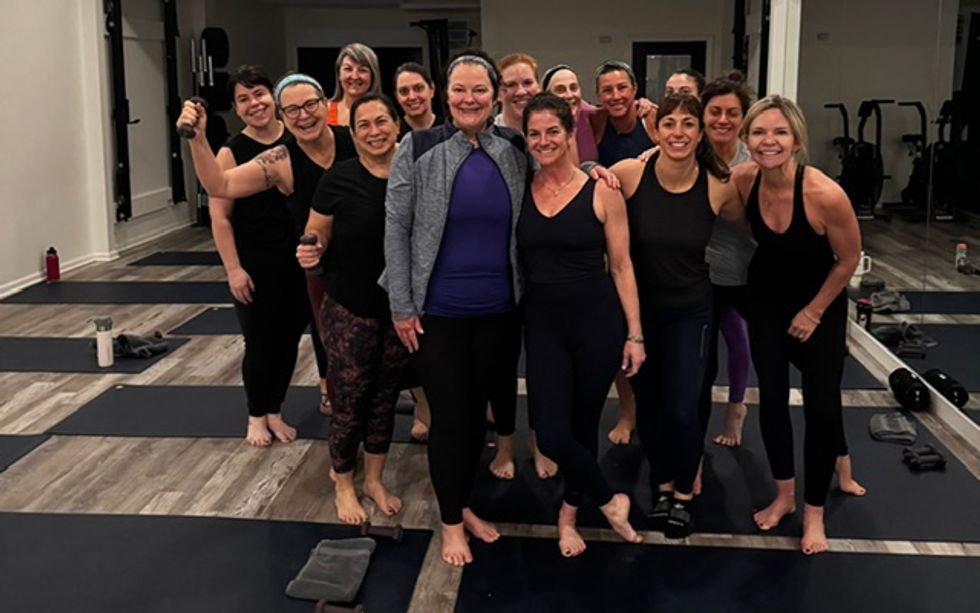
The K Butts Community, K Butts Heath & Wellness, Forest Park (front) Carey Beck, Kate Butterly
Carey Beck
Many women walk into perimenopause completely unprepared but you don't have to be.
Neale looks back on the last ten years and can't believe how much she's changed. She admits she uses more humor as she moves into her post menopausal years.
"It this were men, they would've figured this out by now, " Neale laughed. "They would've figured it out decades ago."
Menopause can last for years but it doesn't have to be a crisis. It can be an invitation for communication, education and a revolution for generations of women to come.
"Our mothers generations never talked about any of this. We're Gen X, we're going to talk about it. We're going to face it head on, we're the latch key kids, we're way tougher than anybody else. We're going to take this on. Our children's generation will be totally different too. I can't wait to see what medicine can do for women when they are this age and how open they are about talking about and being more proactive about their health and supporting each other." said Beck.
While the journey through perimenopause and menopause can be complex, it is also an opportunity to reclaim and reinvent yourself and talking about it and taking control of it, can make all the difference.
"It is not taboo, talking about women's health, why wouldn't we talk about this? We're just getting started, said Beck.
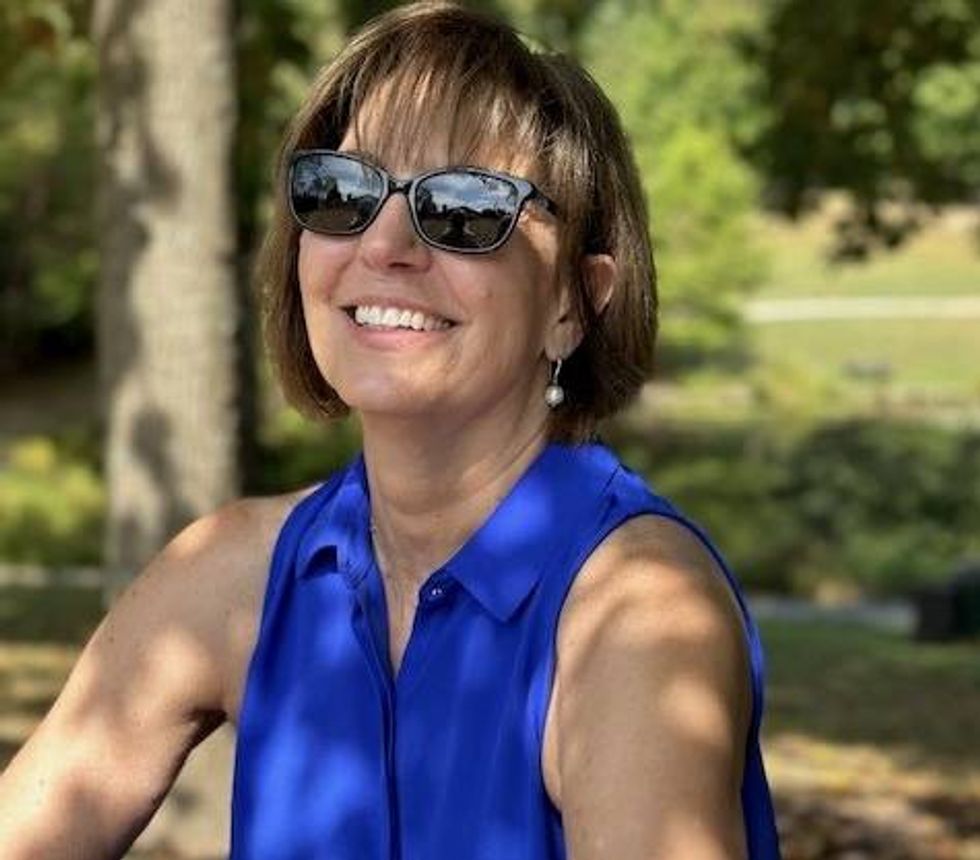
Paula Neale, 67, celebrates feeling better post menopause
Paula Neale


