


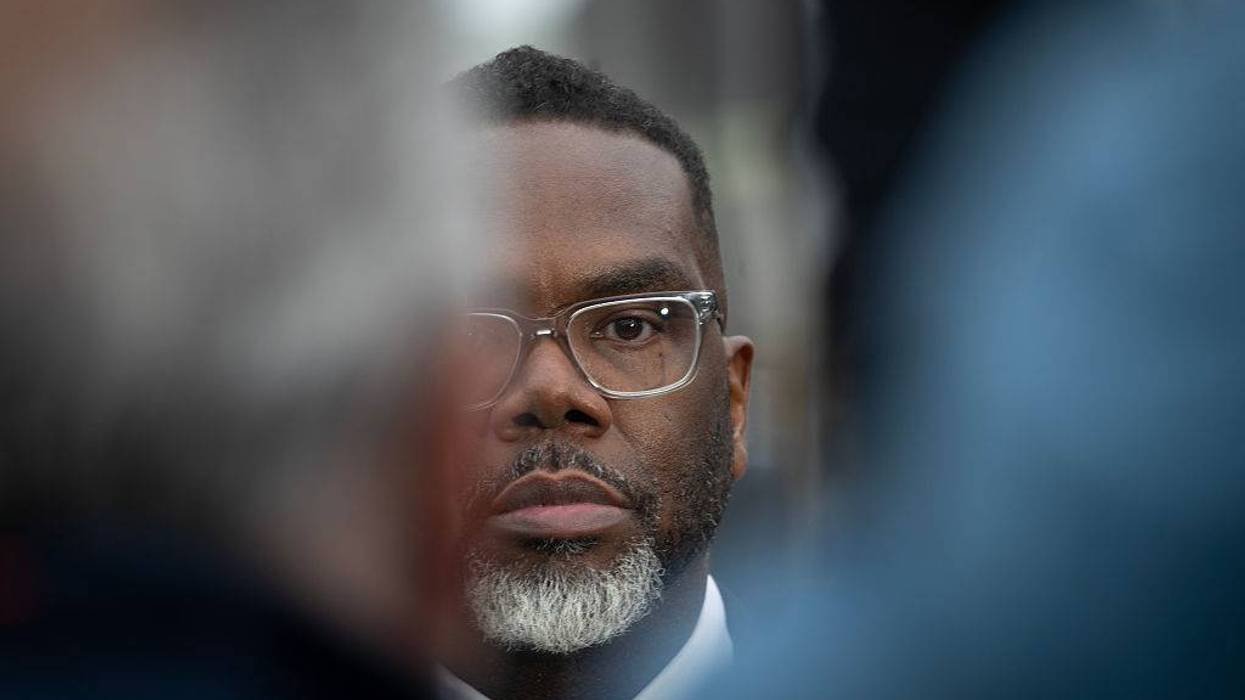

The city of Chicago last year came within fewer than two weeks of being forced to shut down because of a lack of an approved budget. Mayor Brandon Johnson and his supporters on City Council spent weeks arguing with more moderate aldermen about provisions in the mayor's spending plan, notably a $33-per-worker "head tax" to be levied on Chicago's biggest employers.
Eventually, a majority of City Council members approved an "alternate" spending plan that replaced that head tax - and its projected $80 million+ in revenue - with a series of novel and largely untested initiatives. The mayor held a campaign-style event outside his office two days before Christmas heralding the passage of a budget, but told reporters he would not sign it over his opposition to those initiatives, including selling off unpaid parking-ticket debt. The fact is, a mayoral veto would have triggered what would likely have been a successful override vote, or a city shutdown on January 1.
And while we're nine months into 2026, the argument over that budget is still going on ... most recently on Thursday, when Mayor Johnson's team took the wraps off a budget forecast for 2027. The Administration says it's expecting to find a way to fill a smaller-than-expected shortfall of $882 million, and the mayor and his people have made it clear why they believe that is.
"My administration's approach is working," the mayor said in a release that accompanied the 2027 budget forecast his office dropped this week. "Through our responsible stewardship of public resources and our use of proven, structural progressive revenues, we are addressing the City's long-term financial health." The same release quotes Comptroller Michael Belsky as describing some of the "alternate" budget's initiatives as "one-time fixes and speculation."
Back on August 25, the mayor went further and suggested the budget approved at the end of last year represented a "dereliction of duty" by the leaders of what now calls itself the "Budget Accountability Coalition."
You will not be surprised to learn that the coalition did not stay silent about the mayor's budget forecast, issuing its own press release that once again blames the Johnson Administration for the failure of their initiatives: "They slow-walked multiple ... revenue measures that could've generated hundreds of millions towards reducing our structural deficit, then pointed fingers at everyone else for not getting the job done."
The coalition also says the Mayor's budget forecast takes credit for programs aldermen forced into the spending plan, including an advance payment toward the city's pension debt. "This administration abandoned Chicagoans on the most basic responsibility of governing: executing the budget," their statement said.
And this is before anyone sees the mayor's proposed 2027 budget, and it's a week before he's expected to launch his re-election campaign. Could another rancorous budget battle hurt him at the polls?
"I think it can hurt him with potential voters," retired WBBM Newsradio political editor Craig Dellimore told me this week, suggesting that Chicagoans want to see a mayor who will work with aldermen with whom they might disagree. "He's clashed with them for showing more independence than ever. Some people say it makes him look weak. But let's be honest: no one publicly wants a rubber-stamp City Council like in the old days, not even this mayor."
Dellimore says the mayor can turn what could be a fraught budget process into an asset if he shows more willingness to find common ground than he has in the past, while continuing to show his base that he's looking out for working-class voters.
"There are compromises to be made," Dellimore said. "There are accommodations to be made."
But with both sides already digging in, the chance of a long budget fight ... and a potential showdown countdown ... doesn't seem too far-fetched.


