


The Peace Center is preparing to open its newest music venues in downtown Greenville after years of construction.
Peace Center CEO Megan Riegel said this project was five years in the making from the active planning stages, with ideas circulating internally for much longer, but Greenville entertainment company’s newest music venues are finally completed.
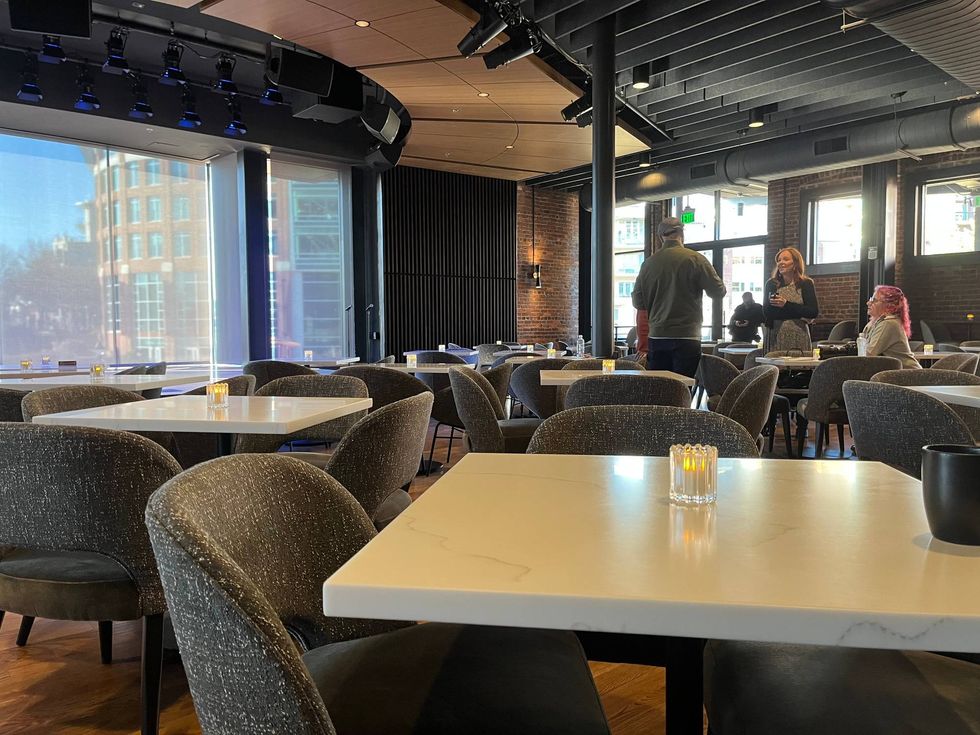 "The Mockingbird on Main Steet" venue spaceMatthew Causey
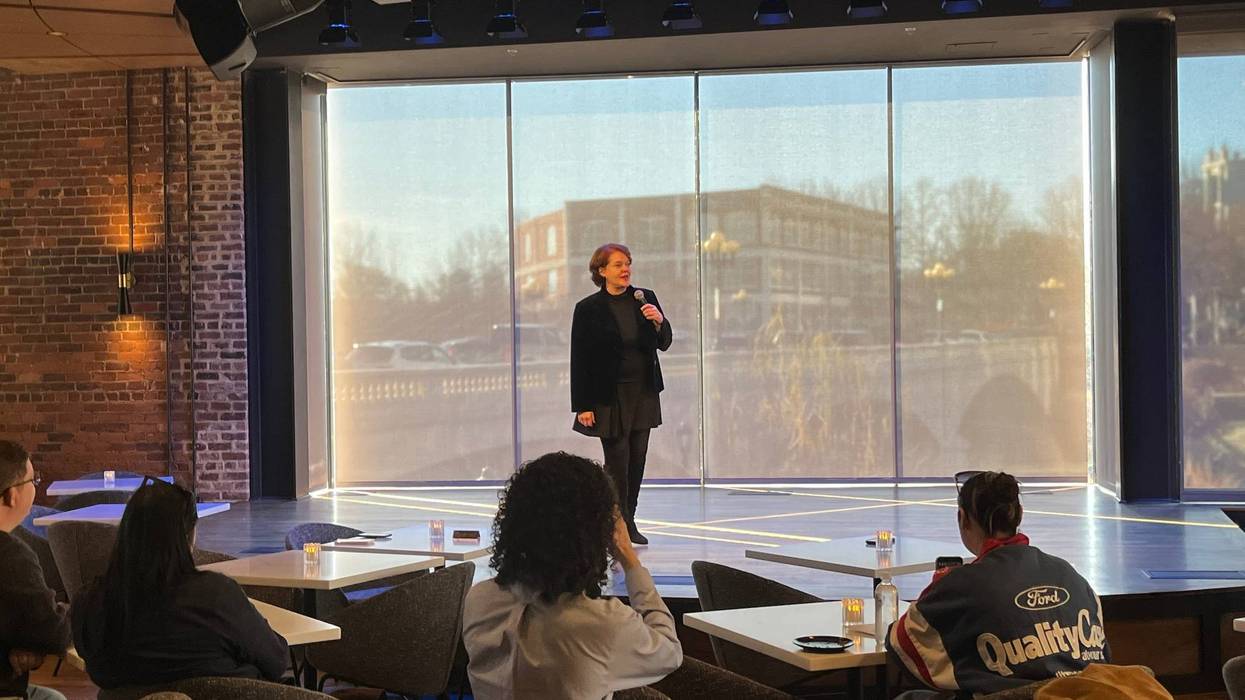
“This is a very intimate space. It’s About 180 seats. You can sit at the table and have a glass of wine or a cocktail, and you can have a bite to eat,” Riegel said in reference to “The Mockingbird on Main Street”. “You are up close and personal with the artist.
 Bar and lounge space within the new "The Mockingbird on Main Street" venue spaceMatthew Causey
The Mockingbird is one of the new live performance spaces Riegel said will give a unique experience compared to their traditional concert hall.
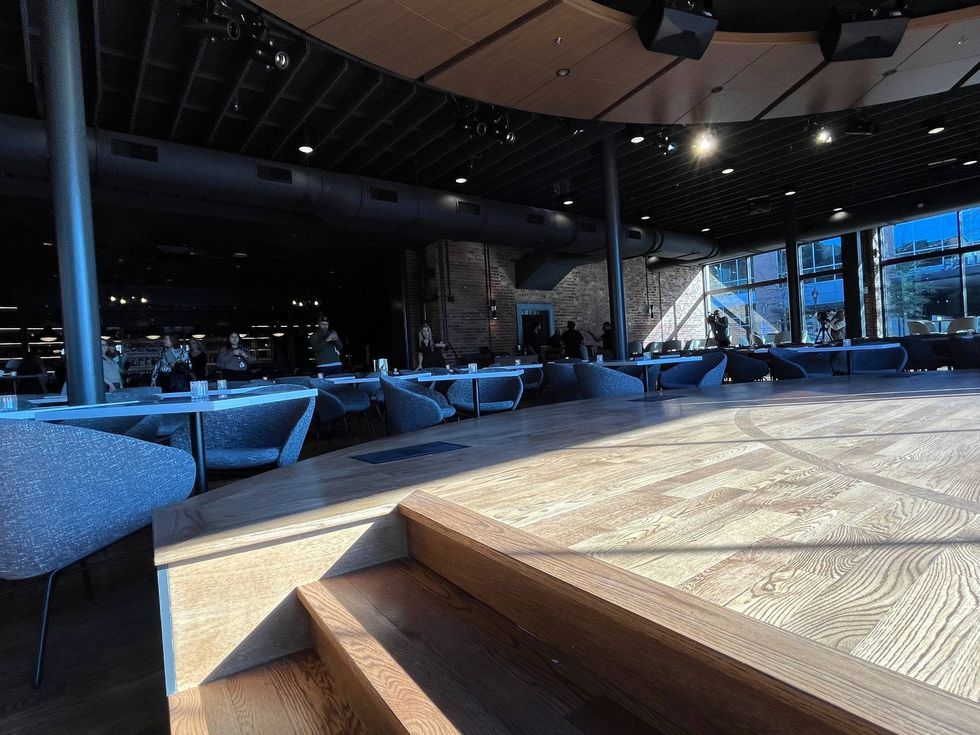 "The Mockingbird on Main Steet" venue spaceMatthew Causey
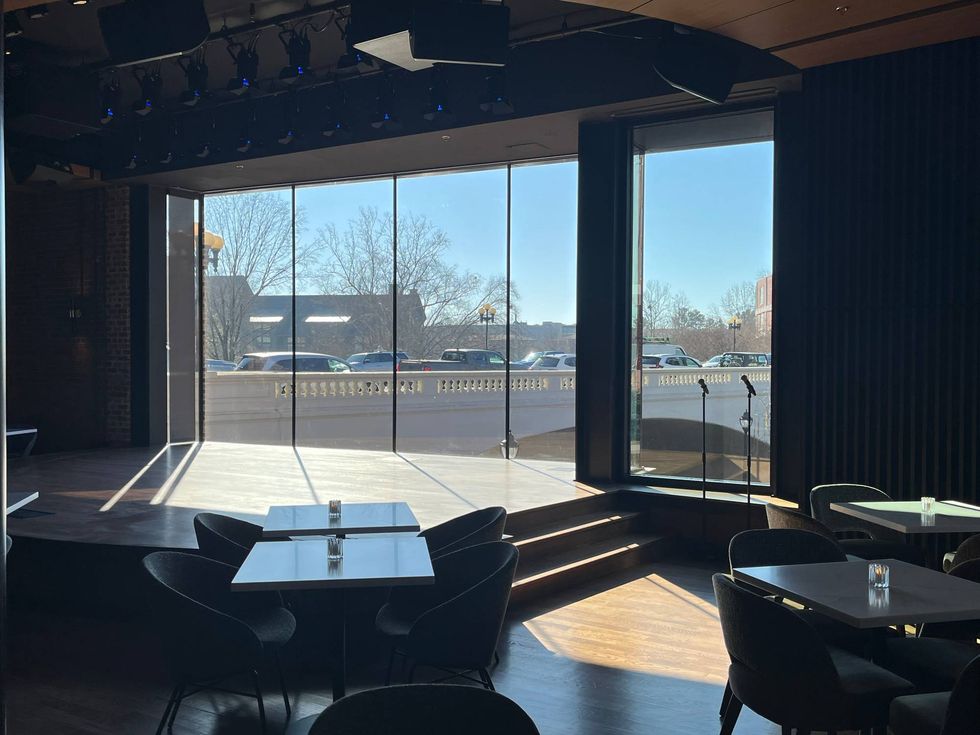 View out of the massive back window at the new "The Mockingbird on Main Street" venue spaceMatthew Causey
“There are so many artists out there. When you have a 2,100-seat hall, you’re only going to book certain artists in there,” Riegel said. “I’m particularly passionate about this venue. Whether it’s a comedian, a songwriter, an established musician, someone spoken word, it will work really well in this room.”
 Green room for performing artists at "The Mockingbird on Main Street"Matthew Causey
The other new showcased space is the Coach Music Factory, a club-like space where artists can more directly interact with the audience.
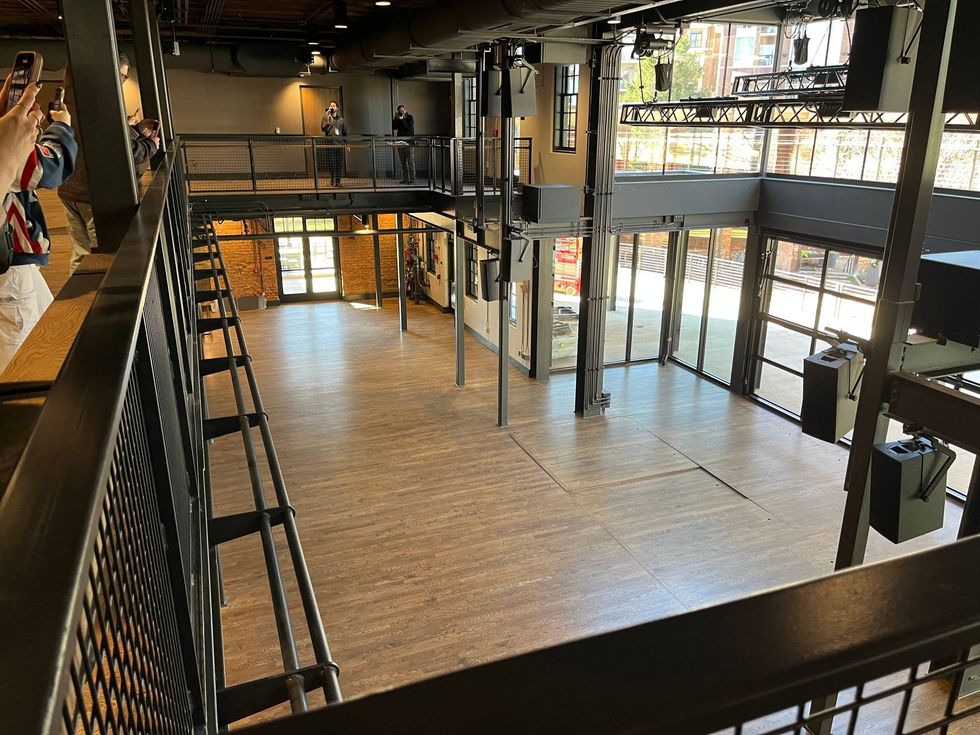 "The Coach Factory" new venue space second floor viewMatthew Causey
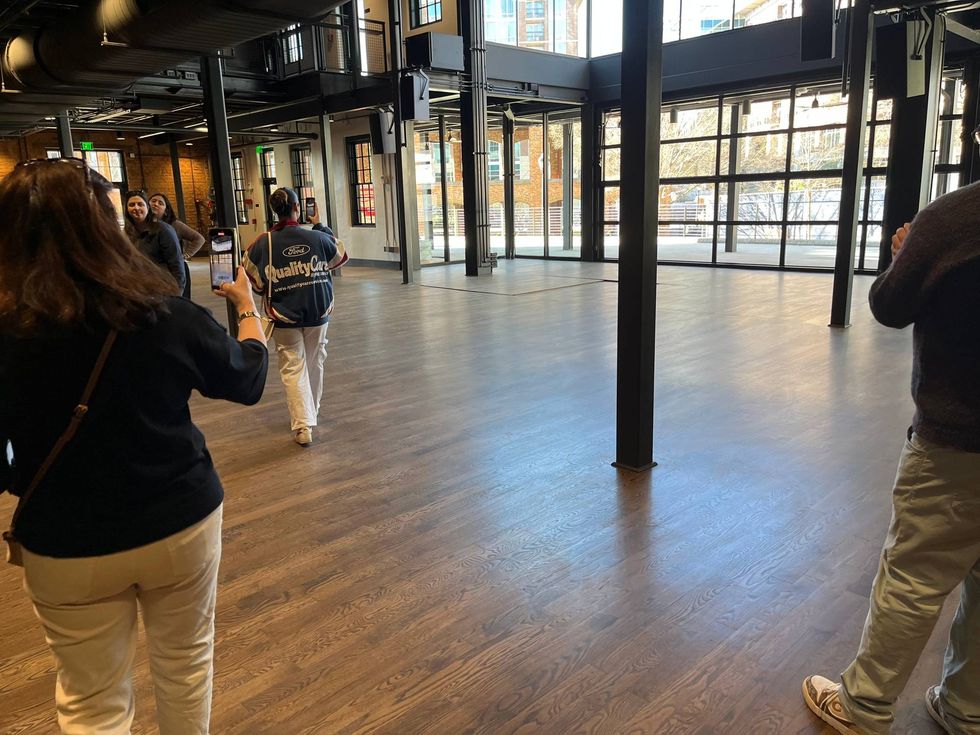 "The Coach Factory" new venue space first floor viewMatthew Causey
Above the Mockingbird is also living space for the artists the Peace Center brings in to stay at alongside educational spaces.
 One of the shared living spaces for resident and visiting artistsMatthew Causey
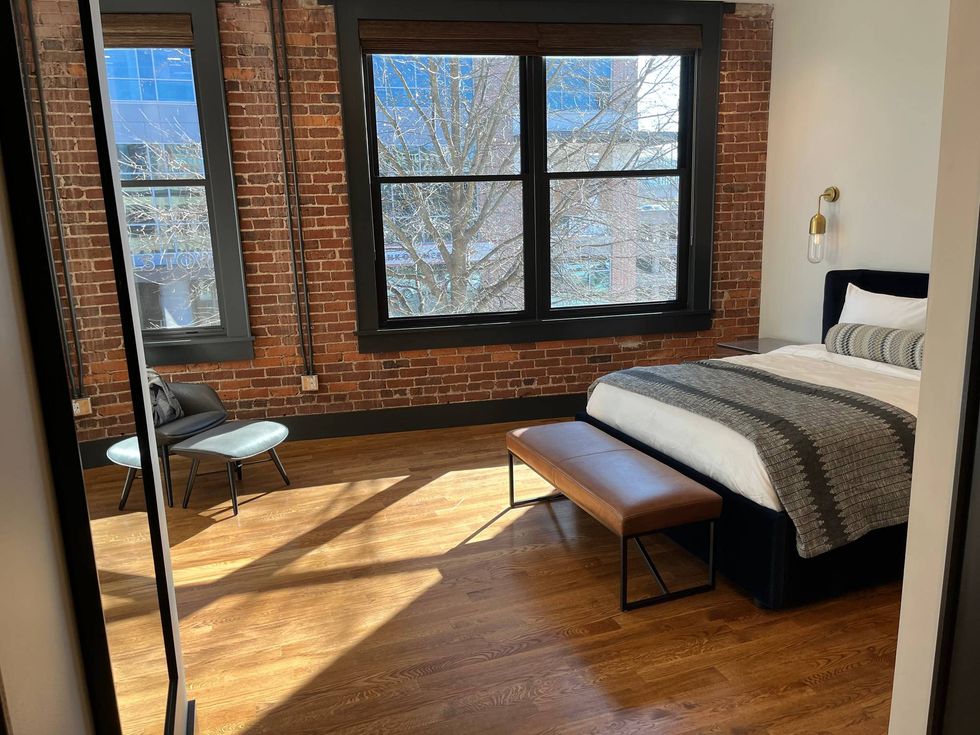 Private living space for resident and visiting artistsMatthew Causey
“A lot of what we’ll be doing more of is residencies, artist residencies where they’re here for a while, and it just gives them a chance to unpack, feel like they’re at home,” Riegel said. She continued on to discuss the new education center connected to that living space.
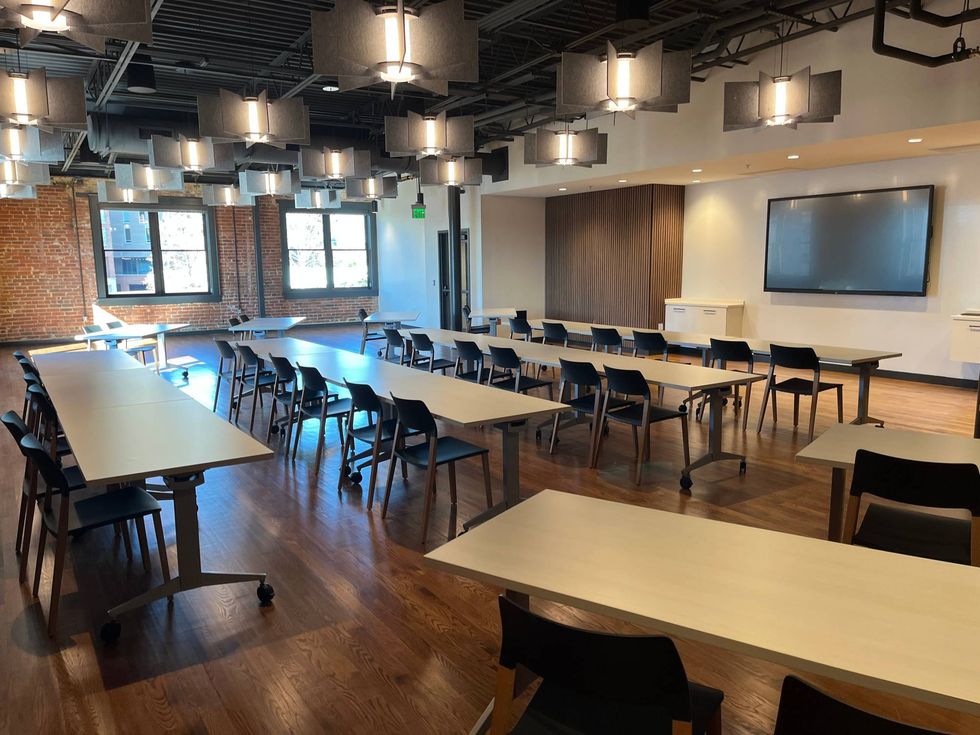 New multi-purpose educational spaceMatthew Causey
“The education center is huge. Our education program is part of our mission,” Riegel said. “It just gives us an opportunity to do more artist residencies, it gives us a chance to do more master classes, and we’re pretty excited that we don’t have to move them around from space to space depending on what production we have in our building.”
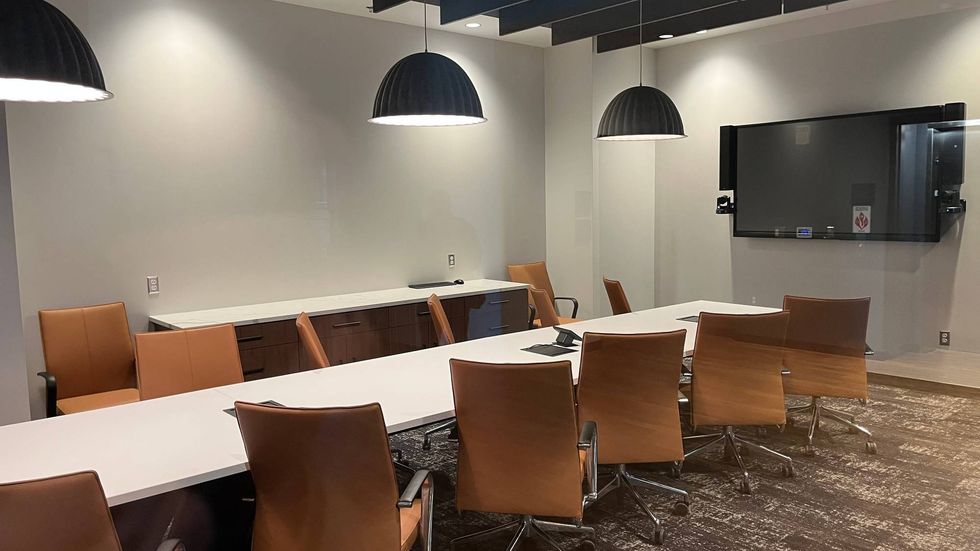 Conference space for visiting and resident artistsMatthew Causey
All three spaces are built within the historic Gullick and Markley buildings while maintaining much of the original brick and character they hold.
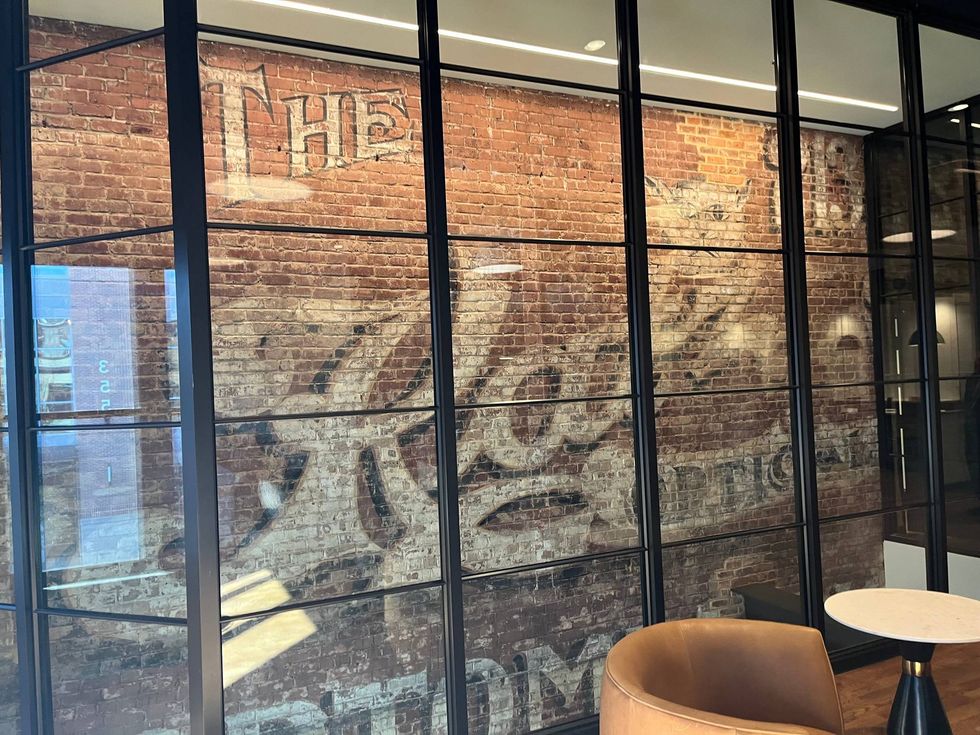 One of the preserved original brick walls of the historic Gullick and Markley buildingsMatthew Causey
“These projects were particularly difficult because, instead of tearing down old buildings, it’s really a combination of the old and the new,” Riegel said. “It’s one of the things that makes it really coo is the fact that, yes they built a concert hall, but they didn’t tear down the old mill that was adjacent to the concert hall. In fact, we used that space for all kinds of wonderful things.”