


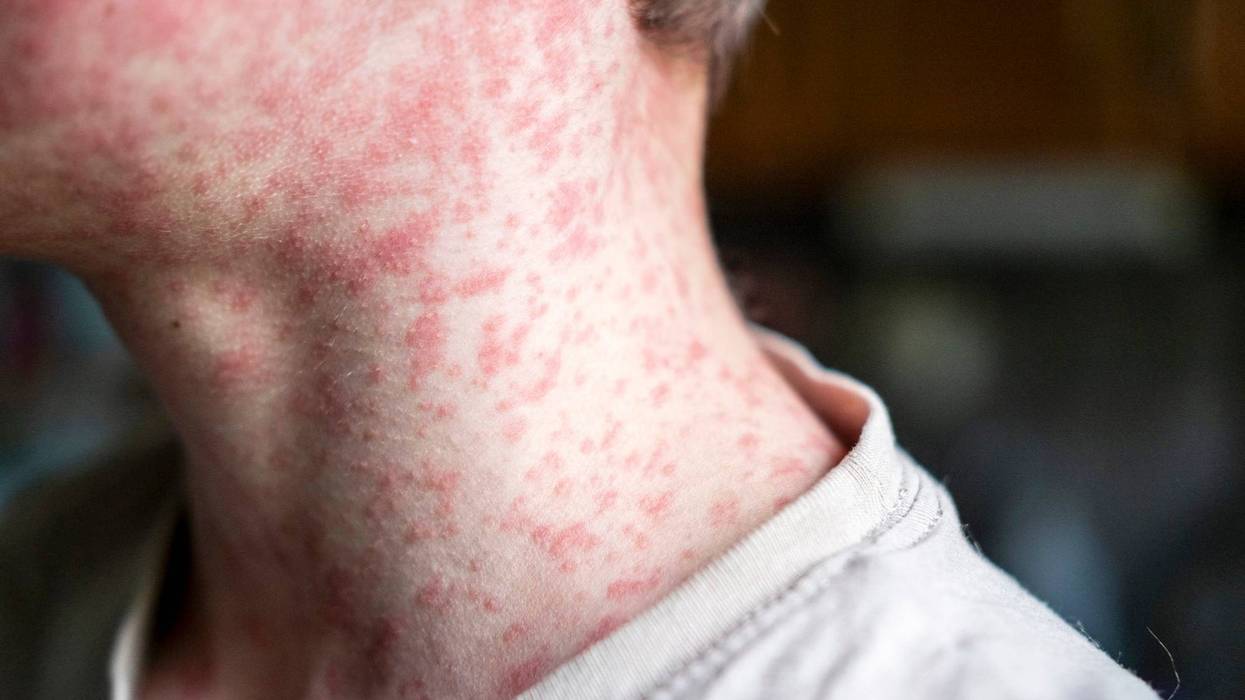

South Carolina's measles outbreak, the largest in the U.S. in decades, has reached 876 confirmed cases. However, there are signs of progress as the rate of new cases has slowed, with only 29 reported on Tuesday, February 3, 2026. Vaccination efforts seem to be working, with a significant increase in vaccinations in Spartanburg County and across the state.
As measles cases continue to rise in South Carolina, Prisma Health is taking steps to further protect the community from contracting the virus, especially for those who are unvaccinated. In a briefing Wednesday, February 4, 2026, Dr. LaCroix, a Pediatric Infectious Disease specialist with Prisma said masks are required inside ALL Prisma Health locations.
The hospital system is strongly encouraging measles vaccination, even for babies as young as 2 to 11 months. Dr. Burch, also a Pediatric Infectious Disease specialist with Prisma, says we all play a part in stopping this outbreak saying "the more individuals who are immunized against the measles in a community, the better chance we have irradicating the disease in the community."
For those who are unsure whether vaccination is the best option, Dr. Burch says it works, "MMR (measles, mumps and rubella) vaccination is safe, it is effective, it is probably the most effective vaccine that we make in the United States. Ummm, and so it is also the number one way to help protect yourself and your children from getting the measles."
As of Feb. 3rd the Department of Public Health is reporting 876 cases of measles centered around Spartanburg County.
Prisma Health press release below:
GREENVILLE, SC – Beginning tomorrow (Thursday, Feb. 5, 2026), Prisma Health will implement additional measures in its South Carolina hospitals to help protect patients in response to rising measles cases. According to the Centers for Disease Control and Prevention, South Carolina has the nation’s largest measles outbreak.
These steps are part of Prisma Health’s ongoing commitment to patient safety. The new measures include:
Mandatory masking for patients and visitors in emergency departments: all adult patients and visitors will be required to mask until evaluated. Parents will be asked to mask children age two and older. All individuals entering labor and delivery units, OB triage and other birthing-related areas will be required to wear a mask until evaluated as an added layer of protection for mothers and babies. Any patient or care partner with fever, rash or respiratory symptoms will be asked to continue wearing a mask. These measures are designed to reduce the risk of transmission and ensure a safe environment for patients, visitors and team members.
"Measles is more than just spots. It can have long-term impacts for both children and adults,” said Dr. Johnathon Elkes, Prisma Health emergency medicine physician. “It can be especially scary for the critically ill patients that we see in the ER or patients, such as those with cancer, who are unable to get the vaccine and protect themselves.”
Dr. Kendreia Dickens-Carr, OB-GYN, added, “Pregnant patients face higher risks from measles, which is why early prevention and knowing your immunity status are so important. Taking steps to avoid exposure helps protect both mother and baby.
The airborne virus is highly contagious for four days before its tell-tale rash begins, meaning someone can spread measles before they even know they’re infected. Because measles droplets can hang in the air for up to two hours, unprotected individuals are at extremely high risk of becoming infected.
According to SC DPH, South Carolina’s outbreak is still primarily centered in Spartanburg County, but additional areas of the state have reported cases or possible exposure.
At least nineteen people, including both adults and children, have required hospitalization for complications of the disease since the beginning of the outbreak, reported SC DPH.
Although the Midlands previously hadn’t had any exposures, SC DPH recently reported an active case of measles in the Midlands.
Dr. Anna-Kathryn Burch, Prisma Health pediatric infectious disease physician, stressed, “Anyone who hasn’t been vaccinated against measles should talk with their doctor about the importance of an MMR vaccine to protect themselves and others.”
Since younger children are at much higher risk for complications from measles, Prisma Health pediatricians are recommending parents consider early vaccination options for their infants and toddlers due to the outbreak:
Infants 6–11 Months: One dose of MMR is recommended before international travel or in outbreak areas. Accelerated Second Dose: The second dose can be administered earlier than 4 years old, provided it is at least 28 days after the first dose. Parents should consult their pediatrician to determine the best timing.Robin Lacroix, Prisma Health pediatric infectious disease physician, added, “Our pediatricians believe early vaccination against measles can help us protect more children and slow the growth of this outbreak.”